Dementia: Why early diagnosis and support matter
“Dementia affects everyone uniquely. What may work for one person will not necessarily work for another,”
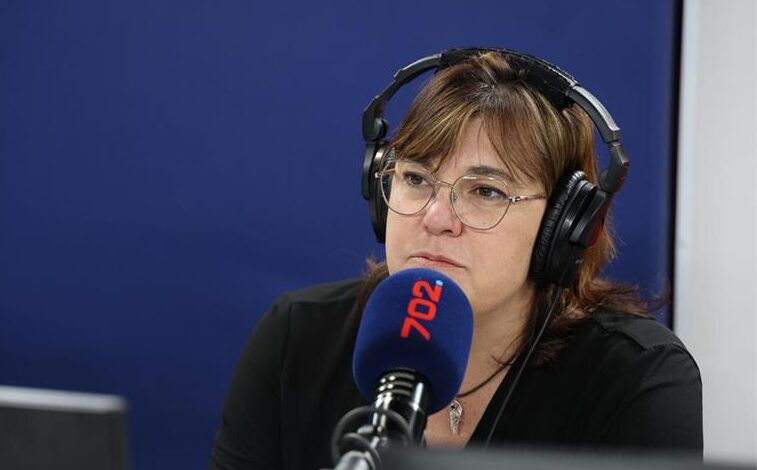
Forgetfulness is not always a sign of dementia, but when memory problems begin to interfere with everyday life, it is time to investigate.
Acting early can make a big difference in the future.
That is the advice of Debbie Beech, a trained social worker who has worked in the dementia field since 2017.
Beech, who previously served as regional manager for Alzheimer’s Gauteng, now manages Rand Aid Association’s Elphin Lodge retirement village.
“Dementia is not normal ageing,” she said.
ALSO READ: Edenvale talk to highlight early warning signs of dementia
“An early diagnosis is always recommended so that decisions can be made in advance while the person is still able to.”
These decisions can include future care requirements, putting financial affairs in order, and making memories while the person can still participate fully.
Most importantly, the person living with dementia should be involved in decisions about their future care for as long as they can make those decisions.
Beech advised people who suspect dementia in themselves or a loved one to educate themselves about the condition and build a strong support network involving medical professionals, family and friends.
“Dementia affects everyone uniquely. What may work for one person will not necessarily work for another,” she highlighted.
ALSO READ: Join Probus Bedfordview for an informative session on dementia
She also stressed that a diagnosis does not define a person.
Loved ones should remain involved in family and society and be supported to retain their independence safely for as long as possible.
Forgetting certain details of the day is a normal part of ageing.
The brain constantly filters information, and older people may also take longer to process information and respond.
Beech said one useful consideration is whether a person can remember what they initially forgot.
ALSO READ: Quondam Village hosts workshop on dementia
“If you walk into the kitchen and forget why, but remember when you retrace your steps, that is normal,” she explained.
Memory can also be affected by stress, medication, vitamin deficiencies, emotional well-being and poor sleep.
However, when forgetfulness starts affecting daily functioning, an underlying condition may need investigation.
Caring for someone with dementia can place a considerable emotional and physical burden on family members.
Beech said caregivers must prioritise their own well-being rather than putting their lives on hold.
“It is easy to have your entire life revolve around the person being cared for. This leads to burnout,” she said.
Regular breaks are essential. Another family member or a paid carer can provide cover, giving the caregiver genuine time for themselves.
Running errands or doing the shopping does not count as a break. Beech emphasised that caregivers need time to recharge.
Support groups can also help caregivers realise they are not alone.
As dementia progresses, spending quality time together remains important, even when communication and memory become more difficult.
Beech recommends keeping conversations calm, using short and simple sentences and speaking slowly as the brain processes information more slowly.
ALSO READ: Dementia – quality of life through activities
While a person’s memory may be impaired, their emotions are not.
“Do things that your loved one has always enjoyed, and that evoke positive emotions,” she said.
This could include listening to favourite music or cooking and baking together, under supervision where necessary.
Deciding when someone needs additional or full-time care is deeply personal and emotional.
Beech said one indication is when a person’s behaviour becomes more than the family can safely manage, particularly if they become aggressive, act out or are abusive.
This may indicate that a more structured environment is needed.
Caregiver burnout is another important warning sign.
“When the carer is burnt out, it is time to consider care alternatives, as the loved one is at risk of neglect and abuse,” she said.
Seeking additional care is not a failure.
It can be an important step towards protecting both the person living with dementia and the person caring for them.
ALSO READ: Therapy animals used in Dementia Programmes
There is no single way to prevent dementia, but Beech explained that reducing risk starts earlier in life with a healthy lifestyle.
“What is good for your heart is good for your head,” she said.
A healthy diet, regular exercise, sufficient sleep and reducing stress can all contribute to brain health.
Meaningful activities, social connections and keeping the brain active are also important.
Caring for someone living with dementia can feel challenging and isolating, but families do not have to face the journey alone.
Lorna Quinn’s support group for caregivers and family members meets on the second Saturday of every month at the Elphin Lodge clubhouse between 09:30 and 10:30.
The clubhouse is located at 222 Modderfontein Road.
Refreshments and an opportunity to connect informally follow the meeting.
For more information, contact Quinn on 082 456 5692.
Rand Aid provides specialised memory care at Ron Smith Care Centre and Thembalami Care Centre, supporting people living with dementia and their families.