Bedfordview seniors learn lifesaving stroke response at awareness workshop
An informative Stroke Awareness Workshop teaches Quondam Retirement Village about recognising stroke and the importance of acting fast.
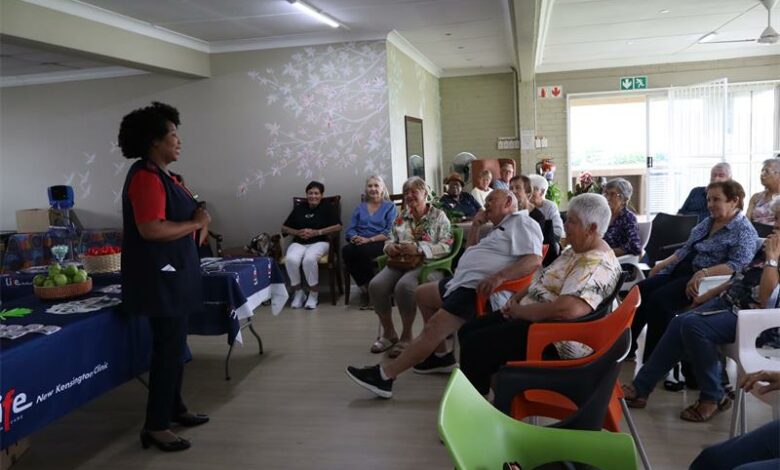
Acting fast during a stroke is very crucial; this is what the residents at the Quondam Retirement Village in Bedfordview were taught.
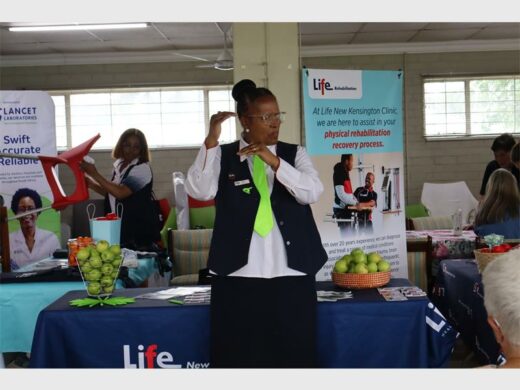
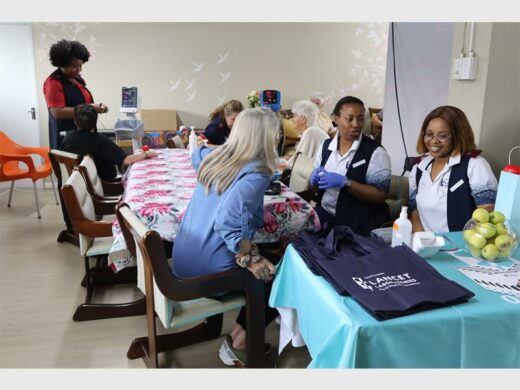
A stroke awareness workshop was conducted at the village on October 30 with presentations from the Life Bedford Gardens Hospital and the Kensington Rehabilitation Centre.
Casualty Unit manager at Bedford Gardens, sister Annah Mdhluli, said that a stroke is when blood flow to a portion of the brain is interrupted, causing the affected brain tissue to die.
ALSO READ: Health Department urges stronger collaboration to address mental health crisis
She said there is an ischaemic stroke, which is caused by a clot blocking a blood vessel and a haemorrhagic stroke, which is caused by blood leaking into brain tissue.
Mdhluli advised that to recognise stroke, one can do the FAST test, which is as follows:
Face – Smile or show your teeth. Does one side of your face droop?
Arm – Close your eyes and hold your arms out for 10 seconds. Does one arm drift down?
Speech – Repeat any sentence. Is speech slurred, wrong words used or unable to speak?
Time – Note the time and get to the nearest stroke unit as soon as possible. Every minute counts.
ALSO READ: Ekurhuleni health workers highlight HIV progress at SA AIDS Conference
Sister Mdhluli added that there is no age or gender; anyone can experience a stroke.
“However, if you have hypertension or cardiac problems but are not taking treatment, then you are at risk, so your chronic medication is vital.
“Do not take headaches lightly, whether constant or irregular. Do your exercises, even if it’s activities like walking and cleaning your house,” she said.
Rehabilitation admission consultant Thandi Nyalungu said they will do an assessment to identify the patient’s needs. She said they check if one needs intervention based on therapies, including speech, physical or neurology.
“The aim is to improve your quality of life and assist you in re-integrating into your family or community. But with patients who suffer from major stroke, with both sides affected, and the rehab process does not achieve the goal set, you find that we have to discharge them to a proper facility with a caregiver.”
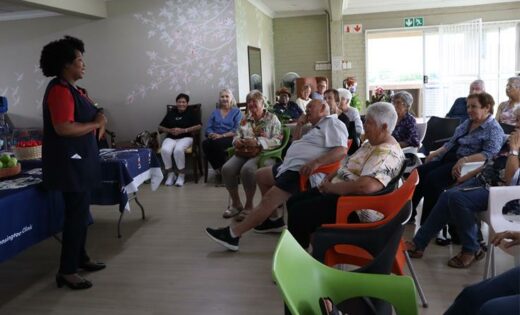
Occupational therapist Elmiza van Huyssteen said they look at ways to help you become as independent as possible.
ALSO READ: Gauteng Health calls on parents to sign measles vaccine consent forms
They check if you can feed yourself, brush your teeth, dress up, and more. Van Huyssteen said OT assesses arm and hand function because it is essential to working, and most often the arm is the most affected by a stroke.
“If the right side of the brain is affected by the stroke, the left side of the body also becomes affected, and if the left side of the brain is affected, the right side of the body gets affected,” the occupational therapist said.
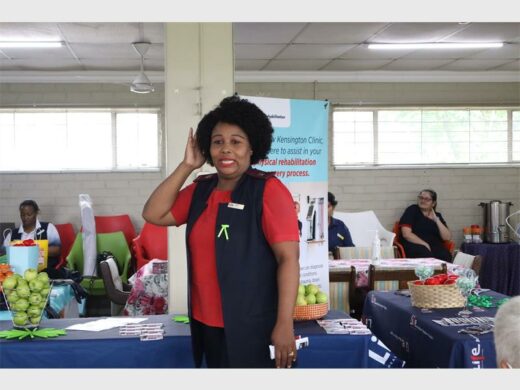
She added that there is a speech therapist who also helps with swallowing. They check the muscles from the lips all the way down to the throat and will recommend a soft diet if the muscles are not yet ready.
People may download the mySOS SA App in case of emergencies.