SAGA spells freedom for many
The South African Guide-Dogs Association (SAGA) is a non-profit organisation that was established to make life easier for blind people.
Founded by Gladys Evans in 1953, the organisation has grown over the years.
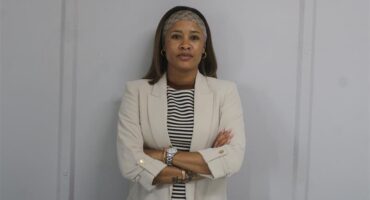
“The organisation has grown from training only five dogs annually in its first years, to training 55 to 60 dogs currently,” said Alson Maphosa.
SAGA provides guide dogs in South Africa and other African countries.
Over the years the organisation has been able to incorporate other important aspects that assist in making the lives of the blind better.
“We also incorporate the College of Orientation and Mobility, where students are trained on how to train people who are visually impaired in the skills of daily living and the use of a long white cane,” said Maphosa.
The organisation breeds, rears and trains the dogs for the purpose of assisting blind or partially sighted people.
There are various aspects that people with sight often take advantage of, that people who are visually impaired often struggle to do.
This can be something simple, like crossing the street or walking to the shop.
“At SAGA we train well bred dogs to guide of people who are visually impaired, making them both mobile and independent,” said Mphosa.
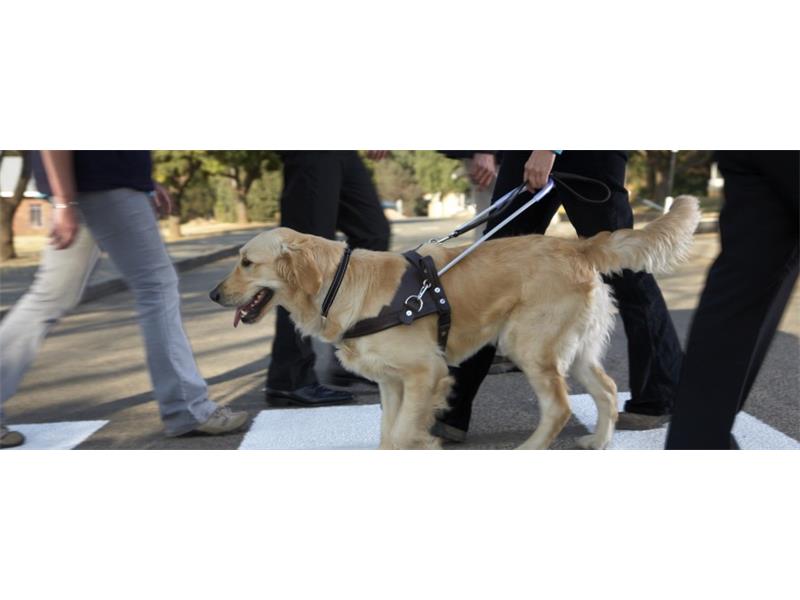
Guide dogs are trained to walk around obstacles, stop at kerbs: listen to traffic then cross the road, and respond to short commands, such as finding the stairs.
The organisation also provides service dogs that assist physically disabled individuals, and social dogs for children with developmental problems.
“Physically disabled persons are, by nature of their disability, restricted in their functional abilities,” said Maphosa.
“A person confined to a wheelchair may not be able to retrieve a mobile phone that was dropped or open a door, because of restricted mobility movement, and therefore are dependent on others for help.
“In order to improve the independence and dignity of the physically disabled, the association trains dogs so they can perform some of the functions.”
Like everybody, a blind person also wants the freedom to go to places they need to and, therefore, require both mobility and skills of daily living.
“Mobility can be achieved with the help of a long white cane which, with proper training, becomes an extension of the blind person’s sense of touch.
“The clients are assisted by the orientation and mobility instructor, who trains the client and provides assistance,” said Maphosa.