Residents rebuild their lives after fire
The family lost their beloved dog Njabulo, who went inside the house in an attempt to save the family from the blaze.
Losing all your belongings to a fire disaster is undeniably one of the toughest seasons one can go through. This experience also impacts the mental health of an individual directly or indirectly.
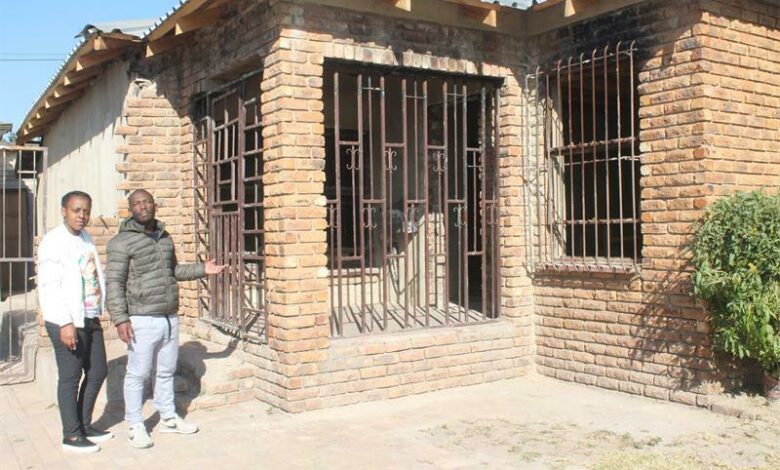
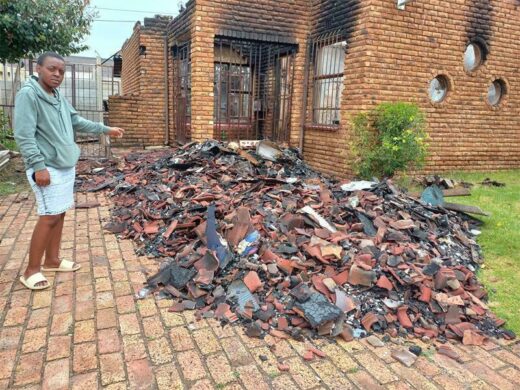
Last year January, the Dube family from Daveyton suffered a tragedy after a raging fire destroyed their five-room home, leaving them with nothing but the pyjamas that they were wearing.
Also Read: WATCH: Fire victims seek help after home destroyed
The family also lost their beloved dog Njabulo, who went inside the house in an attempt to save the family from the blaze.
A year after the incident, the family is still picking up the pieces and rebuilding their home.
Patience Dube (29), a mother of three, said the incident drastically changed their lives.
“We went from having everything to having nothing. Not knowing where you will sleep or where your next meal would come from, was devastating. In dealing with the trauma, counsellors at the Daveyton Customer Care Centre promised to assist us, however, they never pitched. We are still healing, taking each day as it comes.”
Dube said after their story was published in the Benoni City Times they received assistance from neighbours, friends, family and Good
Samaritans who saw their story in the newspaper.
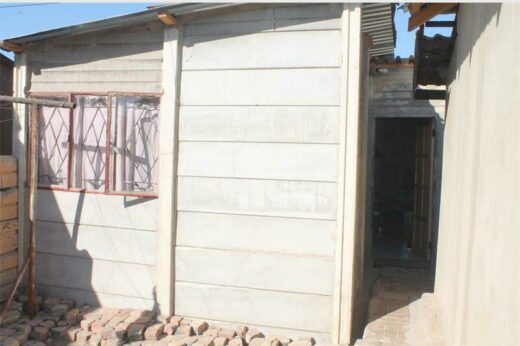
The family managed to build a temporary two-room home with the hope of still rebuilding the main house.
Her advice to fire victims: “Be strong and thank God that you and your family are still alive because that’s what matters. Whatever belongings you lost in the fire will be recovered.”
Anyone who would like to assist the family rebuild their five-room home may contact them on 061 700 4758.
Affinity Health shares first aid basics every adult should know.
Treat burns
Burns can be caused by exposure to heat, electricity, chemicals, or radiation and can vary in severity. First-degree burns are superficial burns and affect only the outer layer of the skin (epidermis).
Second-degree burns go beyond the outer layer of the skin and affect the underlying layer (dermis).
Third-degree burns penetrate the entire skin thickness, affecting underlying tissues, including muscles and bones.
Treatment of first-degree burns
Run cool water over the affected area for several minutes to soothe the skin and alleviate pain (don’t apply ice or butter).
Cover the burn with a sterile bandage or clean cloth if needed.
Use over-the-counter pain relievers such as ibuprofen or acetaminophen to assist with pain.
Treatment of second-degree burns
Immediately immerse the affected area in cool water or apply cool compresses to reduce pain and swelling.
Don’t break or ‘pop’ blisters that may have formed.
Dress the burn with a sterile, non-adhesive bandage or clean cloth.
Seek medical attention if the burn covers a large area or is located on sensitive areas such as the face or hands.
Treatment of third-degree burns
Never try to remove clothing stuck to the burn or apply any ointments or home remedies.
Cover the burn with a clean, dry cloth or sterile dressing if possible.
Call emergency services immediately, as third-degree burns require specialised medical care and may be life-threatening.
Also Read: Plot community band together to fight fires