
GBV awareness in focus after festive season cases in Daveyton
Police have so far arrested one suspect, a 30-year-old man who has been charged with kidnapping, extortion, and rape.
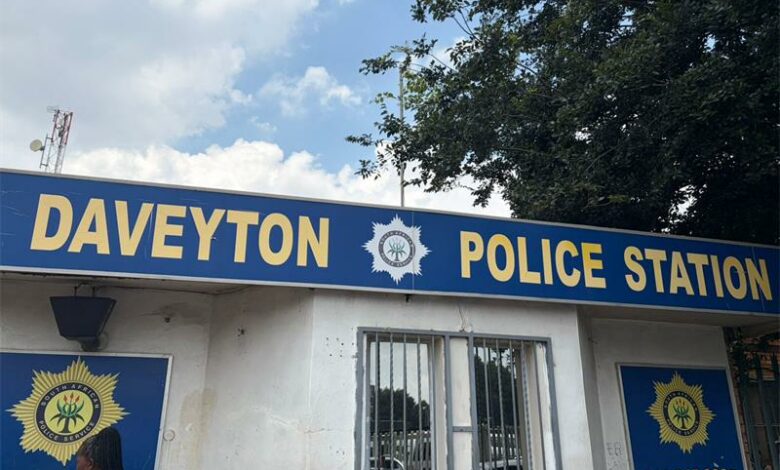
While many families gathered to celebrate and enjoy the festive season, others were fighting for survival behind closed doors as women and children continued to face the harsh reality of gender-based violence (GBV).
A nine-year-old girl from Daveyton was among hundreds of victims across the country who suffered abuse during December.
According to Daveyton SAPS spokesperson Constable Ntando Ngomane, police are investigating a rape case after an unknown man allegedly assaulted the young girl.
Ngomane said the child’s parents were at home when the mother noticed her daughter was missing.
“She checked at a neighbour’s house, but the child was not there. She then blew a whistle to alert community members about her disappearance,” said Ngomane.
While the residents and the mother were searching the area, the child returned. When asked where she had been, she told them that an unknown man had approached her, covered her mouth, and forced her into an empty shack where he raped her. The suspect allegedly threatened to kill her if she told her parents.
Ngomane said this was not an isolated case.
In addition to this case, the police recorded several other rape cases during the festive season, with victims ranging in age from five to 21 years old. In most cases, the suspects were unknown to the victims.
Police have so far arrested one suspect, a 30-year-old man, who has been charged with kidnapping, extortion and rape.
Ngomane urged community members to remain vigilant and shared safety tips for women and children. She advised women to avoid walking alone at night and not to accept lifts from strangers. Parents are encouraged to ensure children play in secure areas where a trusted adult can supervise them and to avoid leaving children home alone.
TEARS Foundation reaches out
Meanwhile, the TEARS Foundation revealed that it handled 5 000 requests for assistance related to GBV during December 2025.
The TEARS Foundation general manager of operations, Celeste Louw, said holiday periods are often accompanied by a noticeable increase in survivors reaching out for help.
“It is important to recognise that contacting a support service does not automatically translate into formal reporting. For complex and deeply personal reasons, many survivors choose not to lay charges or engage with law enforcement,” said Louw.
She said these reasons include fear of retaliation, concerns about personal safety, economic dependence, emotional ties, and a lack of trust in systems perceived as inconsistent or ineffective.
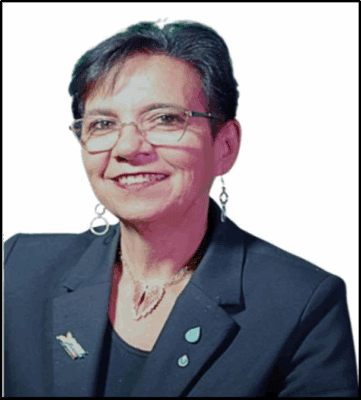
“What is clear, however, is that the severity and intensity of violence described in the cases reported to us has increased,” she said.
Louw added that holiday seasons can amplify risk factors.
“Extended time spent in close or confined spaces, disrupted routines, increased social gatherings, alcohol consumption and lowered vigilance can all contribute to heightened vulnerability. For many survivors, these periods limit opportunities to seek help discreetly, making access to remote and immediate support services especially critical.”
She said these patterns highlight the urgent need for survivor-centred, accessible and responsive support systems.
“It is devastating for us at TEARS Foundation to see survivors struggle alone when help is available, accessible and free,” she said.
What to do after a sexual assault
The TEARS Foundation urges survivors of rape or sexual assault to reach out for help as soon as possible.
Contact someone you trust:
The first person a survivor tells about the assault is known as the ‘first witness’. This person may need to make a statement to the police about the survivor’s condition and should, if possible, accompany them to a hospital or police station.
Reporting to the police:
While survivors may feel uncertain, reporting sexual assault can help bring perpetrators to justice and prevent further attacks. At the police station, survivors have the right to:
Make a statement in a private room.
Speak to a female officer (if available).
Give their statement in their own language.
Have a friend or family member present for support.
Survivors are also entitled to a copy of their statement. They should record the investigating officer’s name, case number, and the police station’s contact details to follow up on the case.
The TEARS Foundation provides free, confidential support nationwide. Their 24/7 toll-free helpline is 08000 83 277, and their USSD emergency line is 1347355#.
Also Read: Foundation recognises those who help others
Also Read: WATCH: Humanity Foundation hosts successful Cansa Shavathon