No solution to scholar bus transport crisis
Service providers under the Gauteng Small Bus Operators Council suspended operations on February 2.
Lungile Nkutha, a learner at James Nkosi Primary School in Duduza, is one of the many learners caught in the middle of Gauteng’s scholar bus transport crisis.
Each morning, he waits on New Road in Tsakane Ext 19 for a bus to take him to school – a routine now disrupted by the suspension of scholar transport services from operators across the province.
“I now have to walk to school. A journey that took me about 10 minutes now takes around 30 minutes. I worry about my safety because I have to pass through an open veld,” he said.
This crisis has affected learners in all five regions of the province.
The Gauteng Small Bus Operators Council (GASBOC) suspended services across the province on February 2 after three months of non-payment by the Gauteng Department of Education (GDE).
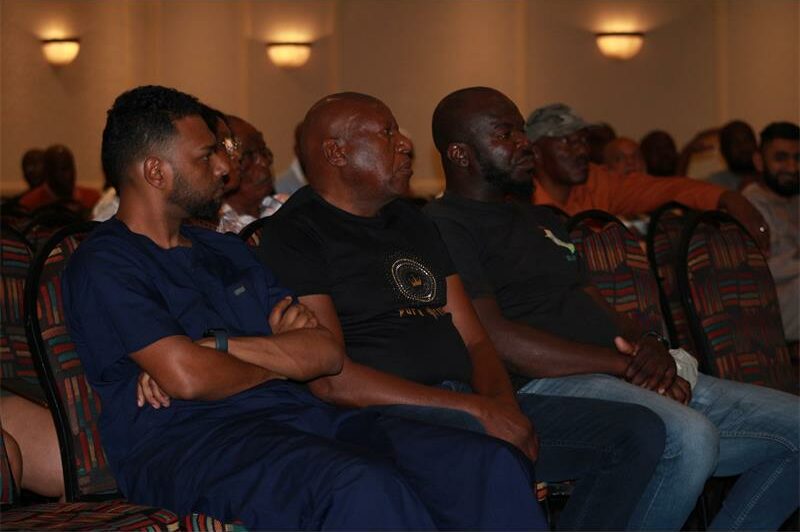
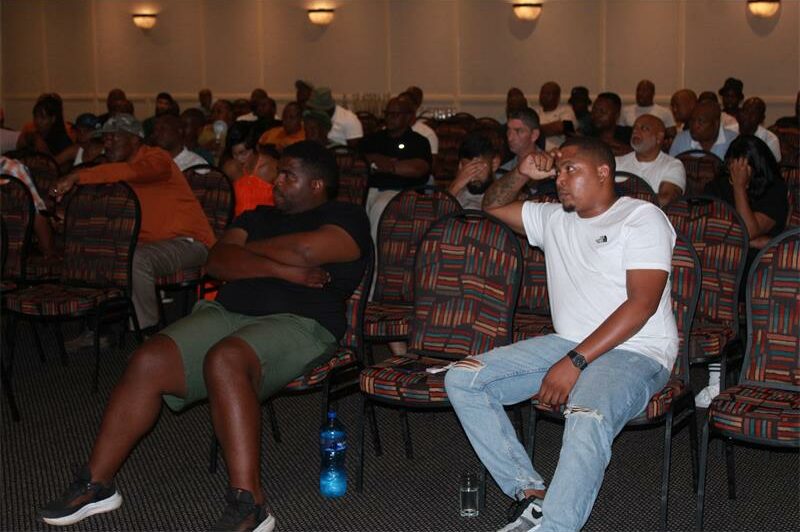
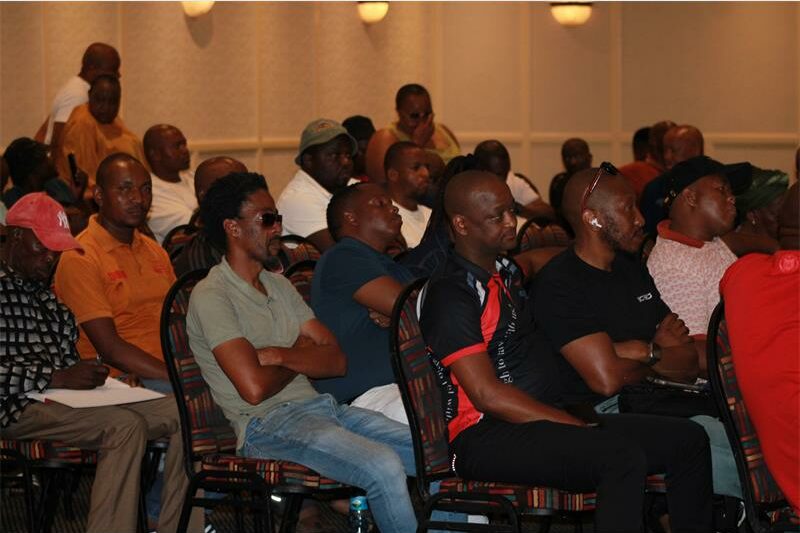
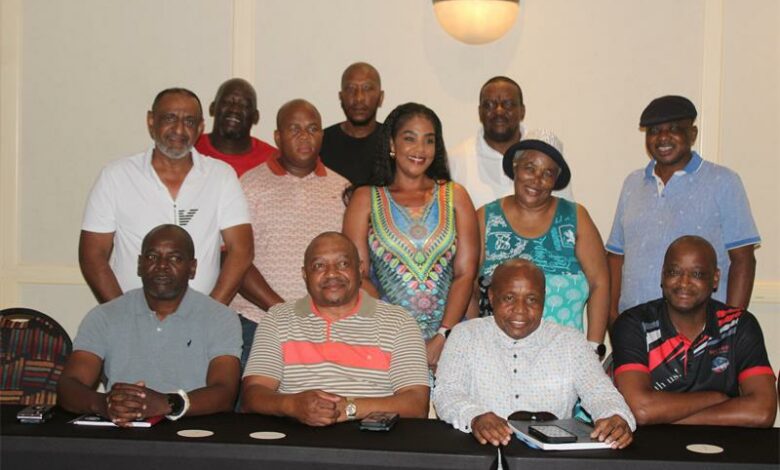
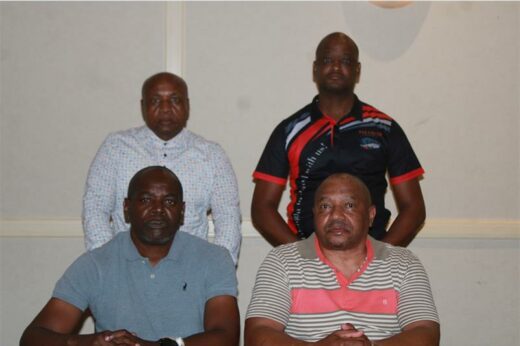
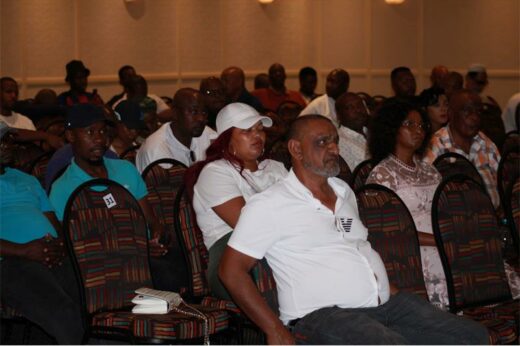
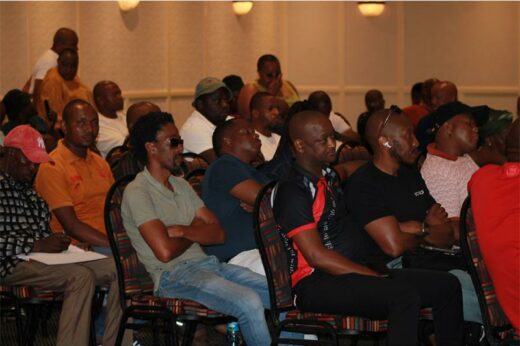
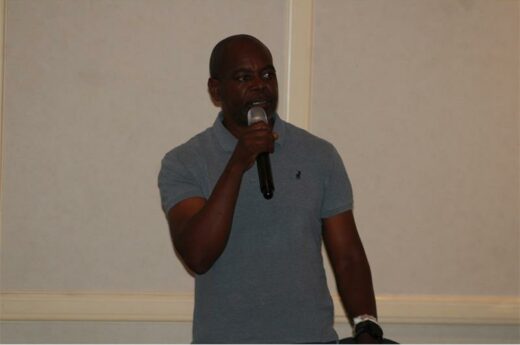
Following a briefing of its members at Carnival City on February 6 on the outcome of their engagement with GDE the previous day, GASBOC secretary Paul Zikhali told members of the media that the operators rejected the GDE’s offer to settle only the outstanding December payment.
Zikhali said the operators unanimously described the GDE offer as unreasonable, disrespectful, and unworkable, and failed to address the core issue of non-payment for services already rendered.
“This was not an emotional or reckless decision. Our members carefully assessed what was presented and found it impossible to implement without compromising operational viability and, ultimately, scholar safety.”
Zikhali reiterated that the suspension of services is not a strike, but a direct consequence of three months of non-payment from the GDE.
“The department pays scholar transport operators in Gauteng strictly according to the number of school days worked, under a pay-as-you-go model. If an operator transports learners for eight school days, payment is due only for those eight days.
“When payments are delayed for months, maintenance schedules collapse, fuel accounts are exhausted, and we cannot pay our staff. That reality directly affects safety, which is why this issue cannot be reduced to claims about operator discipline or compliance.”
Compliance
The secretary rejected suggestions that their vehicles were unroadworthy, saying the claim was misleading and a diversion that did not address the breach of contract by GDE.
“It is misleading to question the legality or roadworthiness of vehicles that have been certified by the government itself. No operator can legally transport scholars without first meeting these requirements, and our members comply because the safety of children is non-negotiable.”
Service providers, Mageba Ndaba and Yousuf Paruk, raised concerns that subsidies have not increased since 2018, despite rising fuel and operational costs, adding that payment delays had crippled the industry.
“Every month, the subsidy stays the same, but our costs keep rising. We continued operating because we care about the learners, but now we are in a tough position.
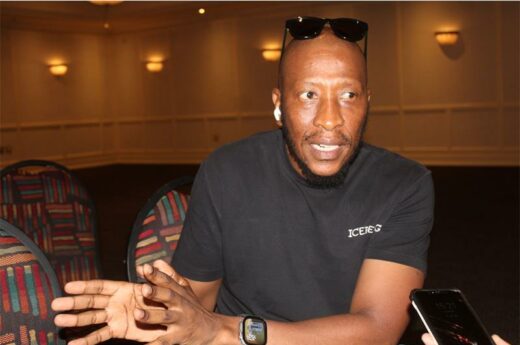
“The department expects us to keep working, yet they did not pay us for three months. Because drivers have gone unpaid, many of us experienced a black Christmas,” Ndaba said.
Paruk, owner of Toots Coaches in Boksburg, added, “We often go unpaid for three to four months and then receive only one month’s payment.” He confirmed that there had been no increase since 2018, while costs continued to rise.”
We are awaiting a comment from GDE.
Also Read: Education department condemns incident at Unity Secondary School
Also Read: Education MEC addresses learner suicides