
Illegal connections a shocking affair
“Immediate steps must be taken to better protect resident against illegal connections.”
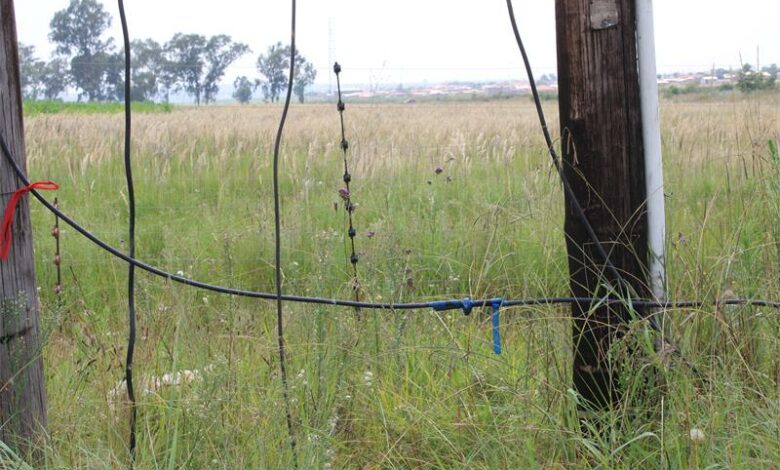
Everyday tasks such as washing up and taking a bath have become a dangerous practice for residents living on a plot in Smal Street, Putfontein.
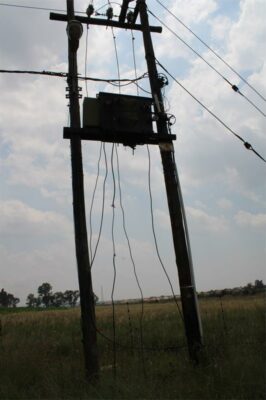
According to Ward 25 Clr Marinda Beukes, she has been inundated with reports from residents of the property, claiming that illegal electrical connections at a nearby overhead transformer, leading into Mayfield, have turned their home into an electrical disaster waiting to happen.
“The transformer outside our property has become the target of continuous illegal connections,” said the resident who wished to remain anonymous out of fear of victimisation.
“When the cables go up, we have to revert to using buckets to bathe due to the taps throughout the house becoming electrified.
“I am not sure how this happens, but routine tasks pertaining to water usage must be done with absolute care to prevent being shocked.”
Beukes continued by saying that the transformer has suffered countless failures and has on occasion exploded due to illegal connections.
“It has cost the City of Ekurhuleni (CoE) hundreds of thousands in repairs and disconnections, yet when you return in a week’s time, the illegal connections are back, and long cables can be seen running through the field and into the neighbouring community of Mayfield,” she said.
“This is not only putting municipal infrastructure in jeopardy but also poses serious risks to residents.”
With Beukes’s help, applications have been submitted to the City of Ekurhuleni requesting that the affected overhead transformer be moved onto the resident’s property to better safeguard the equipment; however, no feedback has been received.
“The property is surrounded by electrical fencing and is equipped with CCTV cameras. I believe the 100m move, from its current location, could deter would-be criminals and create a safe living space for the affected residents,” she said.
“No one should live like this because criminal activities are going unchecked.”
CoE spokesperson Zweli Dlamini said that moving the affected transformer onto a protected private property is viable, as such a relocation could significantly reduce illegal connections and cable theft by limiting physical access to network assets.
“However, this approach introduces considerations relating to servitude agreements, guaranteed 24/7 access for operations and maintenance teams, safety clearances and liability,” he said.
“While relocation offers short- to medium-term benefits, a long-term and more robust solution, subject to feasibility and cost-benefit analysis, may be to transition from overhead infrastructure to an underground network configuration.”
He continued by saying that site investigations and technical assessments have been conducted.
“The findings indicated that relocation does not adequately address long-term risks associated with illegal connections across the wider overhead network,” said Dlamini.
“The assessment concluded that converting the affected overhead network to an underground configuration would be the most effective and sustainable solution.”
He concluded that a detailed cost comparison must still be conducted based on historical repair interventions and the average cost of repairing transformer damage, compared with relocating the infrastructure or converting to underground networks, before a final decision can be made.
ALSO READ: City manager pulls the plug on non-payers
ALSO READ: City adopts a tough stance against power thieves