“I am still here”: Blesbokspruit wetland’s quiet fight for survival.
Pollution and pressure threaten the Blesbokspruit Wetland's survival.
“I am the wetland you walked past yesterday. I lie quietly between roads, near your homes and beyond your fences. When the rain falls too hard, I hold the water you cannot. When pollution seeps in, I try to clean what you leave behind. You see my water, my reeds, my stillness. But you also saw what has been left behind – plastic, waste and the marks of those who no longer see me.”
The Blesbokspruit Wetland, stretching through parts of the East Rand, including Daveyton, remains one of the region’s most important natural ecosystems.
But a recent visit by the Benoni City Times revealed a growing concern – litter scattered along its banks and human activity edging closer to its fragile space.
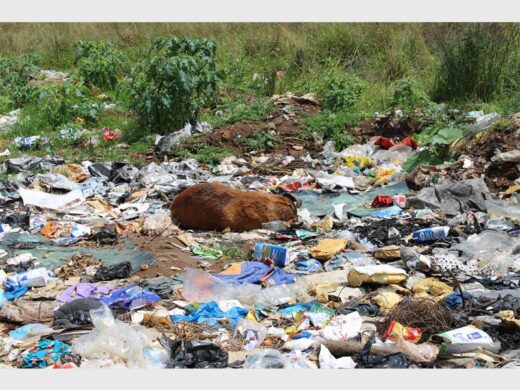
In some areas, informal structures and kraals have been established near the wetland, further straining an already vulnerable environment.
“I was not meant to carry this,” the wetland might say. “I was meant to carry life.”
Despite the visible damage, the wetland continues to support rich biodiversity.
Birdlife still glides across its waters, reeds provide shelter for smaller species, and the ecosystem quietly filters water and reduces flooding in surrounding communities.
Residents who have lived near the wetland for years say the change has been difficult to watch.
One local reflected that the area was once clean and full of life, adding that there is far too much illegal dumping now.
“I can’t believe we used to play here. People don’t realise how important it is until it’s gone,” said the resident, who wished to remain anonymous.
Efforts to restore and maintain the space are ongoing, but not without challenges.
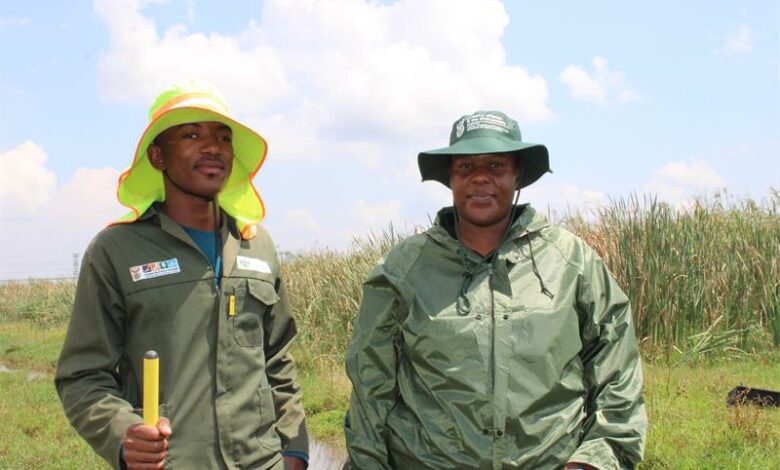
A member of a clean-up crew working in the area, Portia Ngcongwane, explained that the work often feels never-ending.
“We try to clean as much as we can, but every time we come back, there’s more waste. It feels like we’re fighting a losing battle.
“Access to clean water and a healthy environment is a fundamental human right. When wetlands are damaged, that right is compromised.”
The responsibility, however, does not lie with a few individuals alone.
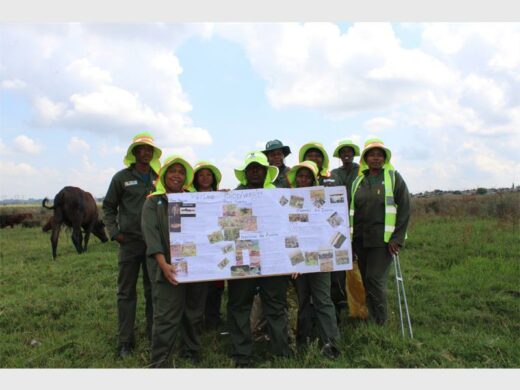
According to the chairman of Etwatwa Greening Team, Vusi Matladi, protecting the wetland requires a collective effort.
“This wetland doesn’t just belong to one group; it belongs to all of us,” he said.
“If we don’t protect it now, future generations won’t even know what was here.”
Wetlands like Blesbokspruit are more than open spaces; they are natural protectors.
It filters polluted water, reduces flooding, and creates a habitat for a wide range of plant and animal species.
Its role is closely tied to human well-being, as damage to these ecosystems can affect water quality, environmental health, and everyday life.
“When I am polluted, your water suffers. When I am destroyed, your protection disappears,” the wetland whispers.
In celebration of National Water Week, Wildtrust emphasises how National Water Week 2026 (from March 16 to 20) is a timely reminder not to take clean, running water for granted and that safeguarding our strategic water bodies means securing opportunity, resilience and equality for generations to come.
“I am still here,” the wetland says. “Still filtering, still protecting, still holding life together in ways you may never fully see.”
But for how long?
As pollution, dumping and nearby activity continue to place pressure on the ecosystem, the future of the Blesbokspruit wetland remains uncertain, waiting, perhaps, for people to finally listen.
ALSO READ:Etwatwa Greening team clean up wetland
ALSO READ:Organisations urge communities to protect wetlands