Organisations urge communities to protect wetlands
“We have to come together as a community and adopt a culture of keeping our environment clean."
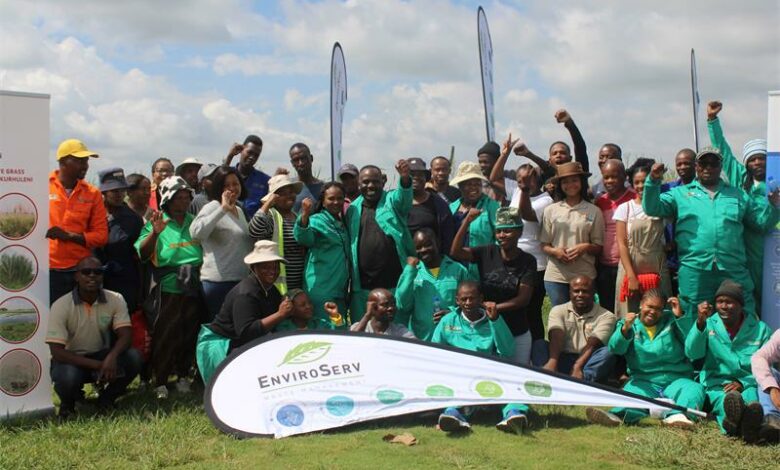
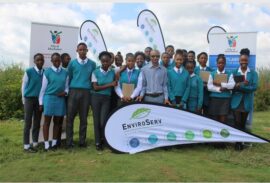
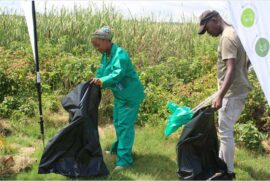
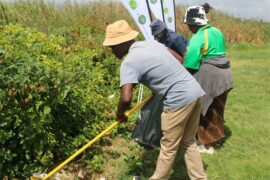
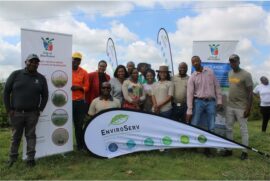
Several organisations and government departments joined the Etwatwa Greening Team to clean the Blesbokspruit wetland in Daveyton on World Wetlands Day, February 2.
Led by the Greening Team, Enviroserv, PETCO, City of Ekurhuleni, Gauteng Wetland Forum and the Gauteng Department of Agriculture and Rural Development urged communities and industries to stop dumping and discharging chemicals in wetlands.
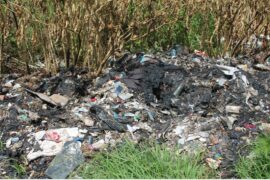
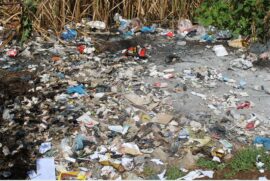
Populated by reeds and various bird species, the Blesbokspruit is an important resource that has, over the years, has been engulfed by illegal dumping.
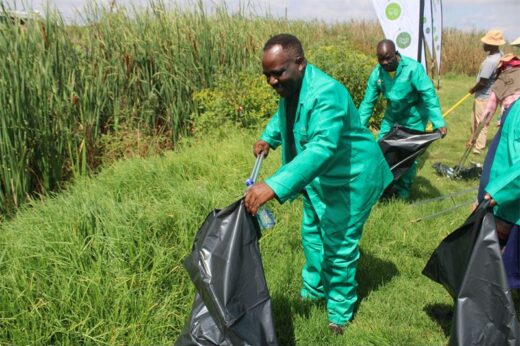
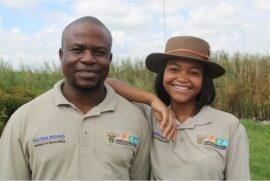
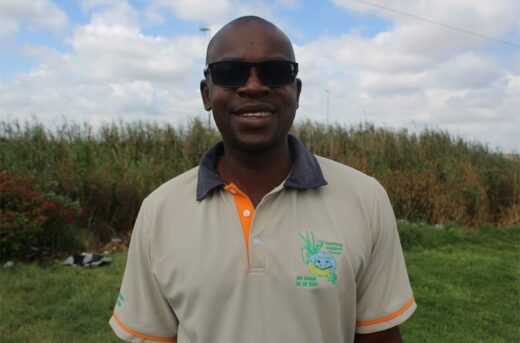
“We have to protect and take care of this wetland,” said Vusi Matladi from Etwatwa Greening Team.
Matladi and his team have led annual community drives to keep the Blesbokspruit clean and protect its biodiversity.
They are still facing challenges.
“Despite our efforts, people are still dumping. We can introduce educational programmes and other initiatives but what’s important is culture.
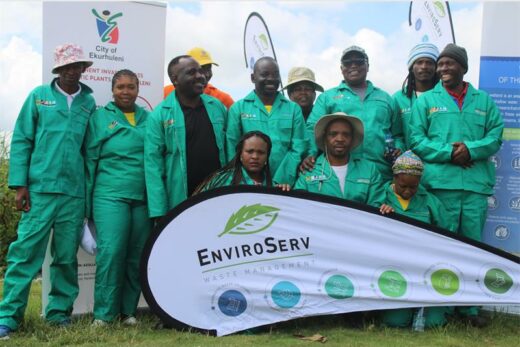
“We have to unite as a community and adopt a culture of keeping our environment clean. Areas like Northmead and Farrarmere are clean because of their culture,” Matladi said.
Alugumi Makushu, an environmental officer from the City of Ekurhuleni, said the city’s 206 wetlands are faced with widespread challenges of sedimentation, illegal dumping and discharging of chemical substances by industries.
“We think when we dump, we create employment. That’s not true. We are polluting the environment. We need a clean environment for our survival as human beings,” he said.
According to Makushu, wetlands are valuable because they reduce floods, are important water filters, control erosion and have medicinal purposes.
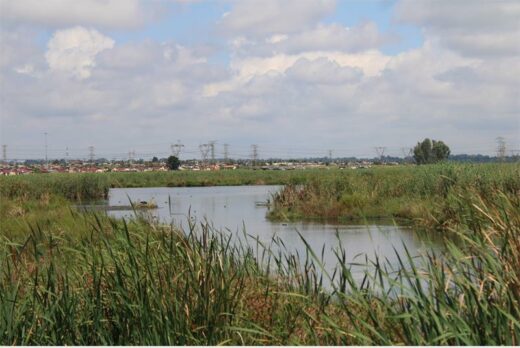
The largest wetland in the Highveld Region
Blesbokspruit is the largest wetland in the Highveld, with significant bird and ecological diversity. It starts in Daveyton north, runs south, then west past Springs, Nigel and Heidelberg before joining the Suikerbosrand River, a tributary of the Vaal River.
It covers 1 848 hectares and was declared a Ramsar Site to guard against pollution.
It was designated as an Important Bird Area in 1986. Some of the species in the wetland include the yellow-billed duck, phragmites reeds and giant bullfrogs.
Swimming/religious activities in wetland areas
Because of the recent heat wave and rains at the end of last year, people may be tempted to cool down in nearby wetlands or hold religious activities such as baptisms.
Makushu pleaded with communities to refrain from holding such activities in the wetland areas.
“No matter how hot it may be, don’t swim in a wetland. Sometimes you may be tempted to go for a swim because of the shallow water, but you can get stuck in the mud.
“I wouldn’t encourage faith-based organisations to use wetlands for baptism. Praying next to a wetland is acceptable but it is dangerous to enter.”
Also Read: Etwatwa Greening Team cleans up community
Also Read: Etwatwa Greening team clean up wetland