#BenoniBygones – Kleinfontein Hospital: Small beginning to grand end
The City Times is proud to revive a monthly history piece compiled by local history enthusiast Glynis Cox Millett-Clay, which she has named Benoni Bygones.
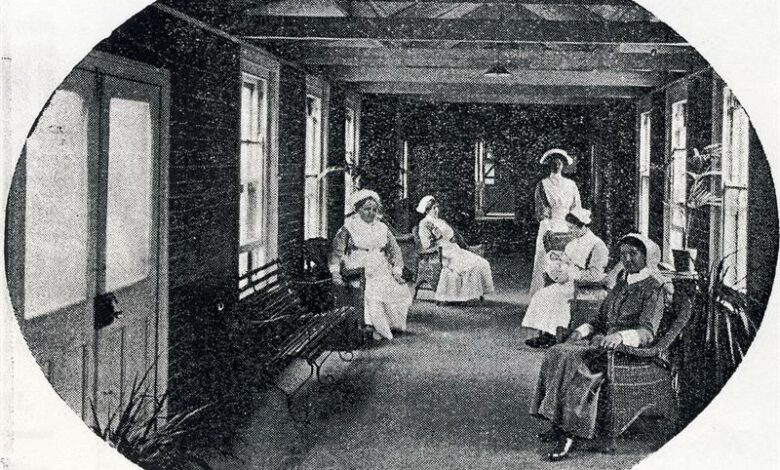
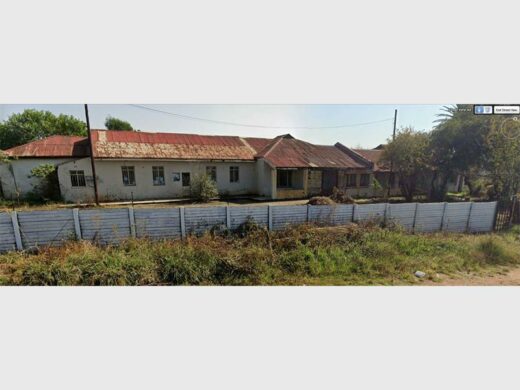
The derelict remains of Kleinfontein Hospital can still be seen on the outskirts of Benoni, in Rangeview Road.
The hospital was founded in September 1904 for the exclusive benefit of Kleinfontein and Van Ryn Deep mines’ European male mineworkers and officials, and at the time consisted of only one ward.
All the mineworkers were members of the Kleinfontein Group Medical Society, which owned and ran the hospital.
In 1905, the Kleinfontein Group handed over the affairs of the Medical Society to an elected committee.
With the finances the committee had, they extended the hospital, the first portion of which was ready to receive patients towards the end of 1906.
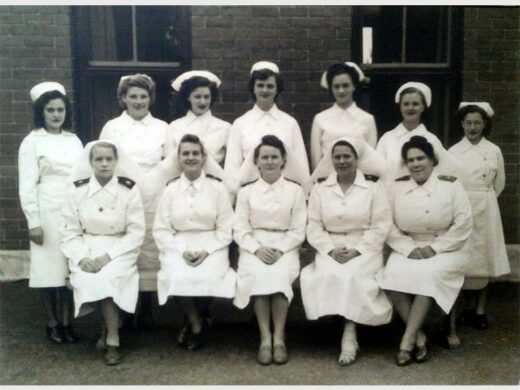
Some two years later, the advantages of the hospital were fully recognised and further additions were made.
The hospital had no resident medical officer, however, the staff comprised of a matron, seven probationer nurses and six sisters.
ALSO READ: BENONI BYGONES: The Bedford Hotel, established in 1918
In 1914, changes were made to the constitution and Mrs Dalrymple, wife of the chairman of the group of mines Colonel Dalrymple, opened a new ward for the treatment of women and children, which included a maternity section for the mineworker’s wives.
Nursing staff often found it necessary to set up extra beds in the wards to cope with the overflow of the other mines in the surrounding areas.
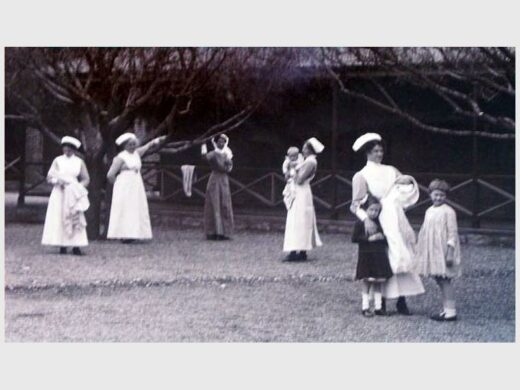
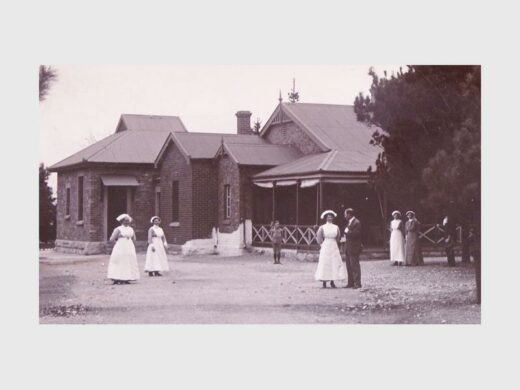
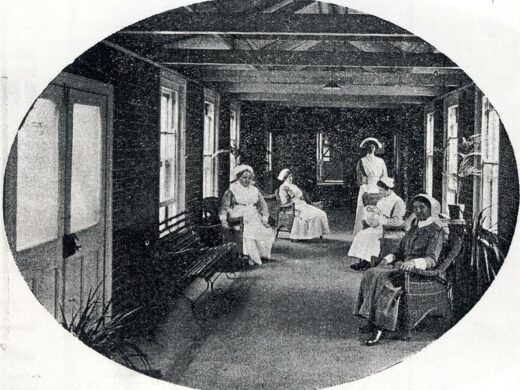
The Kleinfontein Hospital had the finest and most up-to-date equipment for sterilising instruments for operating theatres on the East Rand and many major operations were carried out here at any hour of the day.
The hospital was also prepared for any emergency with a special blood bank that was on call 24-hours a day and a ‘lighting plant’ in the event of any power failure.
Another feature of the hospital was the comfortable room for convalescents where patients who were able to walk could gather for socials, such as reading or quiet games.
A broad verandah ran right round the hospital so that there was plenty of room for the beds to be placed outside when climate conditions allowed.
The woman’s section was separated by the broad entrance hall.
A feature of the women’s surgical ward was the bell by each bed which a patient can instantly call a nurse when required.
In 1943, the Kleinfontein Provident Fund took over the administration of the hospital from the Kleinfontein Group Medical Society and ran the hospital under the auspices of the Mines Benefit Society.
Shortly afterwards, it was decided to make it an open hospital catering for members of the public too.
With the decline in the number of mines in the Benoni area, it was decided to give the hospital staff three months’ notice.
The future of the hospital buildings were uncertain and suggestions were made to convert them into an old age home or a chronic illness home.
As it stood on mining property, no decision could be taken until the mine authorities had consulted with the mining commissioner on the matter.
Sources: (Various articles written in BCT 1949, 1961, East Rand Express 1914, 1916. Typed by: Glynis Cox Millett-Clay September 2016/updated July 16, 2025).
ALSO READ: Benoni Bygones: The early beginnings of Kleinfontein Mine