Light at the end of a two-year TB struggle
Thokozani Ndebele is Tb free after a four-year struggle.
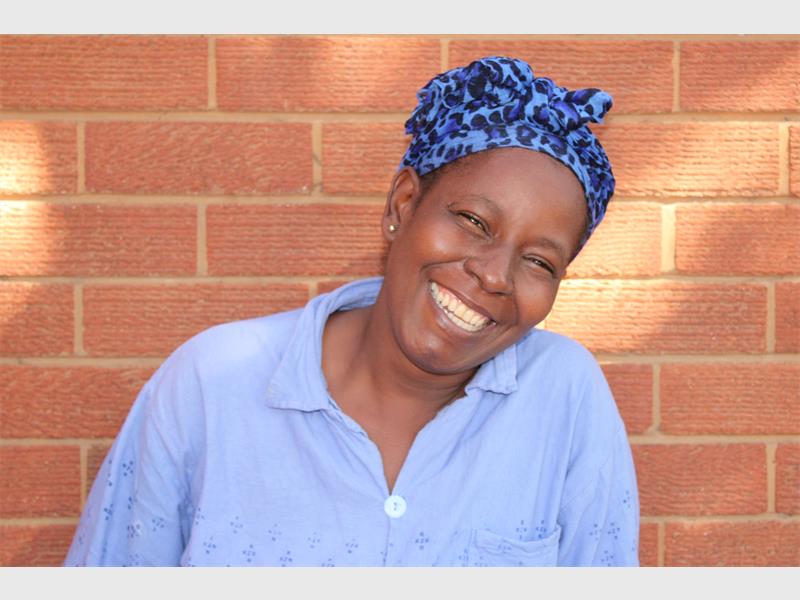
Tuberculosis (TB) causes thousands of deaths in South Africa and abroad each year. The month of March is dedicated to raising TB awareness, culminating on March 24 when World TB Day is observed across the globe. In a weekly series, the Berea Mail will publish articles to raise awareness about TB. This week we chat to TB survivor, Thokozani Ndebele who battled TB for four long years.
HER eyes light up as she talks about the people who supported her, offering a light at the end of a four year-long struggle with Multidrug resistant TB (MDRTB). Thokozani Ndebele (30) is at the end of a long, hard road to recovery after completing the peer-accompaniment programme at Advance Access and Delivery (AA&D). She will be discharged from King DiniZulu Hospital this week with a clean bill of health. This was her seventh trip to the hospital after defaulting multiple times from TB treatment.
Completing MDRTB treatment proved to be a huge challenge for Ndebele as she grappled with addiction and substance use. Hailing from KwaMashu, Ndebele found herself living on the Durban streets at just 18-years-old after she left home. She was still living on the Durban streets when she was diagnosed with MDRTB in 2019.
“I needed a family but my family wasn’t there for me. I was abandoned and alone,” she said.
ALSO READ: TB awareness month: Overport Clinic tackles taboos
When she defaulted from her treatment, Ndebele was surprised to find that peers would pursue her. Her eyes well up as she expresses her gratitude, saying, “They would look for me, all over town, like a mother looks for her missing child, like a family. They found me every time and brought me medication and food,” she said.
Ndebele said the programme saved her life.
“Most people fighting MDR don’t make it, especially if you don’t have support. To be honest, I wouldn’t have made it without their support. If they weren’t there for me, I might be dead,” she said.
When Ndebele was diagnosed with TB, she had been battling addiction for several years.
“I went to King Edward Hospital. They gave me a letter and told me to go to my nearest clinic. I went to the Denis Hurley Centre and they brought me right away to King DiniZulu Hospital. At the time I was addicted to drugs and I couldn’t cope with being in hospital. I was using Whoonga. It affected me badly – I couldn’t breathe well and I didn’t have an appetite,” she said.
Ndebele turned to drugs as an 18-year-old navigating emotional distress.
“I had problems at home. I came to Durban to get away. I would take drugs when I felt lonely or angry or when I thought about what happened to me in my life. If I took Whoonga, I would feel much better, I would forget all about my problems,” she said.
After her diagnosis in 2019, Ndebele refused treatment and returned to the streets.
“The addiction caused me to leave. At the time I wasn’t thinking about my health. Three weeks later I was back in hospital,” she said.
ALSO READ: TB awareness month: Treating homeless patients
As she struggled to fight MDRTB, she faced a host of symptoms.
“I had a fever, my stomach was running, I couldn’t breathe,” she said.
Turning point
Ndebele reached a turning point when she committed to her treatment with the support of the peer-accompaniment programme.
“I told myself, ‘it’s enough.’ I was struggling but with the support of the team, it overcame the struggle. Even though there were ups and downs,” she said.
As her discharge date draws near, Ndebele is planning a brighter future for herself.
“I am so excited. I want to go home. I miss my family, especially my daughter, Slindile. I haven’t seen her since I left home,” she said.
She hopes to join the AA&D peer accompaniment programme as a volunteer and share her story to inspire others.
* Notice: Coronavirus reporting at Caxton Local Media aims to combat fake news
Dear reader, As your local news provider, we have the duty of keeping you factually informed on Covid-19 developments. As you may have noticed, mis- and disinformation (also known as “fake news”) is circulating online. Caxton Local Media is determined to filter through the masses of information doing the rounds and to separate truth from untruth in order to keep you adequately informed. Local newsrooms follow a strict pre-publication fact-checking protocol. A national task team has been established to assist in bringing you credible news reports on Covid-19. Readers with any comments or queries may contact National Group Editor Irma Green (irma@caxton.co.za) or Legal Adviser Helene Eloff (helene@caxton.co.za).
 Do you want to receive alerts regarding this and other Highway community news via Telegram? Send us a Telegram message (not an SMS) with your name and surname (ONLY) to 060 532 5409. You can also join the conversation on Facebook, Twitter and Instagram. PLEASE NOTE: If you have signed up for our news alerts you need to save the Telegram number as a contact to your phone, otherwise you will not receive our alerts. Here’s where you can download Telegram on Android or Apple.