
Cottage schooling system a popular choice
Alternative options of learning seem to be gaining an upward momentum, as parents and child-minders explore new paths outside of traditional schooling. Cottage schools seem to be one system of learning and teaching that is thriving.
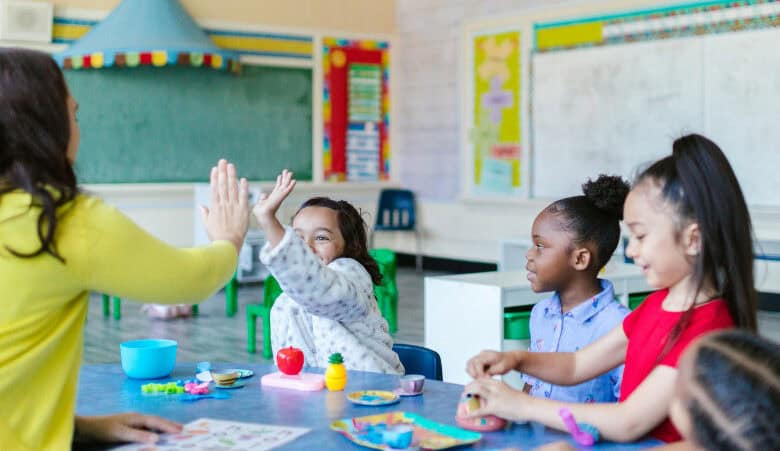
INDEPENDENT schools, including cottage schools, have the right to exist, according to the Constitution. This right has allowed numerous parents to explore this popular system and in recent years learners of all grades have found a stable footing in academics without being part of the traditional schooling society.
By definition, a cottage school is regarded as a small school, sometimes at someone’s home. It may make use of home-schooling curriculum materials, as a result of which they often are labelled as “homeschools”, which they are not.
One organisation is at the forefront of protecting the rights of such methods of learning and teaching. The Pestalozzi Trust supports registered and unregistered member schools to protect their learners’ right to education and to resist intrusions by the State. If cottage schools that are members of the Pestalozzi Trust are challenged by government officials, the Trust will work together with the school and assist them in solving the issue when they come into conflict with the Department of Education, Welfare or police.
Also read: Is home schooling the future of education?
Parents who opt for cottage schooling have to ensure that all legal matters and regulations are adhered to. Footprints On Our Land, a homeschooling organisation, shared some questions that parents should pose to a cottage school of choice:
- What is the school’s behaviour management and discipline policy?
- How does the school identify struggling students?
- What support is there for children who struggle with formal learning?
- How does the school accommodate gifted learners?
- Is there a parent network, like a Whatsapp group, so that parents can support each other and stay in touch?
- How is technology used at the school?
- Are there regular excursions and outings and are the costs included or extra?
- Are there other non-traditional school subjects or projects e.g a kitchen garden, music, art, exercise classes?
- What kind of school leaving options are offered?
- What is the notice period required when removing a child from the school?
- What are the payment terms?
- How does the school assess children’s progress?
Also read: Focus on special needs education
“While there is a growing need for the kind of individualised education in small groups that cottage schools can offer, sadly, there have been many reports of parents feeling disappointed or even ‘scammed’ by unscrupulous cottage school owners,” added Footprints In Our Land.
Cottage schools are required by law to register with Department of Education by applying electronically, using the applicable application form, to the head of your provincial education department. A cottage school that is not registered as an independent school with the relevant provincial education department is an illegal independent school, and may face conviction.
For more from Berea Mail, follow us on Facebook, X and Instagram. You can also check out our videos on our YouTube channel or follow us on TikTok.
Click to subscribe to our newsletter – here