Addiction to legal drugs: A ruthless silent monster
Treatment for ailments via prescribed and legal medication can be seen as a lifesaver, until the very drugs meant to save one's life become a raging beast that is dependency and addiction. Experts warn against prolonged use, and advise those at risk to seek help while they can.
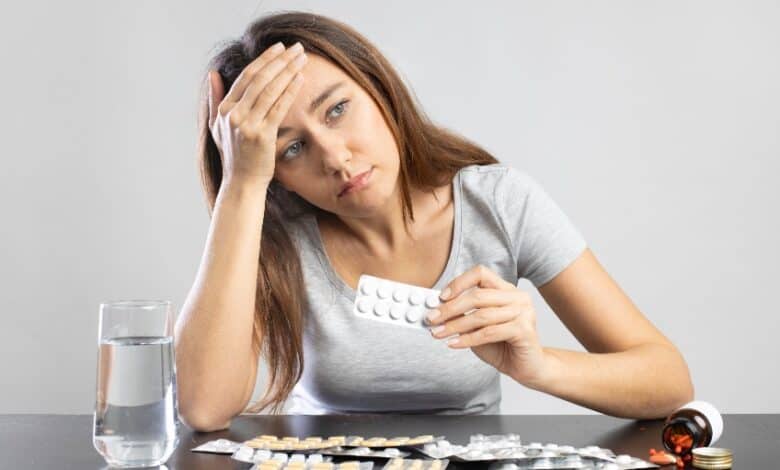
LEGAL drugs may be acceptable and necessary when consumed within prescribed directions. However, the abuse of these drugs or prescription medications can lead to a range of physical, mental and behavioral adversities. Worse case scenario would be introduction to even harder, illegal drugs
Netcare Akeso Stepping Stones, a mental wellness centre, warns of the risks associated with legal drugs and subsequent addiction.
“The slippery slope from using medications for their intended medical purpose to habitual use, dependency and addiction can take hold within weeks. Substance use disorders involving legal drugs are often overlooked but can be debilitating and even life-threatening,” Graeme Hart, an addiction counsellor at Netcare Akeso, warns.
Also read: Licit drug abuse – overshadowing the illegal drug trade
One sufferer (46) admits that she has been addicted to a particular headache powder for decades.
“I am fully aware of the physical and mental hazards of taking it regularly. The damage it may cause to my internal body organs or how it affects my finances. There have been plenty of warnings over the years, however, my brain possesses a stronger resistance.
“I take a couple of sachets on a normal day just to feel normal. It has become part of my ‘health routine’. If I go long hours without consumption, my body feels heavy and sluggish, and my brain freezes. It’s affordable and easily accessible, therefore imagined remedy is always around.
“I cannot pinpoint when the addiction began, but it must have been in my teens. I used to suffer from constant headaches and nosebleeds. I was always tired and slept very often. After multiple CT scans, blood tests and prayers, nothing could help. The only remedy at the time was to use prescribed medication and herbal remedies. All of these would provide temporary relief.
“As I grew older, my source of comfort became headache powders, although the relief was also temporary, but it was cheaper and faster and most importantly, available at every corner.”
She added, “The end or treatment of my addiction is not certain. At this point I am convinced that half the headaches I have are purely imaginary, it’s just my brain craving for a destructive attention.”
Also read: Compulsive gambling, addiction under spotlight
“Tragically, dependence on medication – painkillers in particular – is a fairly common form of substance use disorder. Under certain circumstances, any of us could be at risk of developing a dependence if faced with extreme physical pain requiring pain relief for an extended period,” observes Hart.
“People are often introduced to pain management medication for the first time when recovering from an operation or procedure. When someone takes certain types of prescribed medication for extended periods or self-medicates for longer than recommended, they often build up a tolerance, which means they need to take more and more to achieve the same effect, leading to dependency.”
Potential warning signs
* Taking medication more frequently than medically advised
* Experiencing mood swings
* Having excessive drowsiness
* Craving the medication or its effects
* Inability to stop using the medication, even when it affects work, home or other areas of your life
* Experiencing physical withdrawal symptoms when the medication is not available
* Obsessive behaviour especially over the obtaining of meds.
Experts suggest exploring non-pharmaceutical options to assist with pain and stress relief, particularly if one knows they are at higher risk for developing a medication addiction.
For more from Berea Mail, follow us on Facebook, X and Instagram. You can also check out our videos on our YouTube channel or follow us on TikTok.
Click to subscribe to our newsletter – here