
Umbilo inventor reimagines urban farming with hydroponic system
With no need for soil or electricity, a young Durban innovator's hydroponic system is planting seeds of hope for food security.
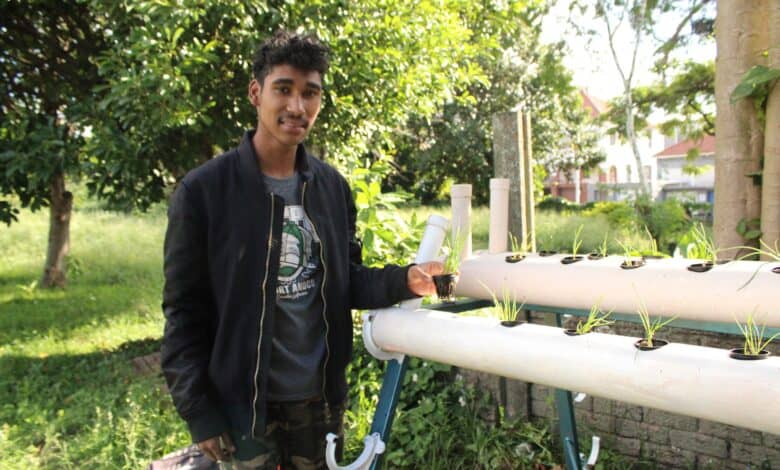
UMBILO inventor, 20-year-old Jude Bezuidenhout, is making waves in the agricultural sector after successfully launching his ground-breaking ultra-high-density passive hydroponic system, which could one day be the answer to food security in the country.
The self-taught inventor, who is working out of the grounds of Berea Bowling Club, has received backing from WeFeedSA and the Glenwood Bulwer Ratepayers and Residents Association (GBRRA).
Designed to combat urban food insecurity and rising electricity costs, Bezuidenhout’s system can grow up to 100 plants in a single square metre without using any electricity or mechanical pumps.
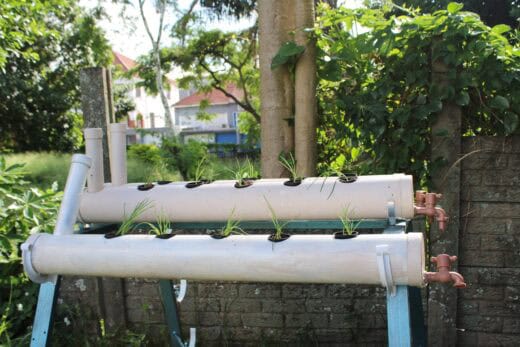
“My goal was to create a system that feeds people without costing them a cent in utilities,” says Bezuidenhout. “I built this prototype from the ground up without formal qualifications to prove that innovation doesn’t require a degree, it requires a problem and a solution.”
Also Read: New system to alleviate service delivery woes, response shoots up
This “off-the-grid” approach makes it a perfect solution for Durban residents facing high electricity bills or those living in space-constrained urban environments.
The system is currently in the proof-of-concept phase, with a functioning prototype already supporting 45 plants. With his provisional patent officially processed as of February 2026, Bezuidenhout is now looking to scale the design to its full 100-plant capacity.
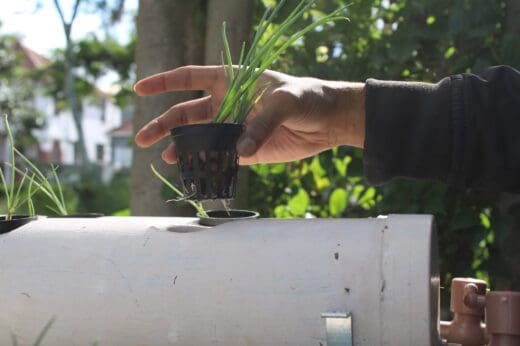
“Using this method, you can grow lettuce, cabbage and even spinach, among other produce,” said Bezuidenhout, who is looking for more ground support for his invention.
He is eager to connect with potential partners who can help bring this space-saving technology to the wider public. “Urban areas are usually the most food-insecure because everything has to be shipped in,” said Bezuidenhout.
Also Read: Urban garden seeks to bring hope
“By removing the need for soil and electricity, I am giving a tool that can turn any vacant land into a high-yield farm. I am taking the ‘cost’ out of the cost of living.”
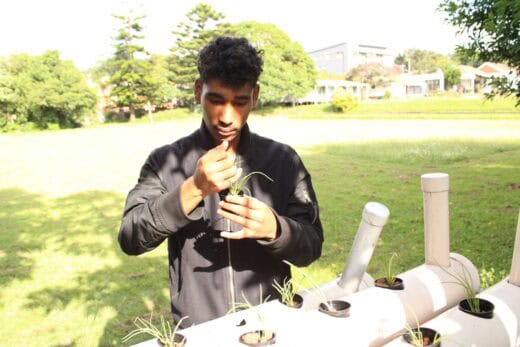
With the growth of his hydroponic farm, Bezuidenhout said he will also reach out to local schools to possibly house the system and grow vegetables for learners and the local community.
To find out more about the project or to support the initiative, Bezuidenhout encourages interested individuals, organisations and potential partners to email bezuidenhoutindustries@gmail.com as he works to take his innovation from prototype to full-scale production.
For more from Berea Mail, follow us on Facebook, X and Instagram. You can also check out our videos on our YouTube channel or follow us on TikTok.
Click to subscribe to our newsletter – here