
World News Day: The deadline that changed everything
From Sherwood Hall to Che Guevara Road, the events surrounding the June 30 deadline left thousands displaced.
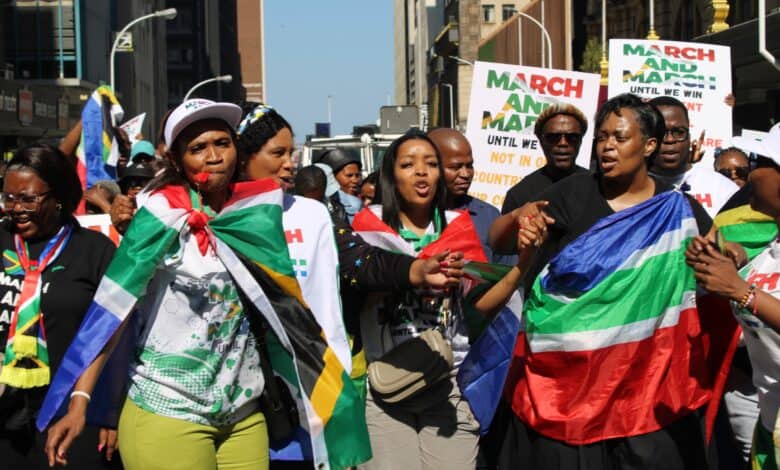
THE events leading up to the June 30 deadline for all undocumented immigrants to leave South Africa were a defining moment for the country, with thousands of foreign nationals displaced and repatriated while the world watched.
The date and its pronouncement, made by Nkosikhona Phakelumthakathi Ndabandaba, set in motion a series of events that fuelled uncertainty and fear among migrants throughout the country. Heavily affected, eThekwini Municipality would eventually bear the brunt of the fallout.
Since anti-illegal immigration civic group March and March began its campaign of blocking access to public healthcare for foreign nationals in July 2025, I began following a story that would eventually develop into one of the biggest and most costly crises to face South Africa this year.
After a number of protests through the city of Durban, uncertainty remained over what the deadline meant and how it would be enforced. The issue lingered, with life continuing as usual in South Africa until the last two weeks of June.
At one point, more than 10 000 Malawian nationals had gathered at Sherwood Hall. Women, men and children who had fled their homes in fear became stranded, with NGOs stepping in to assist and avert a humanitarian crisis. Much closer to the Durban CBD, refugees and asylum seekers had set up camp outside the Durban Refugee Reception Centre on Che Guevara Road.
As the days went on, numbers swelled by the hour, while the lack of government intervention deepened the crisis. National and international condemnation failed to halt the looming deadline.
Each day, we woke up to a new crisis, with more people displaced as fears grew of a recurrence of the xenophobic violence seen before.
Confusion reigned across the country while mass deportations were happening daily in a rush to meet the June 30 deadline. When the day came, police helicopters hovered above eThekwini, which had become the epicentre of the tension.
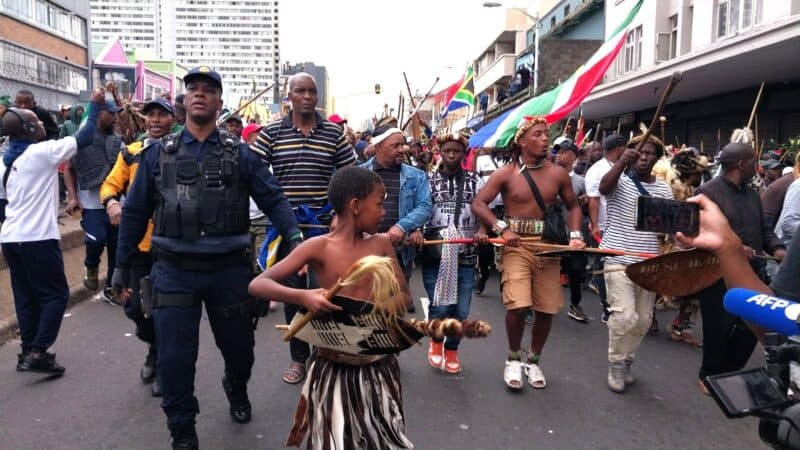
There was an eerie tension in the air as the world held its breath, waiting to see what would happen on June 30 and thereafter, amid fears of the violence that has accompanied xenophobia in the past.
On the day, thousands marched across the country, with isolated incidents of violence reported and arrests made. However, the damage had been done long before June 30 and its impact can still be witnessed today, with hundreds of foreign nationals displaced and looking to rebuild their lives.
For more from Berea Mail, follow us on Facebook, X and Instagram. You can also check out our videos on our YouTube channel or follow us on TikTok.
Click to subscribe to our newsletter – here