
Understanding the impact of undiagnosed hearing impairments in school-aged children
Screening your child’s hearing is essential for their development.
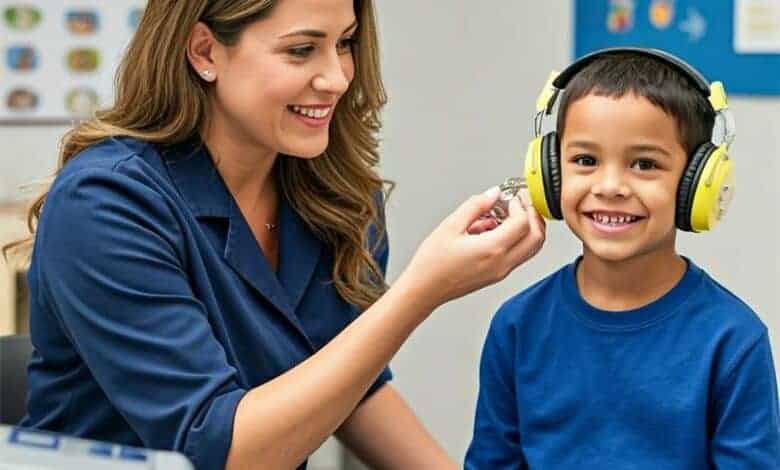
It is estimated that 15% of school-aged children are hearing impaired. According to audiologist Venisha Naran, hearing impairments are often misdiagnosed as behavioural problems or disobedience.
“Three out of 1000 babies are born with a hearing impairment. Others may develop ear infections which could lead to temporary or permanent hearing loss, if not diagnosed and treated timeously,” said Naran.
She explains that children often do not realise they have impaired hearing.
“Most of the time, they just compensate for it. More often than not kids cannot tell that they cannot hear and are therefore often labelled as troublemakers for not listening or following instructions.”
Signs that your child might struggle to hear:
• Delayed speech and language development
• Inability to follow instructions
• Poor reading ability
• Achieving below average grades at school
• Overly exhausted
• Avoiding social situations
• Behavioural issues
• Turning their head to listen
• Frequent misunderstandings
• Asking you to repeat things
• Turning the volume up on the TV or tablet
• Failure to respond when they are not facing you
• Ear ache
“These signs on its own do not diagnose a hearing impairment but this is why screening is important. Hearing screening should be standard in schools,” said Naran.
Dr Liza Street, paediatrician and cofounder of Ajuda, a digital storage vault for medical information, says that financial constraints can make screenings inaccessible as parents often prioritise essential expenses.
“Additionally, many parents may not be aware of the potential impact undetected hearing issues may have on their child’s development.”
Ajuda is currently working to address these issues through a school screening programme, which would involve not only the screening itself, but also the secure digital storage of the results in a free online vault.
“When children have an abnormal screening result, it may not be significant enough that the child needs treatment right away, but that initial test becomes a baseline which could provide valuable information to healthcare providers in the future,” said Street.
“Tracking changes over time, monitoring variations in results, seeing the impact of interventions as the child grows and understanding the development of your child are all essential to support efficient care long term.”
By promoting screenings in schools and providing secure storage for the results, it is hoped that the younger generation will have access to valuable personal health information at their fingertips.
ALSO CHECK: Helpende Hand voorsitter het ‘n hart vir die gemeenskap
ALSO CHECK: Brakpan SPCA Facebook page suspended over false impersonation claims