


It is deliberately leaning away from heavy promotional activity and loyalty cards in favour of dependable ‘Every Day Low Prices’.
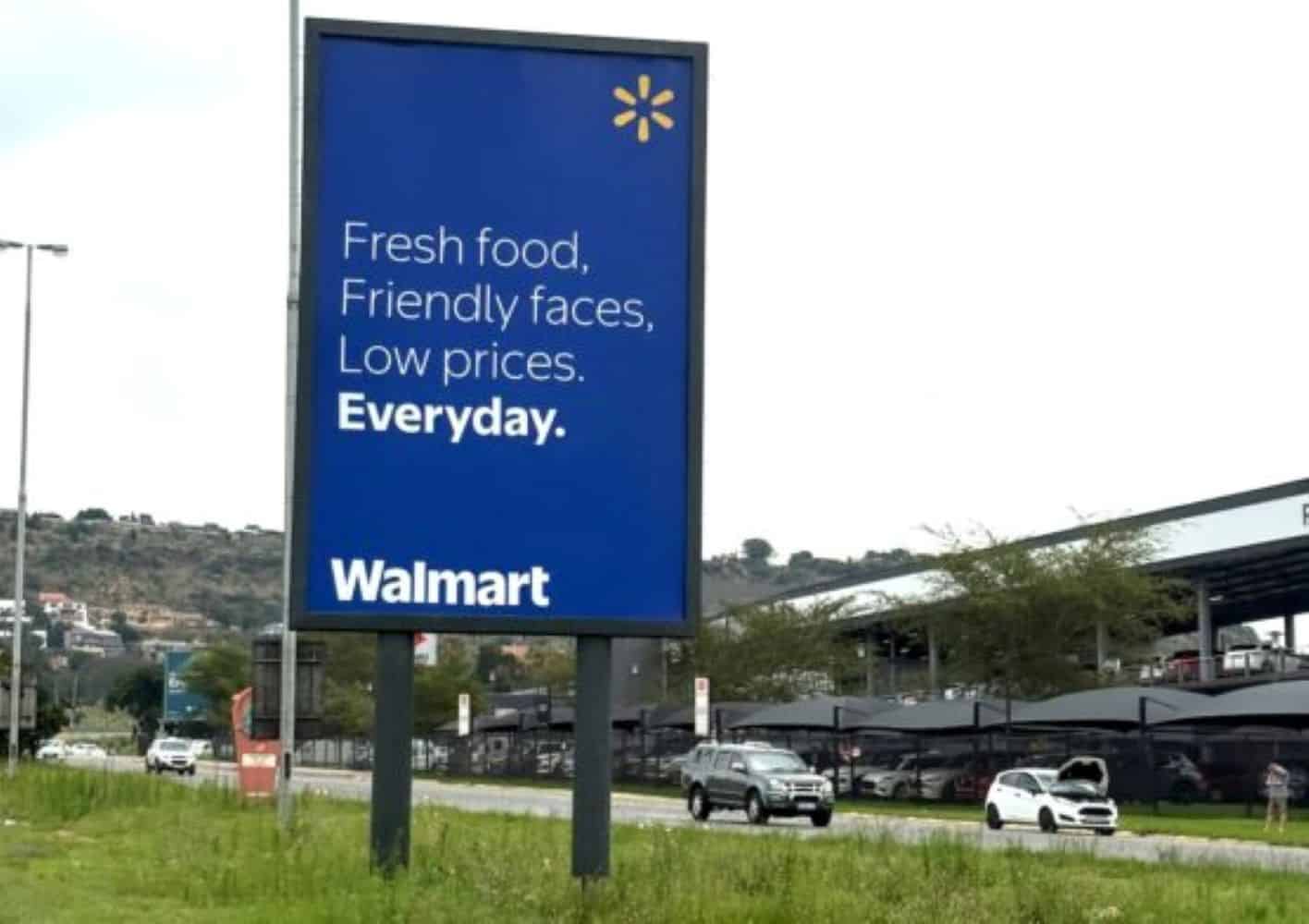
Game still works in smaller towns and cities, but in metros more are likely to become Walmarts – likely at the expense of the earlier plan to convert these to mini Makros. Picture:s: Supplied


are we as South Africans so endlessly fascinated with America? On a random November weekday afternoon, nearly a week after opening, Walmart Clearwater Mall was heaving with shoppers.
On the weekend it opened, queues to get into the store looked more like a stadium concert entrance than not. The last time this many people queued for a Game store opening was easily more than a decade ago.
Landlord Hyprop says the day the Walmart store opened, foot count at Clearwater Mall was around 85 000 compared to the average for Saturdays of about 37 000.
Some were there simply to see, but most shopped.
The opening of its Fourways Mall store on Saturday 28 November (it missed Black Friday by a day, either deliberately or by accident) was no different. Every second trolley being pushed through the mall and its cavernous parkade was blue.
What’s peculiar is that the Walmart offering in South Africa looks not dissimilar to when Game added the fresh food (baked goods, produce and meat) and frozen categories to its stores a decade ago.
This strategy to compete with the Shoprite Group, Pick n Pay and Spar ultimately failed, with Massmart announcing in early 2020 that it would take fresh and frozen food out of its stores and add clothing basics and expand its general merchandise offering to utilise the space.
The problem then is that while you could do a full grocery shop at Game, assortment was limited. The then CEO of Massmart, Guy Hayward, admitted in 2015 that: “You won’t have four choices of tomato sauce, for example. Because we can’t compete on convenience or quality, we will compete on price.”
This never really worked. Not only was choice limited for shoppers, but a narrower range also meant fewer suppliers and more limited buying from them (which hindered Game’s ability to discount).
ALSO READ: Walmart culture with SA spin?
Product offering
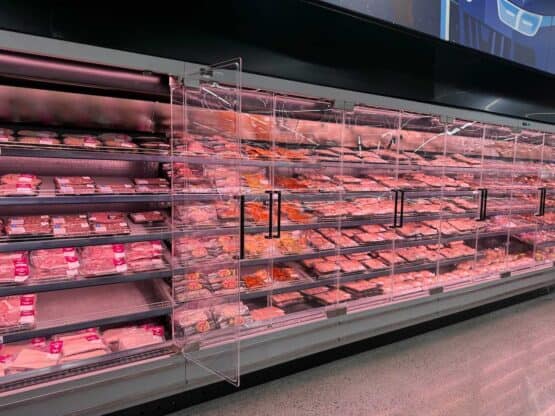
These first two Walmart stores are an improvement on Game’s fresh offer, especially when it comes to meat, but ranges of products remain quite narrow.
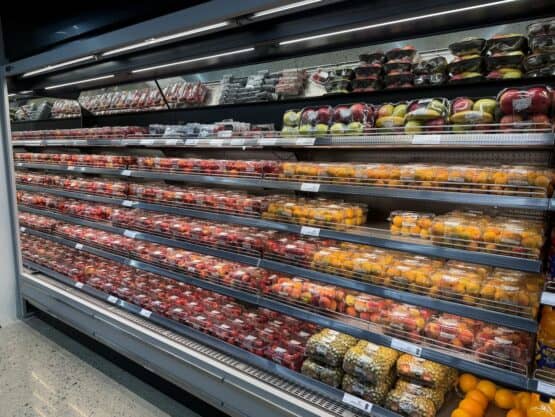
Massmart will no doubt prefer to call it “focused”. Its butchery has a branded selection of Sparta steaks which is a clear differentiator. The selection of fruit and vegetables is ‘fine’ albeit rather limited.
Walmart prices much of its produce per item (R16.52 for an avocado, R4.75 for an apple, R3 for a tomato, R64.81 for a watermelon) and prepared fruit and veg is supplied by Ferreira Fresh.
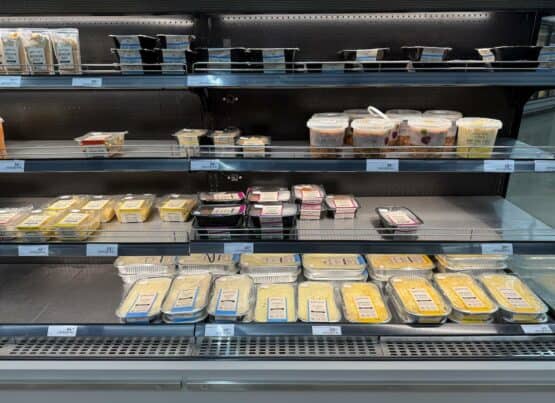
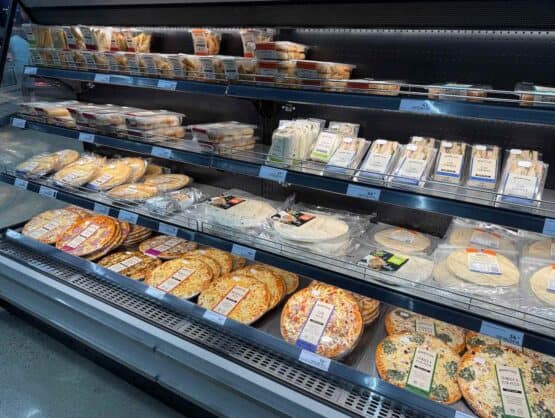
A basic selection of baked goods (rolls, cupcakes) and ready meals is available under its Marketside private label. Prices of items in the latter category are very modest (R44.82 for a Club sandwich, R62.61 for a large Pepper Steak Pie, R72 for a heat and eat Club Pizza). The hot food counter has a typical chicken, chips and pies offering, and pricing is good (R20 for a quarter rotisserie chicken leg).
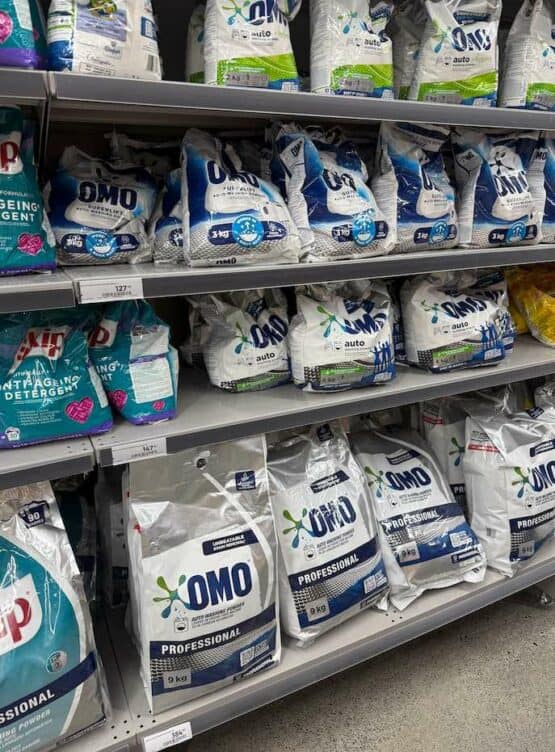
The rest of the grocery, household and toiletry offering remains similar to an existing Game store. However, it does seem that Walmart’s buying and ranging is a little more focused.
The rest of the general merchandise offer ‘feels’ different to Game.
Sure, there are some imported sodas and cereals (R200-plus per box), but these feel somewhat gimmicky and no different to what you’d find at a typical SuperSpar.
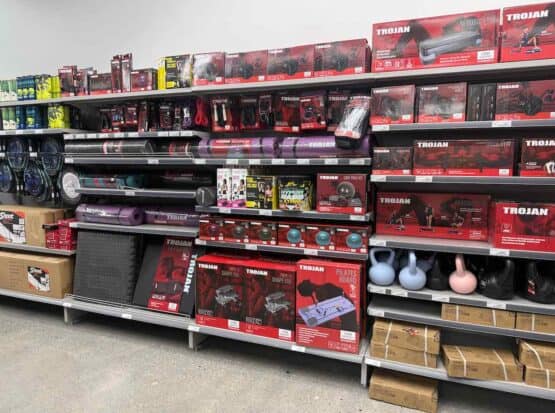
Then there are some tech products (a choice of about a dozen different TVs and two dozen laptops), very limited braai, pool and garden sections (the latter stocks only Builders’ private label Garden Master), a small assortment of sports and gym equipment (again, mostly its Trojan private label), a few shelves of toys and a far smaller selection of textiles, kitchen basics and small appliances than you’d find in any Game.
The Clearwater Mall store has a surprisingly large clothing section (around 350m2-400m2) which adds a different dimension to its offer, but it is primarily all basics (think Pick n Pay Clothing). There is no DIY section at all.
ALSO READ: Will Walmart grocery be cheaper than other stores? Here’s the comparison
Positioning
How Walmart has positioned itself in the market is telling. It is deliberately leaning away from heavy promotional activity and loyalty cards.
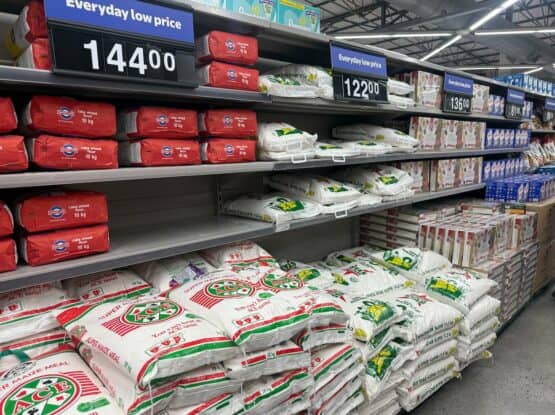
Rather, as it does globally, it is focused on “Every Day Low Prices” which it says “means customers can consistently and dependably find low prices at Walmart in stores and online, on the products they’re looking for at the quality they’d expect”.
The billion-rand question is whether this will succeed in a market where the three largest supermarket groups constantly compete with aggressive promotional activity.
The country’s largest food producer, Tiger Brands, says more than 36% of the food basket is shopped on promotion on average, with some categories as high as 50%. This is the problem.
Some Walmart prices are comparable with the likes of a Checkers or Pick n Pay (R89.25 “Every Day Low Price” for its own brand “Great Value” long-life milk), but will it be able to effectively compete in the categories where promotions drive a lot of sales (instant coffee, fabric softener) with prices that are noticeably higher than the offers in the market?
Even its Black Friday ‘deals’ – on some toy sets, small appliances and cooldrinks (two-litre Pepsi for R14.72) – hardly stood out.
ALSO READ: Clearwater Mall sees 85 000 people in one day, thanks to Walmart opening
Consumers spoilt for choice
Still, at least there’s a more solid reason to visit a Walmart store (a weekly grocery shop) than there is to visit a Game these days. This is particularly true in the larger metros where consumers are spoilt for choice when it comes to general merchandise.
Why would you go to Game instead of Makro to buy a TV? Why would you go to either if you can buy it on Takealot and have it delivered?
Walking around a Walmart store feels different to a Game (and it’s not simply about the lack of pink). This is a supermarket with some general merchandise added (not unlike a Checkers Hyper or Pick n Pay Hypermarket), not the other way round.
For Massmart, rolling out Walmart-branded stores is surely a neat solution to addressing the underperforming (and possibly even still loss-making) Game division.
Game still works in smaller towns and cities (Knysna, Kimberley, Richards Bay) where consumer choice is more limited and e-commerce deliveries take up to a week. But in Johannesburg, Pretoria, Cape Town and Durban, that market is fast disappearing.
ALSO READ: Meet the woman set to manage Walmart’s first SA store
Also, any fresh food and frozen offering needs scale, which is why we can expect a good few more Walmart outlets in Gauteng soon.
(It will be exceedingly difficult and costly to roll this out nationally, plus there’s just not that big an opportunity in fresh in smaller towns.)
That the first two Walmart stores were both former Game outlets quite literally spells out the strategy.
Massmart has said that it plans to open Walmart stores in places that didn’t previously have Game stores, and it may well do so. But expect more of its Game stores in the metros to become Walmarts (Centurion Mall? Cresta?) – likely at the expense of its earlier plan to convert these to mini Makros.
That will leave it with four big brands, each with a distinct proposition: Makro, Walmart, Game and Builders.
What’s in store?
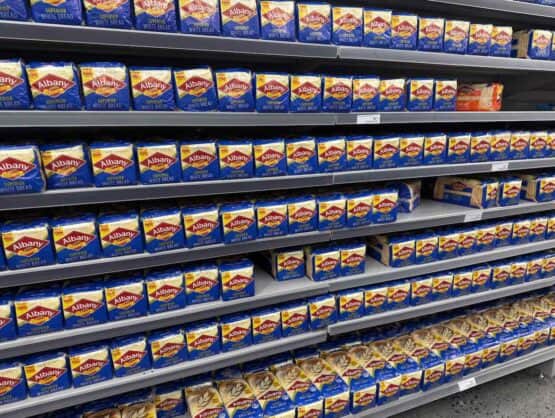
Take a look at Walmart’s product offering …
This article was republished from Moneyweb. Read the original here.
Support Local Journalism
Add The Citizen as a Preferred Source on Google and follow us on Google News to see more of our trusted reporting in Google News and Top Stories.

