'The strength to endure that period comes directly from my mother.'
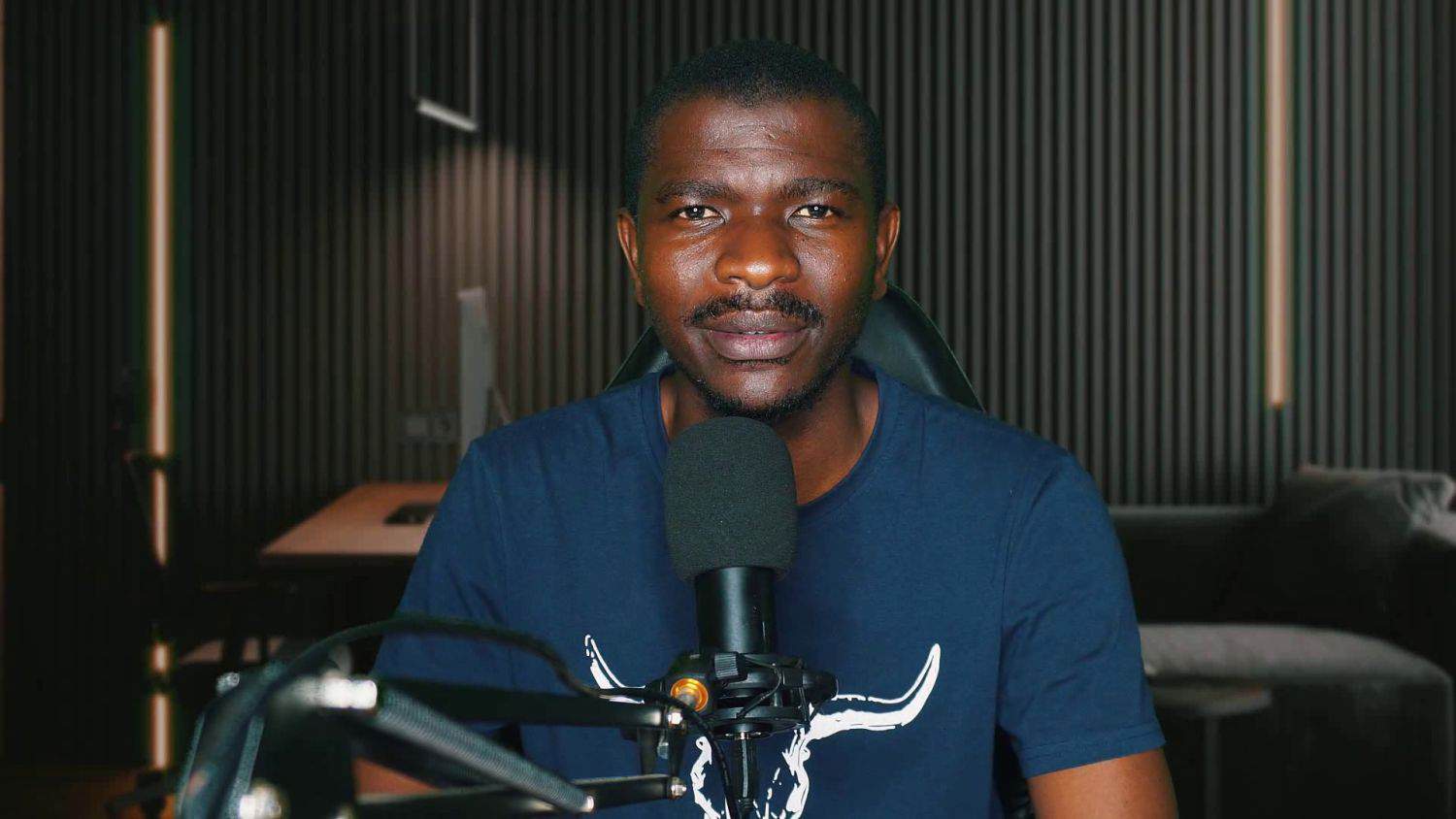
36-year-old Matthew Msingathi. Picture: Supplied


Unemployment can be viewed as both a devastating curse and a disguised gift, depending largely on an individual’s financial stability, and most importantly, mindset. To this day, the 36-year-old Matthew Msingathi thanks his resilient, strong-minded mother for the lessons he learned.
Msingathi was unemployed for nine years after obtaining his diploma in Information Technology (IT) from Walter Sisulu University in the Eastern Cape. Today, however, he runs his own tech venture and has taught many people how to code through his YouTube channel.
“Being born and raised by a single mother in a poverty-stricken community in Dimbaza was, in many ways, a blessing in disguise,” he said. “My mother taught me resilience through example.”
ALSO READ: Two South Africans, one laptop and a billion-rand travel company
Resilience and creativity are born
Msingathi told The Citizen that seeing his mom make something out of nothing taught him to never give up and to become creative.
“To paint a clear picture: she baked bread using a candle instead of cooking oil, used the same candle mixed with paraffin to polish the floor, and even showed me how crushed red brick could be used to clean teeth when toothpaste was not available,” he said.
“Those experiences shaped my understanding of survival, creativity, and mental toughness from a very young age. After graduating, I went nearly nine years without securing a job in IT. The strength to endure that period comes directly from my mother.”
Nine years of hope
He said he was supposed to collect his diploma in 2013, but did not. “I spent that year thinking deeply about what I could do with the skills I had gained at Walter Sisulu University through Nsfas [National Student Financial Aid Scheme].”
During his unemployed years, Msingathi, without any luck, sent CVs via email, LinkedIn, WhatsApp, and even offered to work for free. However, when he couldn’t find a job, he decided to start reading self-development books.
“That process helped me unlock other abilities I had never formally pursued: graphic design, print production, branding, business consulting, and signage development. I learned how to design, print, and produce almost anything you can see or touch, from car wraps to billboards.”
ALSO READ: Mzansi’s people: From packer to manager
Light at the end of the tunnel
Msingathi said after experiencing repeated rejection, homelessness, and sleepless nights on the streets of Johannesburg, he eventually returned home to the Eastern Cape. It was during this period that he started a YouTube channel.
“That moment marked a turning point,” he added. “I started teaching graphic design on YouTube, which later evolved into teaching coding.
“The coding content gained international traction, leading to global clients, including a Canadian tech start-up that hired me to rebuild their mobile app.
“One of my courses was featured on FreeCodeCamp, one of the world’s largest coding platforms with over 11 million subscribers, and I later became a Udemy instructor, which remains a source of income today.”
Own tech product
Msingathi said that after everything, he decided to start his own platform to help small businesses create quotes and invoices with ease. The platform was free at first, but later he ended up having to cover some of the business costs from his own pocket.
“When I launched the platform, I initially made it completely free, inspired by international platforms that operate without charging users,” he said.
“What I failed to consider was that many of those platforms are government-funded in their countries. I quickly found myself covering operational costs out of my own pocket and sinking into debt.
“That’s when my co-founder, Manelisi Nodada, joined me and helped me realise that sustainability required charging an affordable fee and restructuring the business for global growth.”
Fail fast, fail forward
Msingathi added that his guiding principle has been “fail fast, fail forward”.
“Offering the platform for free taught me valuable lessons, but it also proved financially unsustainable,” he said. “To address this, I brought in a business associate with extensive experience in the South African tech ecosystem and enterprise development.”
He said he has also identified a significant gap in the country’s small and medium enterprises (SME) funding ecosystem.
“Government incubators and funders often allocate large amounts of money to small businesses without having a digital system that tracks financial decision-making in real time. As a result, funds are often misused or lost without early detection.”