



It is not only gifting time for consumers in December. It is also gifting time for scammers on the lookout for unsuspecting consumers.
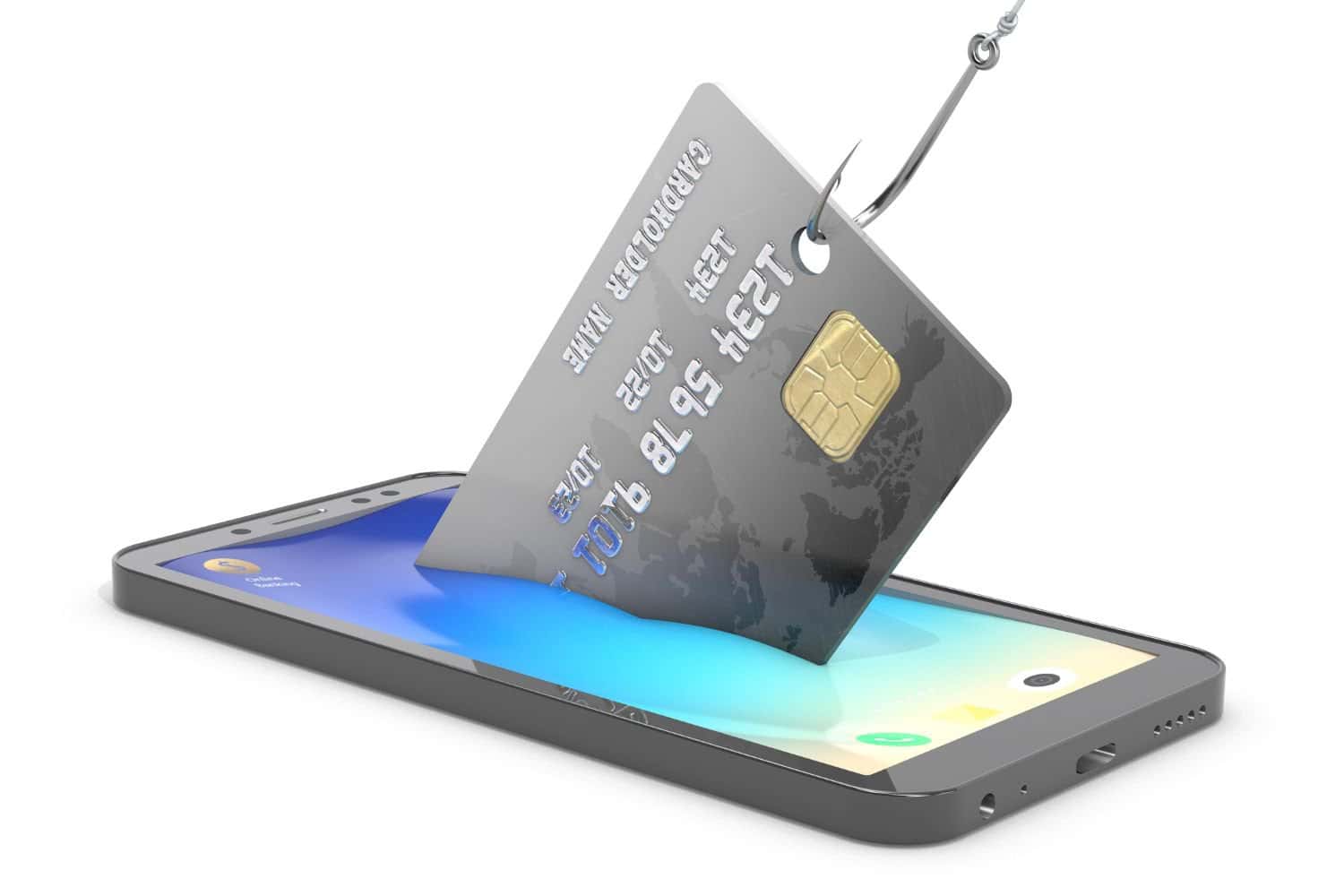
Picture: iStock


Not a day goes by without us hearing how careful we must be to stay out of the claws of scammers who have become incredibly sophisticated to steal your confidential details or your money. However, before we say it is getting too much and monotonous, remember that we also hear of people being scammed every day.
The international scamming ecosystem has grown to industrial levels, leaving consumers vulnerable to sophisticated and hard-to-spot scams. As we head into the festive season, Sanlam is warning consumers to be extra cautious amid a sharp rise of impersonation and investment scams, in particular, Helen du Toit, head of forensics at Sanlam.
“Over the past year, financial institutions, regulators and law-enforcement partners have seen a noticeable escalation in fraud cases involving fake investment opportunities, advance-fee schemes and identity impersonation.
“These scams are becoming more sophisticated, more convincing and more aggressive and increasingly using the names and images of well-known brands and executives to lure victims.”
ALSO READ: Scams are made for consumers with financial anxiety to click on
Scammers ramp up over festive season
Du Toit says scammers are acutely aware of the festive “spirit of spending” and will look to capitalise on it. “They also know January can be financially difficult for many people, which makes consumers more vulnerable to offers of quick cash or seemingly ‘guaranteed’ returns.”
She warns that the global proliferation of highly coordinated and industrialised ‘scam compounds’ is not to be taken lightly, especially as they increasingly target vulnerable groups such as the elderly.
There is also a new wave of impersonation scams. Du Toit says one of the fastest-growing threats is the rise of fake investment groups on Telegram, WhatsApp and Facebook.
“These groups falsely claim to be run by credible institutions and well-known leaders, using slick profiles, fabricated testimonials and manipulated images of executives to create legitimacy.
“In some cases, scammers mimic official emails so convincingly that only a small spelling error or altered domain name gives them away.”
The Financial Sector Conduct Authority (FSCA) has issued a specific warning about scammers impersonating authorised financial services providers (FSPs), including individuals claiming to be associated with Sanlam.
ALSO READ: Consumer scammed out of R6 million while ‘trading’ on JSE
Not only social media where you must beware
Du Toit says it is about more than just social media.
“Sanlam is also seeing a spike in call-spoofing or ‘vishing’ scams, where criminals use number-spoofing technology to appear as if they are from Sars, a bank or another trusted institution to extract personal information.
“These scammers rely on panic or urgency. They will claim there is a problem with your account or that you are about to miss out on an opportunity. Pressure is their strongest weapon.”
She warns that business email interception is a growing blind spot.
“Business email compromise (BEC) remains an escalating threat. Criminals infiltrate email accounts, often through weak or breached Gmail passwords and quietly monitor correspondence before intercepting payment instructions and inserting fraudulent banking details. Hidden forwarding rules or deleted messages make these attacks extremely difficult to detect.”
ALSO READ: How to spot the signs and avoid falling victim to online scams
How to protect yourself from financial predators
How can South Africans protect themselves against these financial predators? Sanlam urges consumers to stay vigilant and approach any unsolicited financial opportunity with caution.
Key safeguards include:
- Reputable financial institutions will never ask consumers to invest via Telegram, WhatsApp, Facebook or direct messages.
- No public figure will personally offer investment deals or expedited returns.
- Avoid clicking on links in unsolicited messages and always verify email addresses and social-media accounts carefully.
- Never share your personal information such as ID numbers, banking details or OTPs over phone calls or chat apps.
- Look out for spelling errors, altered email domains, unusual sender names, unexpected attachments or mismatched links.
- If you are unsure, check with the Financial Sector Conduct Authority (FSCA) or consult an accredited financial adviser.
The FSCA urges consumers to be alert to red flags such as unrealistic returns, pressure to act urgently, vague investment information, claims that an entity “does not need an FSCA licence”, or requests for additional payments.
You can verify whether an FSP is legitimately authorised by calling the FSCA (0800 110 443) or using its online FAIS search tool.
ALSO READ: Senior citizens warned to be extra careful to protect their money this holiday season
Support Local Journalism
Add The Citizen as a Preferred Source on Google and follow us on Google News to see more of our trusted reporting in Google News and Top Stories.

