


Still nowhere to be seen, as JMPD keeps mum about lapsed contract.
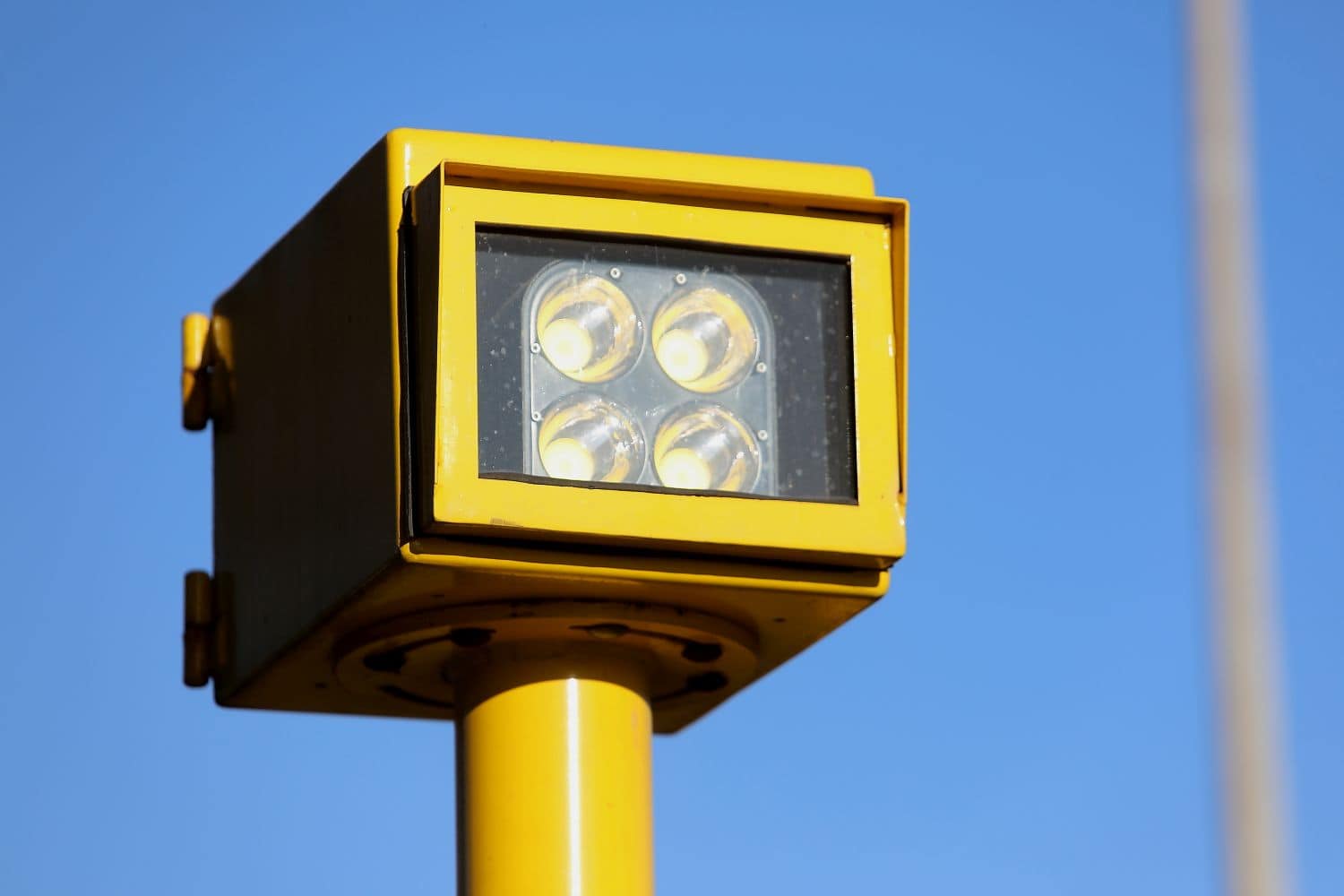
Speed cameras on 15 July 2022 in Soweto. Picture: Gallo Images/Fani Mahuntsi


Two days before Christmas last year, the City of Johannesburg lost all of its speed cameras, and enforcement of speed limits by the Joburg Metro Police Department (JMPD) using cameras remains at a complete standstill.
This not only means that motorists can speed with impunity on Joburg’s roads – it also represents a potentially significant loss of revenue for the metro.
Three sources with close knowledge of the matter have independently confirmed to Moneyweb that the metro’s contract with Syntell, which provided the cameras and back-office system to process fines, lapsed on 23 December and no replacement has yet been appointed.
Syntell took its cameras with it, and the JMPD does not have any of its own.
JMPD spokesperson Superintendent Xolani Fihla failed to respond to questions in this regard, save for acknowledging receipt.
The sources, who asked not to be named due to the positions they occupy, say Syntell also used to upload other traffic fines as well as fines stemming from by-law enforcement.
ALSO READ: ‘Speeding days are over’ – City of Joburg signs three-year contract for speed cameras
Back to pen and paper …
Apparently hand-written traffic fines are now being uploaded by department heads, but these have historically represented only a small portion of the total number of fines issued by the JMPD.
In the previous financial year, it issued 3.4 million traffic fines, according to the annual report of the Road Traffic Infringement Agency (RTIA), which administers the Administrative Adjudication of Road Traffic Offences (Aarto) Act that applies in Johannesburg and Tshwane.
Of those, 3.1 million were based on speed camera images.
In January last year alone, the JMPD issued 277 705 camera fines.
In the previous financial year, almost 3.6 million of the 3.8 million traffic fines were for speedsters caught on camera.
Camera fines are therefore a huge source of revenue for the JMPD.
The JMPD’s revenue generated from all traffic fines in 2023/24 was almost R47 million.
And the budget for the next financial year provided for an increase of 4.8%. Revenue from camera fines is not disclosed separately.
ALSO READ: There are no working speed cameras in Joburg, JMPD confirms
‘Blatant incompetence’
Solomon Maila, the DA’s shadow member of the mayoral committee (MMC) for public safety, called the failure to appoint a replacement after the Syntell contract lapsed “blatant incompetence”.
He said the MMC for public safety, Dr Mgcini Tshwaku of the EFF, should have kickstarted the supply-chain process long before the contract lapsed.
Cornelia van Niekerk, owner of Fines4U, a company that administers traffic fines on behalf of individual vehicle owners and fleet owners, says the situation in Joburg does not bode well for the countrywide implementation of Aarto, which is already years overdue.
The Department of Transport’s latest plan was to implement it in a further 69 municipalities in December last year, with a full roll-out to other municipalities and the introduction of the demerit system – which would cost repeat offenders their driving licences – scheduled for April and September this year.
However, this was once again cancelled at a late stage due to municipalities not being ready.
Van Niekerk says there is too much uncertainty around traffic law enforcement in South Africa, and as a result motorists no longer take it seriously.
She adds, however, that camera enforcement does not contribute to road safety and officials should focus on visible policing instead.
Rob Handfield-Jones, managing director of driving.co.za, agrees that speed cameras are not the answer to safer roads.
“Traffic officers must get into their vehicles and do enforcement of transgressions that really make a difference to road safety, instead of just sitting behind a camera all day,” he says.
This article was republished from Moneyweb. Read the original here.
Support Local Journalism
Add The Citizen as a Preferred Source on Google and follow us on Google News to see more of our trusted reporting in Google News and Top Stories.

