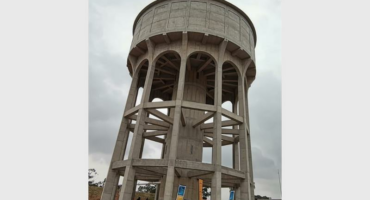
Consider rain harvesting as an additional source of water
With spring a few months away, Rand Water urges customers to consider rainwater harvesting as an additional source of water.
Every year, the organisation experiences high water consumption from spring to the end of summer.
During this period, most people are engaged in outdoor activities that may lead to the wastage of millions of litres of clean water.
Some of the activities include washing cars and pavements with hosepipes, filling swimming pools and watering their lawn and gardens. These leisure activities always lead to high water consumption at critical times.
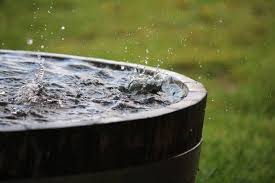
Rainwater harvesting has been practised for centuries around the world as consumers collected and stored rainwater in large containers and ponds.
Rainwater may be used for multiple purposes, including irrigation, washing, cooking and drinking. However, water for cooking and drinking must first be treated, thus, boiled before it can be consumed.
South Africa is the 30th water-scarce country in the world. With the changes in global climate conditions, water tanks have become a popular option for large rainwater harvesting.
Water tanks allow users to collect rainwater from their roofs and store it for later use.
The scarcity of raw water has prompted Rand Water to continually urge consumers to use water sparingly as demand exceeds the supply.
Some of the advantages of rainwater harvesting include the reduction in the demand for municipal water supply, leading to low water bills. It may also prevent stormwater runoff into a property.
Issued by Justice Mohale.