Gauteng urges united fight against substance abuse and drug trafficking
Empowering Gauteng’s youth to choose hope over drugs and crime.
Substance abuse and illicit drug trafficking continue to tear apart families and communities across South Africa.
While awareness campaigns have helped shine a spotlight on the problem, the reality remains stark: drugs are destroying lives, fuelling crime, and robbing many young people of their future.
The challenge becomes even more visible during the winter months when rehabilitation centres often experience an increase in admissions.
ALSO READ: Three suspects arrested in Primrose with unlicensed firearms and drugs
Some facilities become overcrowded as vulnerable individuals seek shelter, warmth, and food, adding pressure to already stretched resources.
Young people remain among those most at risk. Unemployment, peer pressure, family challenges, social media influences, and the lure of quick money create fertile ground for substance abuse and criminal activity.
Drug syndicates often prey on these vulnerabilities, recruiting young people with promises of wealth and opportunity that rarely materialise.
The Gauteng Department of Social Development continues to strengthen efforts to prevent substance abuse through community-based awareness campaigns, school outreach programmes, youth dialogues, and partnerships with non-profit organisations. These initiatives focus on prevention, early intervention, treatment, rehabilitation, and reintegration.
ALSO READ: Illegal drugs worth over R22 800 seized in EMPD operations across Ekurhuleni
One of the department’s flagship prevention programmes is Ke Moja, which educates young people about the dangers of drugs and alcohol while promoting healthy lifestyle choices.
The department also funds organisations such as SANCA, which provide treatment, counselling, aftercare services, and support for recovering addicts and their families.
In addition, the department operates substance abuse treatment centres and day-care facilities across Gauteng, ensuring that individuals battling addiction can access professional assistance closer to their communities.
Through awareness campaigns conducted throughout the year, residents are encouraged to seek help before addiction takes hold.
Early intervention remains critical. Families and communities should be alert to warning signs such as sudden mood changes, aggression, secrecy, withdrawal from loved ones, declining school performance, unexplained spending habits, and association with new peer groups involved in risky behaviour.
ALSO READ: EMPD arrests 10 men in Ekurhuleni for possession of illicit drugs
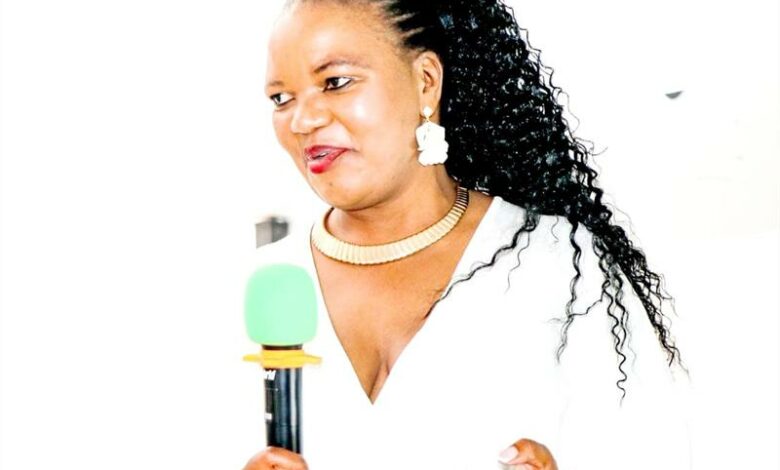
“The devastating consequences of drug trafficking were brought into sharp focus during a recent awareness programme hosted by the department. A woman, who asked to be identified as “Meriam Mchunu”, shared her painful experience of being recruited as a drug courier and ultimately serving a lengthy prison sentence.
“Addressing learners and community members, she recounted how a difficult period in her life left her vulnerable to manipulation by drug traffickers who promised financial rewards and protection.
Instead, she found herself arrested at OR Tambo International Airport and sentenced to 14 years in prison,” said Madali Chibambu, communicator at the Department of Social Development in Gauteng.
Her story served as a reminder that drug trafficking does not offer a shortcut to success. It often ends in imprisonment, shattered families, and lost opportunities.
Substance abuse is not only a health issue, it is closely linked to crime, gender-based violence, family breakdown, school dropout rates, and unemployment.
“This is why the fight against drugs requires a united response from government, parents, educators, faith-based organisations, community leaders, law enforcement agencies, and young people themselves,” said Chibambu.
Communities must continue to report drug dealers, support prevention programmes, and encourage those struggling with addiction to seek professional help.
“Equally important is creating opportunities for young people through education, skills development, entrepreneurship, sports, and recreation programmes that offer positive alternatives to substance abuse.
ALSO READ: Gauteng police seize drugs, stolen vehicles and firearms in major crackdown
“The battle against drugs cannot be won overnight, but progress is possible when communities work together. Every young person saved from addiction represents a life restored, a family strengthened, and a community made safer.
“If we are serious about building a better Gauteng, we must continue investing in prevention, treatment, rehabilitation, and youth empowerment. The future of our communities depends on it,” said Chibambu.
For assistance with substance abuse-related challenges, contact:
• Substance Abuse 24-Hour Help Line: 0800 12 13 14.
• Alcoholics Anonymous South Africa: 0861 435 722.
• Narcotics Anonymous South Africa: 083 900 6962.
• SANCA: 011 892 3829 or WhatsApp 076 535 1701.