
Bertha Gxowa recognises World Hypertension Day
"The bottom number is your diastolic blood pressure, which measures the pressure in your arteries, while your heart is resting between heartbeats.
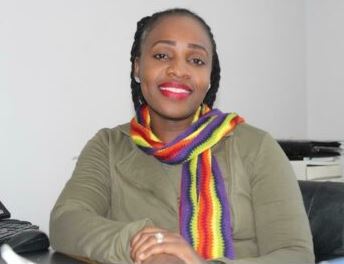
Bertha Gxowa Hospital celebrates World Hypertension Day on May 17.
ALSO READ: Bertha Gxowa commemorates World Aids Day
This day is intended to raise awareness of the significance of blood pressure monitoring and the one billion people who live with high blood pressure worldwide.
The month of May is when South Africans can get a free blood pressure check at participating pharmacies nationwide.
In SA, an estimated 53 men and 78 women over 30 die from the impact of hypertension every day.
A collaborative drive, May Measurement Month is an annual global screening campaign, orchestrated by the International Society of Hypertension (ISH), the Southern African Hypertension Society (SAHS) and Servier.
To raise awareness about hypertension, members of the hospital gave tips to patients and visitors at the hospital.
Nhlanhla Khumalo, the head dietician at Bertha Gxowa Hospital, was interviewed by GCN to get advice on maintaining a balanced diet.
ALSO READ: Bertha Gxowa Hospital highlights breast cancer and mental health in awareness
She said though there are no outward signs or symptoms of illness, this condition has the potential to develop into significant heart disease, a stroke, or even death if left untreated.
“Other complications can include heart failure, peripheral vascular disease, kidney damage, retinal haemorrhage, and visual impairment.
“With relatively few people making the connection between raised BP and the devastating consequences of the illness, awareness levels need urgent attention to curb the exponential growth of the disease in South Africa,” said Khumalo.
“Blood pressure is reported with two numbers. The top number is your systolic blood pressure, which measures the pressure in your arteries when the heart beats.
“The bottom number is your diastolic blood pressure, which measures the pressure in your arteries, while your heart is resting between heartbeats.
“When your blood pressure is too high, your heart has to work harder to pump the blood through your body. This places tremendous strain on the heart, which could eventually lead to heart failure,” she said.
ALSO READ: Local surgeon set to compete for Miss International in Japan
Khumalo said to lower your risk of a heart attack or stroke, it’s critical to understand blood pressure numbers. Normal blood pressure is measured at or under 120 systolic and over 80 diastolic.
“A hypertensive crisis occurs when your reading is above 180 over 120. Blood pressure this high can damage your blood vessels and lead to a stroke, therefore immediate medical attention is required to stabilise your blood pressure.
“Staying up to date with your blood pressure screenings is the best way to identify elevated blood pressure levels when there’s still time to treat it,” said Khumalo.
Risk factors, according to Khumalo, include dietary habits, physical inactivity, and family history (hereditary genetics).
Khumalo advised the following:
• Reduce your salt intake to under one teaspoon a day. Too much sodium increases your blood pressure.
• Limit alcohol use. Drinking alcohol increases your blood pressure, therefore try to stick to the recommended limits if you find it hard to abstain.
• Exercise regularly for at least 30 minutes at a time.
• Maintain a healthy weight. Being overweight or obese increases your risk of cardiovascular disease and other metabolic conditions.
• Quit smoking or vaping. Both can harm your heart and blood vessels, contributing to hypertension.
• Find healthy ways to manage your stress.
• Monitor your blood pressure at home with a validated cuff-style monitor that goes on your upper arm.
ALSO READ: National Emergency Medical Service Day marked in Germiston
• Consult your doctor about your blood pressure, who will be able to advise the best strategy for you.
• Take medicine as prescribed, while also following a healthy lifestyle.
• Follow healthy cooking methods.
Being proactive about your health and knowing your blood pressure numbers can be a lifesaver.
Dr Martin Mpe, a Gauteng-based cardiologist and past president of the South African Hypertension Society, said detecting hypertension early also helps minimise the risks.
Also follow us on: