Bullying in schools can become a criminal offence, warns Germiston SAPS
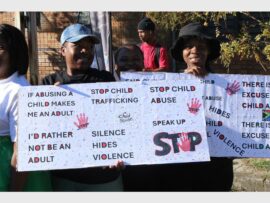
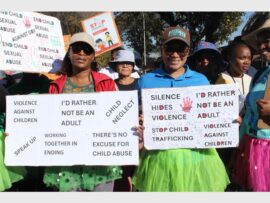
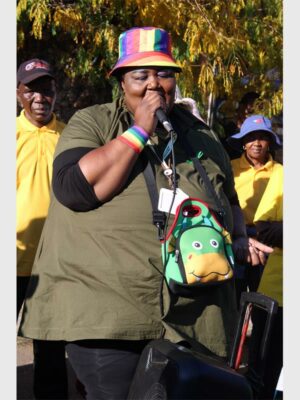
Bertha Gxowa Care Centre clinical nurse Sister Hazel Moagi urged learners, parents and communities to take bullying seriously and to report cases before they escalate.
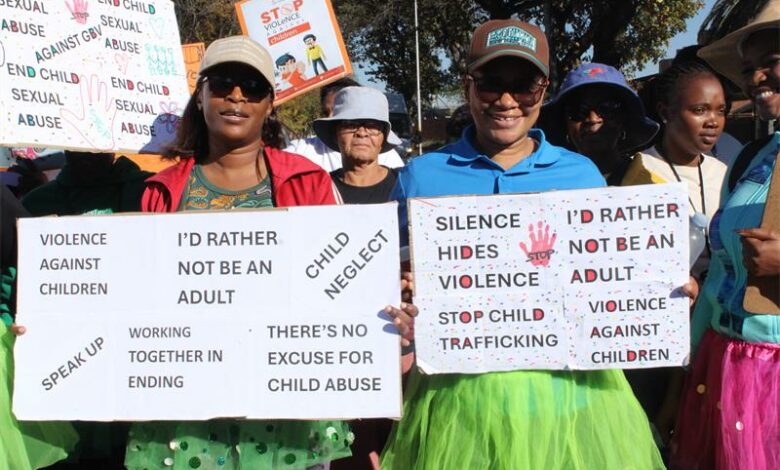
Bullying in schools is no longer just a classroom problem; it has become a serious social concern that can leave learners emotionally and sometimes physically damaged.
In most cases, the victim is afraid to speak out, and in some cases, may need urgent counselling.
Germiston SAPS Social Crime Prevention officer Constable Zonica Brooks said police are often called in only after bullying has escalated, despite warning signs often being visible long before the situation gets out of hand.
ALSO READ: Teen turns to Tebbutt Academy karate to fight bullying
Brooks said schools, parents and police all have a role to play in identifying bullying early, supporting victims and addressing the behaviour of bullies before it leads to further harm.
“Schools normally call me when there is a bullying case that has been reported to them and they are unable to resolve it.
“Most of the time these are cases where learners used to be friends, but then suddenly changed towards each other. There are also cases where a group of friends bullies one learner because that learner does not fit into the social relevancy of that group.
“Sometimes the situation gets out of line after the school has addressed the bullying issue with the learners involved and has also involved their parents.
“If the bullying continues after that, then the police get involved. The police also get involved if the bully is physically assaulting the victim and refuses to stop after the school has intervened,” said Brooks.
She further highlighted that the Social Crime Prevention Unit has pre-intervention programmes aimed at discouraging learners from bullying.
“As the unit, we conduct school talks addressing bullying. We also run campaigns where we hand out pamphlets about the topic which learners are able to read in depth the consequences of bullying.
“I also have one-on-one talks with learners whenever there is a bullying case. I conduct interviews with the parties involved, including their parents.
“During the interviews, I explain to learners what bullying can do to another person and why it is wrong to bully another learner,” said Brooks.
ALSO READ: Teen hospitalised after alleged bullying attack at Vosloorus school
She encourages schools to assign every teacher to observe their learners in class.
“By doing so, teachers will be able to identify problematic learners and see who the bullies are in that specific class. Because teachers often spend time with leaners they will be able to spot the different behaviours,” said Brooks.
“Once those learners have been identified, the school should call a meeting with their parents and inform them that their children are becoming a problem. Parents should then sit their children down and talk to them.”
Parental guidance
Brooks highlighted that it is every parent’s responsibility to talk to their children about bullying.
“They need to sit them down and talk to them, whether the child is the bully or the one being bullied.
“Parents need to ask their children if they are being bullied and whether they are reporting it.
“Parents should also get to know the friends their children are spending time with and establish whether they are good or bad influences. Most of the time, friends influence each other to become bullies.
ALSO READ: Gauteng government takes steps to fight bullying in schools
“I feel that schools should involve the police the moment learners complain about bullying. In most cases, schools inform us only after the bullying has escalated. If they informed us earlier, we would be able to speak to those specific learners before the situation gets worse.”
Speaking out
“Speak up. If you are too afraid to report bullying at school or to the police, report it at home. Tell your parents. If you are too afraid to tell your parents, tell a friend. If there is no friend, tell someone you trust,” said Brooks.
“If you are really too scared to talk, write a letter and leave it on your teacher’s table or take it to the office. But do not keep quiet.
“Unfortunately, in most of my cases, I am called after the bullying has already escalated. From what I have seen, there are always signs. For example, the tone the bully uses when speaking can show that the person might become aggressive and do something to the victim.
“In the victim’s case, sometimes during interviews, you can pick up that the victim needs counselling because he or she is already having signs of suicidal thoughts.
“For me, it is very important to patiently listen to both the bully and the victim when I interview them. In most cases, you may find that the bully is actually dealing with problems at home and then comes to school and takes out that anger on someone else they can threaten.
“Sometimes, you may also find that the victim was actually the one who started the bullying. That is why it is important to conduct interviews with both parties,” said Brooks.
ALSO READ: School of Affirmations takes stand against bullying
When does bullying become a crime?
Specific actions that can elevate bullying to a criminal level include physical assault, such as hitting, shoving or causing any form of physical harm.
Intimidation and threats, including making death threats or creating a reasonable fear of imminent harm or property damage, may also be considered criminal.
Police warn that harassment and stalking involves repeatedly following, watching or continuously communicating with the victim in a way that causes distress or harm.
Crimen injuria refers to impairing another person’s dignity and can include extreme verbal abuse, hate speech, or racist and sexist slurs.
Cyberbullying and sexting may also become criminal when threatening electronic messages are sent, abusive content is posted, or intimate images are shared without consent.
These offences can take place within school grounds or outside the school environment.
Professional nurse
Bertha Gxowa Care Centre clinical nurse Sister Hazel Moagi was recently named a Children’s Champion by the Child Guardian Unit, an Edenvale-based organisation that tackles child neglect, abuse and abandonment.
Moagi said the organisation is active in areas including Germiston, Edenvale, Bedfordview and surrounding communities, where it collaborates with SAPS, social workers and local security companies.
ALSO READ: What impact bullying has among children
“They advocate for children’s safety and provide procedural support for urgent interventions,” said Moagi.
Speaking about bullying, Moagi said many bullying incidents at schools stem from troubled home environments.
“A child copies the behaviour from home, and when we come in as social workers, we often find that the situation is even deeper,” she said.
Moagi said bullying is one of the topics they address during school visits. Learners are encouraged to report incidents, while social workers educate them about child justice and the possible consequences of their actions.
“We make the learners aware of the consequences. They sometimes get shocked when they learn that they could spend time in jail,” she said.
She added that as nurses/social workers they also offers counselling to affected children. However, when physical abuse is involved, the matter is escalated.
Moagi said bullying can become more complex when adults involve themselves in school disputes.
She urged learners, parents and communities to take bullying seriously and to report cases before they escalate.