
June 30 protests leave Ekurhuleni businesses counting losses
Local authorities and community organisations are now calling for dialogue, urging residents to address concerns through lawful and constructive means

The events of June 30 have left a lasting mark on several communities across Ekurhuleni, with businesses disrupted, residents shaken, and uncertainty lingering in the days that followed.
What began as a coordinated march in different areas quickly escalated into a tense and, at times, volatile situation.
While many participants expressed their frustrations over socio-economic challenges, the impact on local businesses was immediate and severe.

ALSO READ: WATCH: Scores gather near Germiston CBD as march activity begins ahead of planned protest
Several shops were forced to shut their doors prematurely, and loss of income during what would have otherwise been a normal trading day.
Small business owners, already grappling with a challenging economic climate, found themselves at the centre of the unrest.
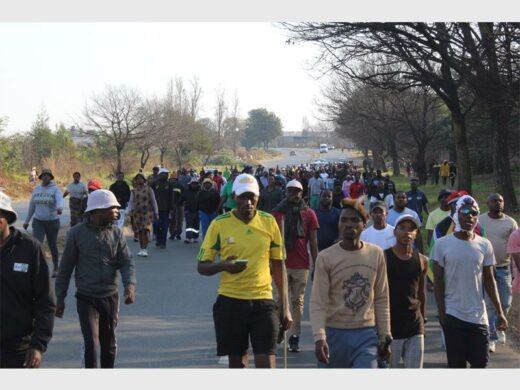
For many, the march translated into lost revenue and heightened anxiety about reopening.
“We understand people are frustrated, but this has affected our livelihoods. We don’t know if it’s safe to operate as usual,” said one shop owner in Primrose.
Foot traffic in the CBD corridor has decreased, directly affecting both informal and formal traders who rely on commuter activity.
ALSO READ: WATCH: Protests spread across parts of Germiston as police monitor marches
Many vendors are absent, and several of the usual trading spots around the taxi rank remain inactive. This has created a ripple effect, resulting in lower customer turnover for spaza shops, food stalls, and street traders.

The taxi business was also affected; fewer taxis operating means reduced passenger circulation, which further suppresses demand for surrounding businesses such as retail kiosks and small service providers.
Overall, the taxi rank ecosystem, normally a high-density commercial node, was reduced.
The atmosphere across affected areas remained tense long after crowds dispersed.
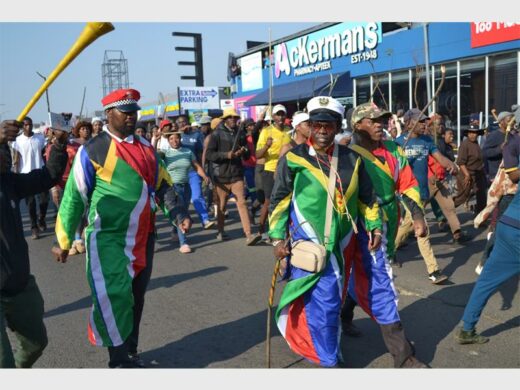
Residents described a sense of fear and vulnerability, as groups moved through neighbourhoods identifying alleged hotspots linked to foreign nationals and criminal activity.
In some instances, this led to confrontations and acts of intimidation, further unsettling communities.
Law enforcement agencies, including SAPS and private security personnel, maintained a strong presence throughout the day and into the night. Authorities remained on high alert, monitoring developments closely to prevent further escalation and to ensure the safety of residents and property.
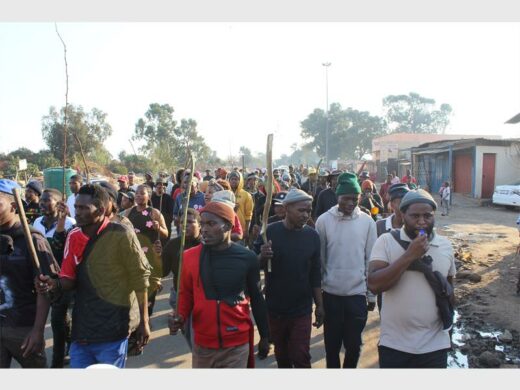
ALSO READ: WATCH: Delville becomes next flashpoint for marchers
However, beyond the immediate disruptions, the march has sparked a broader and more concerning conversation around identity, belonging, and misinformation.
Community leaders and observers have raised alarm over the growing narrative that is blurring the lines between foreign nationals and South African citizens.
Reports have emerged of individuals being labelled as “foreign” based solely on their language, accent, or appearance.

This has deepened divisions within communities that have long been diverse and interconnected.
“We are seeing a dangerous shift where people are judged not by their actions, but by how they speak or where they are perceived to come from. This creates fear not just for foreign nationals, but for South Africans as well,” said a resident from Limpopo.
ALSO READ: WATCH: Protest marches disrupt Germiston economy as shops close and police monitor key hotspots
The uncertainty surrounding the march’s true intent has also fueled debate. While some participants maintain that the protests were aimed at addressing crime and economic exclusion, others question whether underlying tensions are being misdirected toward vulnerable groups.
As calm slowly returns, the psychological impact of June 30 remains evident. Many residents continue to feel uneasy, unsure of what may happen next. Parents worry about their children’s safety, business owners hesitate to fully reopen, and communities grapple with rebuilding trust.
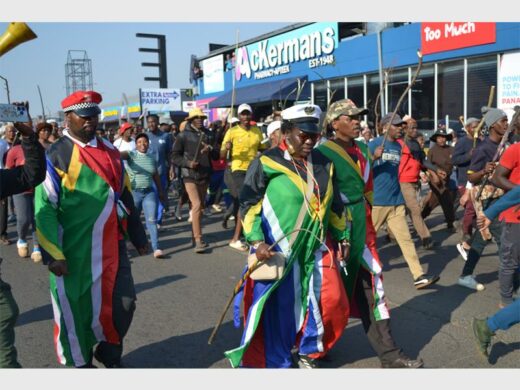
Local authorities and community organisations are now calling for dialogue, urging residents to address concerns through lawful and constructive means.
There is also a growing call for clarity in messaging to prevent further misunderstandings and to protect social cohesion.
The events of June 30 have highlighted the fragile balance within communities already facing economic and social pressures. Moving forward, restoring a sense of safety and unity will require collective effort, honest conversations, and a commitment to ensuring that frustration does not turn into division.