
Eskom gives tips on warming up your home this winter
Insulation is the single most important factor when it comes to heating a home. An insulated room requires 51% less energy than an non-insulated room. Insulating your home’s ceiling is the simplest and most effective way to prevent the warm air generated by the heaters from escaping
During the winter months, when parts of South Africa get very cold, Eskom shares these simple tips to help keep your home warm and cozy.
Even in the absence of load shedding, every household has a duty to choose a heating option that will help keep the house warm and cozy without breaking the bank.
So, what is the most energy-efficient and appropriate heating option for your home? Understanding the various heating options will help you make an informed decision about how best to keep your house warm while still being energy-efficient.
“Even though Eskom is confident it can keep the lights on without implementing load shedding this winter, adopting the most efficient heating solutions will make everyone a winner by the end of the winter, particularly during these tough times where the Covid-19 pandemic has had the effect of reducing, or eroding incomes because of the lockdown,” Mr Sikonathi Mantshansha, Eskom spokesman, said.
• Insulation is the single most important factor when it comes to heating a home. An insulated room requires 51% less energy than an non-insulated room. Insulating your home’s ceiling is the simplest and most effective way to prevent the warm air generated by the heaters from escaping
• Only heat the rooms that you and your family are going to spend time in.
• Close exterior windows to contain energy and inter-leading doors to rooms not needing heating.
Underfloor heating
According to energy experts, underfloor heating is the most ineffective way to heat your home. In homes without roof insulation, underfloor heating will lose the battle against the cold.
Wall-mounted heaters
Most wall-mounted heaters are low in heating capacity and for them to heat up a room to a comfortable temperature requires them to be left on for a long time.
Gas vs electric heaters
Then there’s the battle of the heaters, whilst many people use gas heaters, they aren’t necessarily more effective than electric heaters. Given the cost parity of bottled gas versus electricity, and the frequency at which one has to replace the gas bottles, electric heating is more convenient and controllable. The one advantage of gas heaters is that they have the ability to give off heat at higher heating capacity rates and can warm a room almost immediately but remember you pay for the rate at which heating energy is produced. Should you only have an electric heater, then ensure that you insulate the room by closing windows, blocking all possible draughts coming through and once the room is warm, switch it off and use only what you need.
Oil heaters
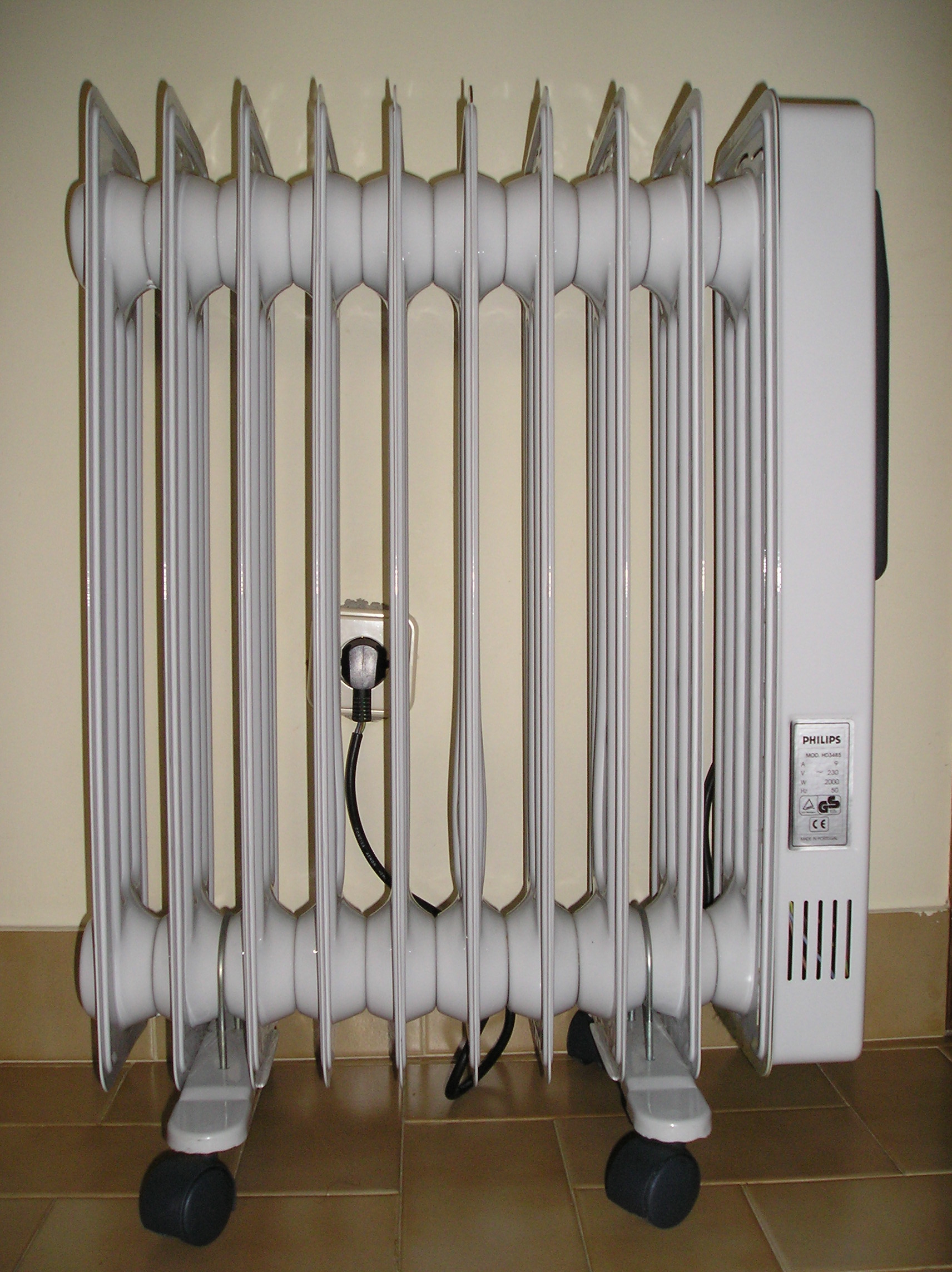
When looking at options to heat your home this winter, one of the options to consider is an oil heater equipped with a thermostat. Oil heaters are most effective in contained spaces such as a single room. Open-plan living areas are simply too big for an oil heater to make a real impact.
Fan heaters
A typical fan heater is another option to consider. Fan heaters provide heat and comfort immediately and they can be directed to where the hot air is most needed.
Air-conditioner
An air conditioner with a heating cycle can be very effective and cost efficient. Typically, an air conditioner would use about half the power of an electric heater.
Wood-fired heating
Of course, of all these heating options, none beats the old fashioned fire place, fuelled by wood. Over time wood always works out to be the cheapest heating option when covering the biggest spaces.
Consider your needs, your room, your budget and your energy costs when deciding how to heat up your home. The right choice will mean you’re warm and cosy and safe – without blowing your budget.