Know your rights on SA roads: emergencies, roadblocks and traffic fines explained
Understand your rights when stopped at a roadblock or rushing a patient to hospital under South African law.
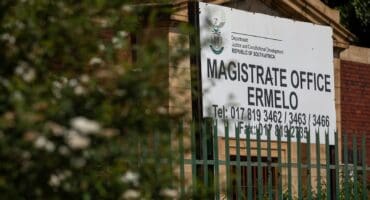
Ermelo examples: When roadblocks and emergencies collide
-
Example 1: A 12-year-old learner suffered a seizure while writing exams. Her uncle and two accompanying teachers rushed her to Ermelo Mediclinic. At a checkpoint near Pick n Pay, traffic officers pursued them despite the medical emergency. Upon arrival at the hospital, the uncle was pepper-sprayed in the emergency room and later arrested.
-
Example 2: Another mother rushing her ill three-year-old son to hospital was stopped at a roadblock for unpaid fines. Despite explaining the urgency, she was initially required to pay before continuing, delaying the child’s admission.
In both cases, families report feeling unsupported, and officers’ handling of the situations added to the distress.
Questions arising from officer actions during emergencies
The recent Ermelo incidents highlight situations where motorists were transporting sick children to hospital and officers enforced traffic regulations. While the Highvelder reports facts without assigning blame, several questions emerge regarding procedure and constitutional rights:
-
Emergency prioritisation:
In the first incident, the uncle stopped at the roadblock and explained that his niece was experiencing a seizure. He prioritised her immediate medical care over remaining at the checkpoint.-
Could the officers’ decision to pursue the vehicle, and the use of force inside the hospital, be considered consistent with reasonable, lawful, and proportionate enforcement under Section 36 of the Constitution?
-
What are the official guidelines for officers when a motorist indicates they are attending to a life-threatening medical emergency?
-
-
Administrative fines during medical emergencies:
In the second incident, a mother rushing her three-year-old son to hospital was, according to her, required to pay outstanding traffic fines before being allowed to continue.-
Under South African law (AARTO and related legislation), motorists do not have to pay spot fines immediately and may pay later or contest them in court.
-
How are officers instructed to balance traffic enforcement with the need to ensure timely access to medical care?
-
Are there procedures to prevent administrative requirements from delaying urgent hospital admission?
-
-
Use of force and de-escalation:
-
What steps are officers required to take to de-escalate situations at roadblocks or checkpoints, particularly when a medical emergency is involved?
-
Are there protocols for using force inside medical facilities, and were they followed in these cases?
-
These questions are aimed at clarifying procedure, training, and safeguards for both motorists and traffic officers during emergencies, without making any determination of fault.
Highvelder has reached out to the Department of Community Safety, Security and Liaison on two occasions for comment, but the spokesperson, Moeti Mmusi, has not yet responded.
What the NRTA does not provide for private vehicles in emergencies
Law Reference: National Road Traffic Act 93 of 1996, Sections 58(3) & 60
-
Only authorised emergency vehicles — ambulances, fire-rescue, and police vehicles, may disregard traffic signs or exceed speed limits.
-
Ordinary private vehicles transporting sick passengers do not have legal exemptions, and must obey road signs and stop at roadblocks.
-
While drivers may explain a medical emergency, officers are not legally compelled to allow passage, discretion is voluntary.
What you are not allowed to assume:
-
That you can speed through a roadblock or ignore stop signs.
-
That officers must automatically let you pass because it’s an emergency.
Spot fines and roadblock fines — what the law allows
Law References: Administrative Adjudication of Road Traffic Offences Act 1998 (AARTO), Sections 2 and 16; Criminal Procedure Act 51 of 1977
-
Spot fines: Officers may issue fines for traffic offences during roadblocks.
-
Payment is not mandatory immediately: You can pay later or contest the fine in court.
-
Officers must not:
-
Coerce immediate payment
-
Withhold licences or vehicles to force compliance
-
Threaten or intimidate you to settle unrelated fines
-
Practical tip:
-
If stopped while rushing to hospital, document the interaction (photo, video, witnesses) for evidence if disputes arise later.
Constitutional rights — protecting you and the patient
Law References: Constitution of the Republic of South Africa, 1996, Sections 10, 11, 12, 27(1)(a), 33, 36
Your key rights
-
Right to life (S11): Timely medical care is vital.
-
Right to emergency medical treatment (S27(1)(a)): Everyone has access to urgent healthcare.
-
Right to freedom and security of the person (S12): Protects against assault, arbitrary detention, and coercion.
-
Right to human dignity (S10): Protects against degrading treatment.
-
Right to administrative justice (S33): State actions must be lawful, reasonable, and fair.
Limits on rights (S36 – reasonable and justifiable limitations)
-
Rights are not absolute; restrictions must be lawful, reasonable, and proportionate.
-
Example: Traffic officers may enforce the law but cannot unreasonably endanger life or prevent emergency medical care.
Practical tips for drivers in emergencies
-
Stay calm and communicate: Clearly explain the medical emergency to officers.
-
Carry proof: Doctor’s note, hospital referral, or EMS contact details.
-
Document the interaction safely: You may photograph or video officers at public roadblocks, but do not block, harass, or interfere. Exceptions apply in National Key Points, private property, or other restricted areas.
-
Prioritise the patient: Obey traffic rules where possible, but saving a life takes precedence. Discretionary enforcement by officers can help if calmly explained.