Alarm raised over illegal gillnetting and roadside fish sales in Chrissiesmeer
Authorities warn illegal gillnetting and unlicensed fishing continue to endanger fish stocks despite ongoing enforcement and public awareness efforts.
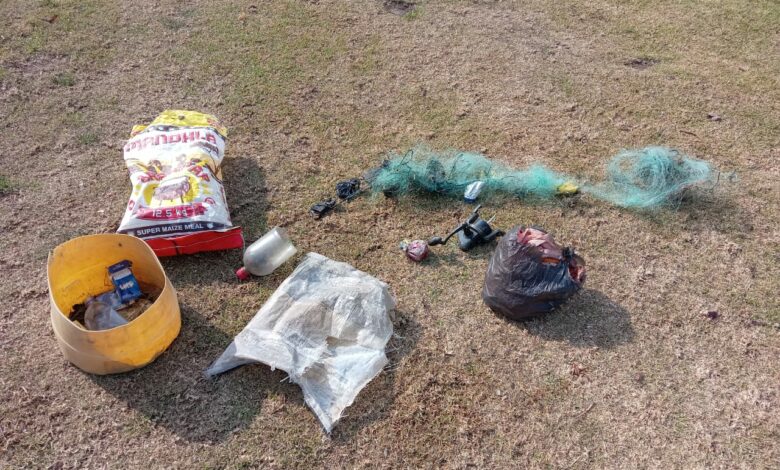
CHRISSIESMEER – Illegal gillnetting has once again become a growing concern at Lake Chrissiesmeer, with residents and conservation groups warning that the practice threatens fish populations and the area’s fragile wetland ecosystem.
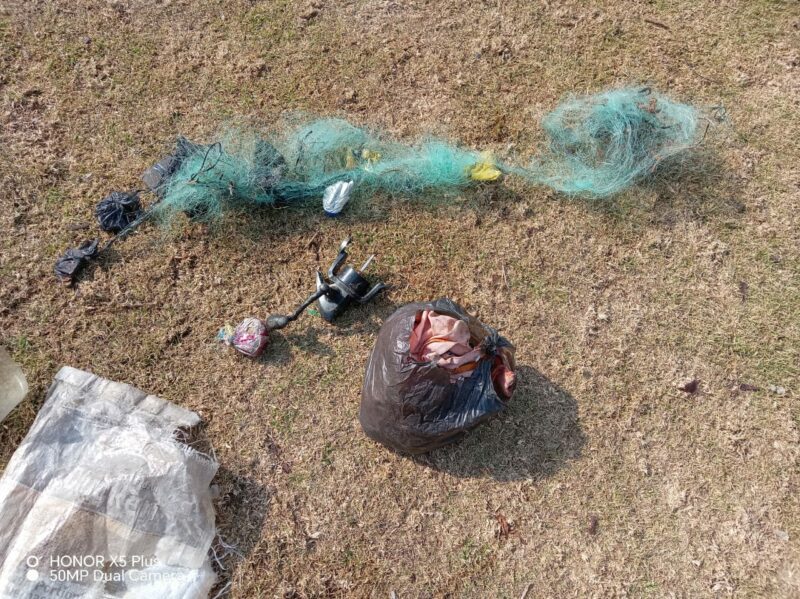
Recent reports of fish allegedly being sold along roads around town, together with the confiscation of illegal fishing nets by the Chrissiesmeer AfriForum Neighbourhood Watch, have renewed calls for stronger enforcement.
Mpumalanga Tourism and Parks Agency regional compliance officer Johan Coetser said illegal gillnetting remains one of several conservation offences officials face.
Coetser reminded anglers that anyone aged 16 years and older must possess a valid fishing licence when fishing in public waters, while several fishing methods, including the use of nets without the required permits, are prohibited under the Mpumalanga Nature Conservation Act.
| Section | Description |
|---|---|
| Section 52 – Closed seasons | Closed seasons may be declared for specific areas to protect fish populations during vulnerable periods. |
| Section 53 – Catching fish other than by angling | Fish may not be caught by methods other than angling without the necessary permit. This includes the use of nets, bows and arrows, and similar methods. |
| Section 54 – Permissible fishing tackle and bait | Anglers may use a maximum of two fishing rods, each fitted with no more than two hooks. Only fly-fishing tackle may be used in declared fly-fishing waters. |
| Section 55 – Possession of nets or traps | The possession of fishing nets or traps requires a permit, except in circumstances provided for in the Act. |
| Section 56 – Angling without a licence | Anglers aged 16 years and older must possess a valid fishing licence when fishing in public waters. Certain exemptions apply, including owners of private dams, specified relatives and full-time employees acting with the owner’s written permission. |
| Section 57 – Exemption to catch or sell fish | A permit is required where exemptions to catch or sell fish apply. |
| Section 58 – Permission necessary to catch fish | Permission from the owner or occupier is required before fishing in waters situated on private property. |
| Section 59 – Entering upon land with fishing tackle | No person may enter private land with fishing tackle without the permission of the owner or occupier. |
| Section 60 – Placing obstructions in waters | It is prohibited to place obstructions in water that prevent the free passage of fish or involve cutting or damaging dam walls. |
| Section 61 – Placing certain objects in waters | Objects that may create a danger in the water or act as markers for bait or fishing activities are prohibited. |
| Section 62 – Placing or releasing fish in waters | Fish may not be introduced or released into waters without the required permit, except where allowed under the Act. |
| Section 63 – Sale of live freshwater fish | The sale of live freshwater fish requires a permit. |
| Section 64 – Import of live fish | A permit is required to import live fish. |
| Section 65 – Fly-fishing waters | Certain waters are designated as fly-fishing waters under Schedule 9 of the Act. The Provincial Government may amend the list of designated waters by notice in the Provincial Gazette. |
| Section 66 – Receipt, possession or handling of fish | It is an offence to receive, possess or handle fish known to have been caught illegally, or where a satisfactory explanation for possession cannot be provided. |
| Section 67 – Pollution of waters | It is an offence to pollute water or allow pollutants to enter watercourses. |
| Section 68 – Prohibited acts relating to certain aquatic plants | The possession, sale, import or other prohibited activities involving listed aquatic plants are regulated under the Act. |
Residents and conservation groups hope increased public awareness, reporting of illegal activities and stronger enforcement will help safeguard one of Mpumalanga’s most important freshwater ecosystems.
Read the complete article in Highvelder’s printed edition.