
Ermelo amateur photographer captures diverse birdlife through lens
A passion inherited from his grandfather continues to inspire one resident's growing collection of nature images.
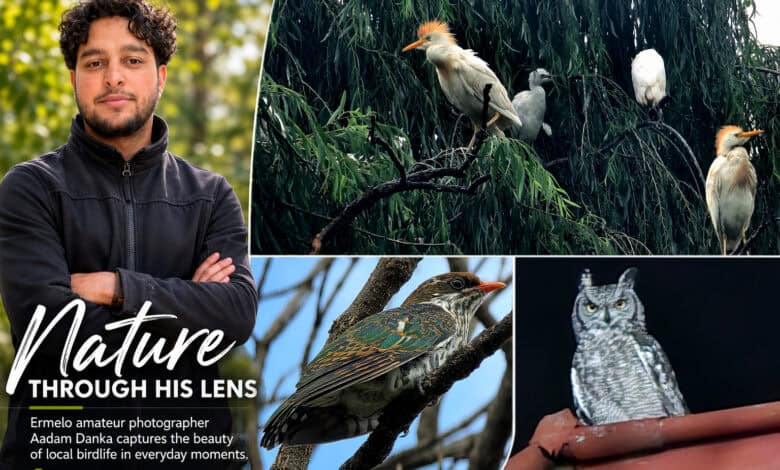
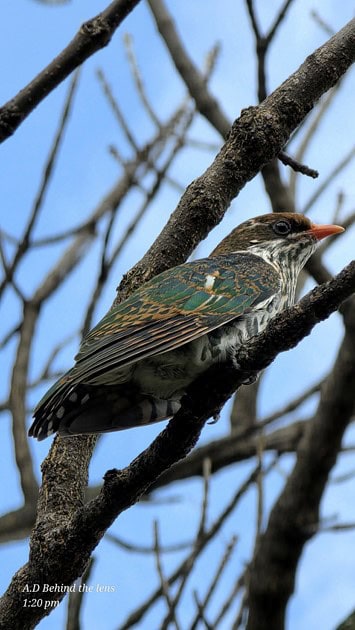
ERMELO – A rare juvenile Diederik cuckoo sighting has become one of several bird photographs captured by local amateur photographer Aadam Danka, whose growing portfolio showcases the diverse birdlife found in and around Ermelo.
Danka said the sighting occurred at his home when he noticed an unfamiliar bird call coming from a tree in his front yard.
Upon investigating, he discovered a vividly coloured bird he had not seen before.
After researching the bird, he identified it as a juvenile Diederik cuckoo and managed to capture a photograph of the unusual visitor.
He described the encounter as a memorable experience and another rewarding moment in his journey as a photographer.
Danka is an amateur photographer with a strong interest in birds, wildlife and architecture.
He told Highvelder that his passion for photography was first sparked by his late grandfather, Essop Ahmed Gathoo (Joe), whom he recalls assisting with photography during his childhood.
“I remember helping him with his photography when I was little, and now I hope to carry on his legacy,” Danka said.
While birdlife and wildlife remain his preferred subjects, he also enjoys photographing architectural scenes, combining a curiosity for the natural world with an appreciation for design and structure.
The juvenile Diederik cuckoo photograph forms part of his growing collection of wildlife images, reflecting his interest in capturing everyday moments in nature as they unfold in his immediate surroundings.
Photo Fact: Spotted Eagle-Owl (Gevlekte Ooruil)
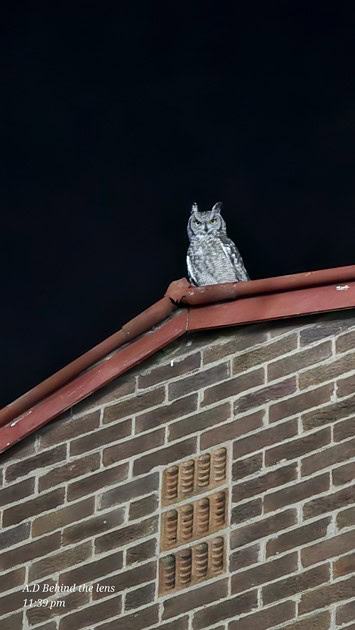
This Spotted Eagle-Owl (Bubo africanus) on the rooftop showcases why it is one of southern Africa’s most successful and adaptable raptors. With its striking yellow eyes, prominent ear tufts and mottled grey-brown plumage, it is a master of stealth.
Primarily nocturnal, these owls hunt by swooping silently on insects, small mammals, birds, reptiles and even the occasional snake. They thrive in diverse habitats, from savannas and woodlands to suburban gardens and rooftops, making them a common sight even in towns.
Pairs often mate for life and roost together, engaging in mutual preening. Their deep, booming hoots are a familiar sound after dark and they will sometimes call in a duet.
As natural pest controllers, they provide a valuable service by helping to keep rodent populations in check.
Did you know? Owls’ skulls and ear openings are asymmetrical, creating a highly precise biological 3D acoustic scanner. Because one ear is positioned higher and faces a different direction than the other, sounds reach each ear at slightly different times and volumes, allowing the owl to determine the exact direction and distance of potential prey.
Information supplied by local ecologist Shobie Arnoldi.
Photo Fact: Young Cattle Egrets (Bosluisvoëls)
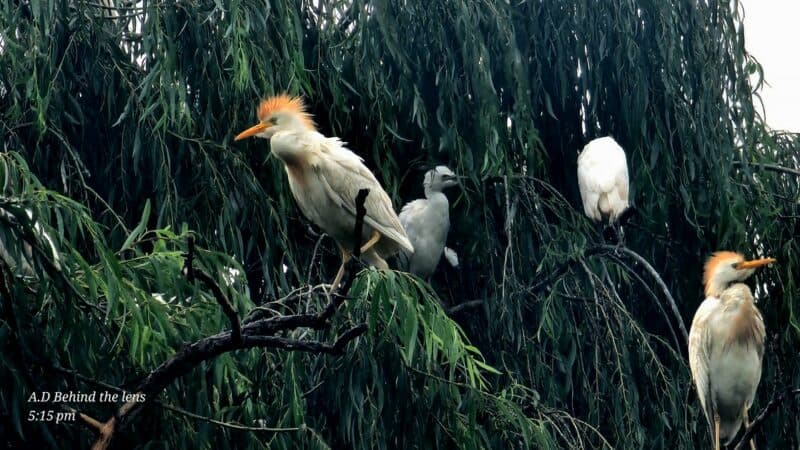
These fluffy youngsters in a willow tree highlight the sociable nature of the Cattle Egret (Bubulcus ibis), known in Afrikaans as the Bosluisvoël. With their distinctive orange-buff breeding plumes and bright bills, adults and juveniles often gather in noisy colonies near water or in trees.
Originally native to Africa, these adaptable herons are famously found foraging alongside grazing cattle and other large animals, feeding on insects disturbed by their movement. This clever partnership earned them their common name.
Cattle Egrets have expanded across much of the world and now thrive in pastures, wetlands and farmlands. Breeding colonies can be bustling and competitive, with parents feeding chicks a diet rich in grasshoppers and other invertebrates.
Their presence is often an indication of healthy insect populations and vibrant ecosystems. The next time you see a group of white birds trailing livestock, remember that they are hardworking partners in nature’s own pest-control system.
Information supplied by local ecologist Shobie Arnoldi.