Spread the word this International Deafblind Awareness Week
International collaboration, coupled with more funding support, will ensure that these and other promising treatments are brought to South Africa.
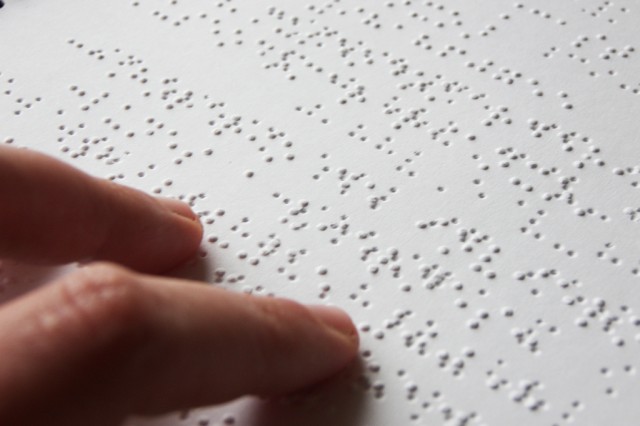
INTERNATIONAL Deafblind Awareness Week starts on 27 June.
Usher Syndrome is one of the most common causes of deaf-blindness and this genetic disease is sadly under-diagnosed in young children.
Children who are born with severe or profound loss of hearing are generally not checked for retinal visual loss and inadequate preparation is made to allow for later loss of vision.
Usher Syndrome occurs in three distinct forms with type one being the most profound deafness. The good news is that clinical trials are under way to replace a defective gene – the MYO7A gene – with a working copy of the gene in patients affected by Usher Syndrome type one.
Retina South Africa, the patient action group for people with genetic retinal degenerative conditions, has partnered with the University of Cape Town to identify Usher patients who may benefit from this new era of future treatments.
Usher type two and three patients are also encouraged to contact Retina South Africa, which will facilitate gene testing to identify the precise gene causing Usher Syndrome deaf-blindness.
International collaboration, coupled with more funding support, will ensure that these and other promising treatments are brought to South Africa.
Claudette Medefindt, Head of Science for Retina South Africa, said, “Of the estimated 8 000 people in South Africa affected by Usher Syndrome, a mere handful are registered with our foundation. Thirteen different gene mutations have already been associated with the three types of Usher Syndrome and a genetic diagnosis is the first step towards future treatment.”
For more information, visit www.retinasa.org.za or call the helpline on 086 059 5959.