
Tips to create a stress free classroom
The director of the Ethelbert Child and Youth Care Centre shared her wealth of knowledge on how to create a pleasant classroom environment for learners and educators.
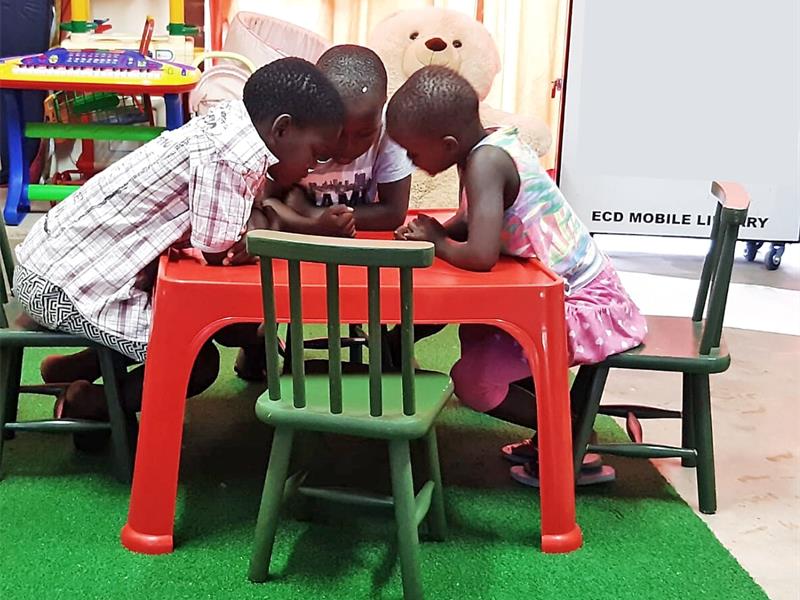
WITH the after effects of the nationwide lockdown and the beginning of the second wave of Covid-19 infections, worry about the 2021 academic year has become a large concern for many educators and parents.
The Highway Mail spoke to the director of the Ethelbert Child and Youth Care Centre, Vanessa Theophilus, to find out a few top tips on how to create a pleasant classroom environment for children.
“The anxiety, fear of the unknown and pressure to complete the 2021 academic year will be foremost in everyone’s mind. The priority is for parents and educators to support each other for the benefit of all our school going children,” said Theophilus, who has invaluable experience in the education sphere.
Establish rules and routines in the classroom:
Theophilus noted this would set the tone for the year ahead and would help create a sense of security for the children as it created firm boundaries, routines and a structure.
“Each educator should already have a set of rules and routine in mind that they would like to establish in their classroom. However, work with the learners to develop some of the rules,” she said.
ALSO READ: Off grid water on horizon for Ethelbert child centre
Be predictable:
“Ensure that you follow through with rewards and consequences. If you say it, mean it. And if you mean it, say it,” said Theophilus.
Be aware and be patient:
She urged educators to create a culture of mutual respect by being kind and supportive but to remain their educator.
Avoid resorting to punitive measures:
The director of the NPO said this would create unnecessary stress in the teaching and learning environment for both the learner and the educator.
Avoid public confrontation:
“Instead of confronting misbehaviour in front of the whole class say something like ‘You and I will talk about this later’. In this way you can still address the issue while allowing your learner to save face,” Theophilus.
Identify learners with challenging behaviour:
She urged educators to identify the trouble before it started and diffuse the situation earlier.
“Everyone has a better side. Try your utmost to appeal to that better side of the troubled learner in your class for the benefit of the other children and yourself,” she said.
Find ways to make challenging learners into helpers:
This would help the learner feel accepted and useful and create a better connection.
Look beneath the surface of a learner’s behaviour:
Find the root of their problem.
“I have never met a learner that doesn’t want to be successful. If they are misbehaving it is kind of like when a baby cries; there is something wrong in their world,” she said.
Caxton Local Media Covid-19 reporting