
Dignity in Every Home campaign gets underway
The Dignity in Every Home campaign is a national initiative focused on strengthening awareness of domestic workers’ rights.
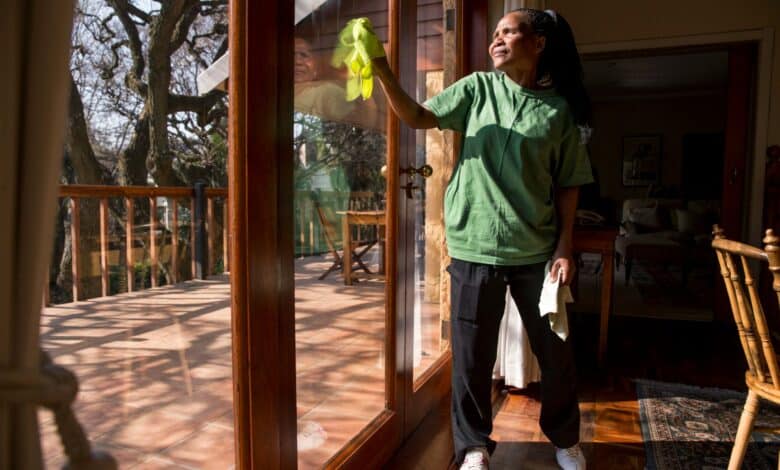
WITH the month of May being Workers’ Month, and May 1 being Workers’ Day, a campaign has been launched which encourages employers of domestic workers to promote safe, fair, lawful and respectful working conditions.
The Dignity in Every Home campaign is a national initiative focused on strengthening awareness of domestic workers’ rights and supporting employers to create trusting, fair, safe, dignified and lawful home-work environments.
The campaign, which aims to shift everyday practices by providing practical, legal and easy-to-follow guidelines for employers of domestic workers, is being run by Izwi Domestic Workers Alliance, the Socio Economic Rights Institute of South Africa (SERI), the United Domestic Workers of SA (UDWOSA) and the SA Domestic Service and Allied Workers Union (SADSAWU).
The campaign includes three resources, entitled “Are You A Fair Employer?”, “Code of Good Conduct for Accommodating Live-In Domestic Workers” and “Employing a Domestic Worker – A Legal and Practical Guide”, which provide clear guidance for employers and domestic workers, focusing on a range of issues including, but not limited to, dignified accommodation, fair pay, working hours, leave, dismissal procedures, and mandatory registration for the Unemployment Insurance Fund and Compensation Fund for Occupational Injuries and Diseases.
These resources assist employers of domestic workers to have clear agreements and respectful working relations, which create security for workers and peace of mind for employers, so helping households function with dignity and care.
Amy Tekie, co-founder of Izwi Domestic Workers Alliance, said some employers assume that employing a domestic worker is an informal arrangement – even a favour to the worker – while at the same time depending on these women and men to do the most intimate and precious work of caring for our children, our elderly, and our homes.
Also read: Only weeks left to support Slipper Day
“As employers, we must understand the responsibility we take on when inviting someone to work in our homes. A cleaner or nanny must have the same labour rights we expect from our own employers,” said Tekie.
“Domestic workers in homes are often working 14-hour days, living apart from their families, and earning well below minimum wage. Workers are regularly bullied, assaulted, and treated with blatant discrimination. This happens behind the closed doors of private homes. It is now time for us to talk about this as a society, to admit that these practices are unconstitutional yet widespread, and to ensure that things change.”
Tekie explained that the resources shared in this campaign will help employers to easily identify where there may be gaps in their employment agreements, how to address the mandatory government registration requirements, and how to handle tricky situations.
“Fair and respectful working conditions create stability, protect employers, allow workers to thrive, and are a fundamental building block of our nation’s social prosperity,” she said.
She added that when you employ a domestic worker, your home becomes a workplace and you are legally required to know, understand, and comply with labour law requirements. Fair employment is not only a legal requirement; it helps build better working relationships.
For more information
On promoting fair, lawful employment in private homes, visit: https://www. dignityineveryhome.org.za/
If you have questions, email: info@izwi.org.za
You can follow the Dignity in Every Home Campaign on Facebook or Instagram
For more from the Highway Mail, follow us on Facebook , X and Instagram. You can also check out our videos on our YouTube channel or follow us on TikTok.
Click to subscribe to our newsletter here