Durban therapists share myths about pain and managing it
Chronic pain is part of your story, not the whole plot. Discover practical pain-management strategies and advice from Durban therapists.
SEPTEMBER is International Pain Awareness Month. It’s a reminder that one out of five South Africans live with chronic pain and that it’s more than constant discomfort, it’s a deeply personal experience that can reshape one’s life. Seeking help is often exhausting and costly, with revolving-door healthcare and repeated solutions that don’t bring lasting relief.
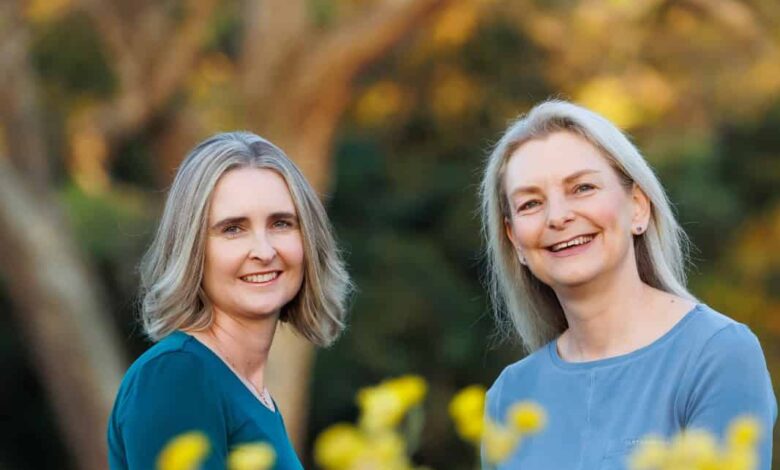
Caxton Local Media spoke to Helen Roome, a Durban occupational therapist who provides online specialised whole-person care for chronic pain and fibromyalgia self-management, and has hosted a local fibromyalgia support group for 10 years.
Also read: Occupational therapist sheds light on Fibromyalgia
She is also a co-founder, along with physiotherapist, Juli-Ann Riley, of R&R Pain Solutions. Together they offer small group courses and events teaching people living with chronic pain to manage pain better themselves.
The duo said there are many more ways to manage pain effectively, especially through self-management strategies that put you back in control.
Pain myths vs facts
“There are five important things about pain that change everything. Pain isn’t always damage. You can feel pain without injury (like a headache) and have injury without pain (like a bruise you didn’t notice). Pain intensity also doesn’t match damage extent, it’s shaped by your biology, context, lifestyle and past experiences. This makes your pain personal and unique,” said Roome.
According to the occupational therapist, pain is a whole experience. It’s never just a sore back or burning feet.
“Pain brings fear, anxiety, and depression. It disrupts sleep, work, movement and social life. These challenges don’t just follow pain; they also fuel it and create vicious cycles.”
She also mentioned that pain is protective.
“Pain warns you of threats, whether physical (injury, illness, inflammation) or psychological (stress, trauma). It’s your body’s alarm system, designed to keep you safe.”
Roome stressed that pain can become overprotective.
“Acute pain protects you while healing, but when pain lasts beyond three months, it becomes chronic and limiting. Often this is nociplastic pain, a kind of pain where the nervous system is overly sensitive and misinterprets signals, keeping you stuck in pain long after the threat has passed or tissues have healed.
Also read: Occupational therapist pens her first book
“Pain can change. In chronic nociplastic pain, the nervous system isn’t damaged but oversensitive. Pills and procedures may help less here, while lifestyle and self-management strategies, practised daily, can retrain your system and restore your sense of control.”
Changing your pain
“Chronic pain isn’t fixed and that’s empowering. Thanks to neuroplasticity and bioplasticity, your nervous system and body can change. The same nervous system that became oversensitive to produce nociplastic pain, can restore to less sensitive settings again,” said Riley,
Since it’s about changes and not damage, she said pain is less responsive to pills or procedures.
“That’s where self-management comes in. Self-management is about gaining knowledge and skills to understand your pain and practise proven lifestyle-based strategies such as sleep hygiene, graded activity and mind-body techniques that let you ease pain and reclaim your life.”
According to the duo, there are many tools for your pain self-management toolkit. Roome and Riley suggest you start here:
1. Reframe pain with science. Accurate knowledge opens new treatment options. Seek out healthcare practitioners who are pain-informed and members of organisations like PainSA.
2. Reign in fear. Fear of pain fuels avoidance and limits life. Stay present, move regularly and seek psychological support to break that cycle and bring more peace.
3. Remember resilience. Your body is more robust than it feels and you are able to adapt and change throughout life.
4. Reach out for support. Self-management is doing for yourself but doesn’t mean doing by yourself. Pain-informed practitioners and peer groups can guide and support you.
5. Routinise wellness. Daily lifestyle habits form the foundation of successful pain self-management.
Benefit from R&R pain expertise and peer support in a 6-week online group course starting Tuesday, October 6. Sign up here: info@rnrpainsolutions.co.za
For more from the Highway Mail, follow us on Facebook , X and Instagram. You can also check out our videos on our YouTube channel or follow us on TikTok.
Click to subscribe to our newsletter here