WHAT does hair have to do with education anyway?
I always asked myself this in high school when a countless number of boys would be ostracised for having a trendy hairstyle (or looking like they have one), long fringes, undercuts, dyed hair, hair going over the ears, having hair that’s too “curly”. And the funniest one I heard from an old friend at my alma mater was how boys were not allowed to shave their heads completely bald – which was confusing to me because boys with ‘2C’ (African hair) like mine, weren’t left with a lot of options.
ALSO READ: New year, new me?
The most frustrating aspect of the restriction of hair in schools is that children who were punished for their hair at school carry that trauma to the work place.
School rules and culture can easily have a serious effect on a learner’s self esteem – especially for black, Indian and coloured children who go to former model-C schools. These schools always have a tough line policing the hair of learners who aren’t white. The Pretoria Girls’ High School saga/protest is a perfect example.
The protest even reached international news and was accompanied by intense discourse from the rest of the country on social media, which saw former learners at similar schools share their traumatic dealings with teachers who don’t understand their cultures and hair.
ALSO READ: Create some magic in 2020
Culture plays a huge part in how our hair looks and our identity which is why I think it’s problematic when schools take that away from learners.
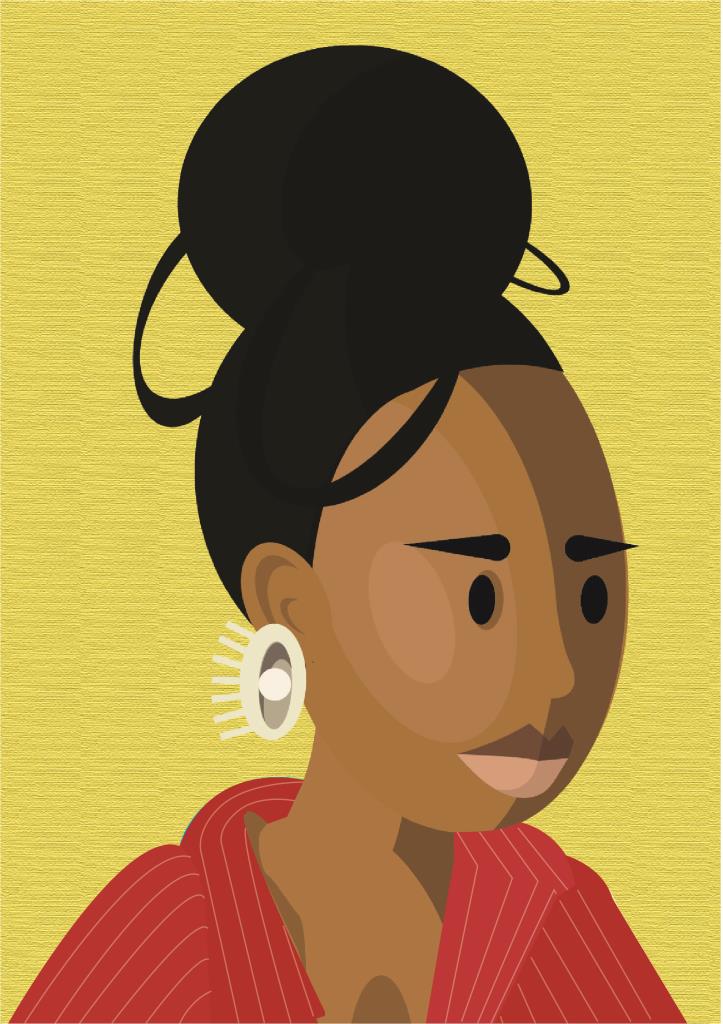
On social media recently, a picture of a learner from a high school in Krugersdorp was posted and similarly to the Pretoria Girls’ protest, there were a lot of hot takes. The picture is a side angle of a young girl with brown braided hair. The school sent her home.
A user leaked the said school’s code of conduct and it has a lot of restrictions on how a black learner should have their hair.
The rules are ridiculous and there’s 16 different points on what type of hair a black learner isn’t allowed to have at the school. “No dreadlocks, No Afros, No Poetic Justice braids, No Goddess braids” are just some of the rules on that code of conduct.
A lot of close-minded people argued that “rules are rules” and some of naysayers pointed out the length of the young girl’s skirt. Again, what does her hair and skirt size have anything to with her performance at school?
Racial bias was also mentioned in the discourse and even after Zuleika’s brave protest at Pretoria Girls’, black learners are still subjected to meeting Eurocentric hair standards.
Users on Twitter pointed out how white and Indian girls at their schools weren’t subjected to the same scrutiny as black girls. Are schools to specific when it comes to policing black girls’ hair?
In my opinion, if you scrutinise a young girl’s natural hair from a young age (for example, forcing a black girl to relax her hair) it could easily instill a sense of self-hate in that person and it carries over into the work place and could be projected onto their children one day.

Do you want to receive alerts regarding this and other Highway community news via Telegram? Send us a Telegram message (not an SMS) with your name and surname (ONLY) to 060 532 5409.
You can also join the conversation on Facebook, Twitter and Instagram.
PLEASE NOTE: If you have signed up for our news alerts you need to save the Telegram number as a contact to your phone, otherwise you will not receive our alerts.
Here’s where you can download Telegram on Android or Apple.