Esselen Park housing project exposed over environmental and planning failures
The proposed development was to deliver 7 198 residential units, but the project has failed to meet its objectives due to inadequate oversight and planning.
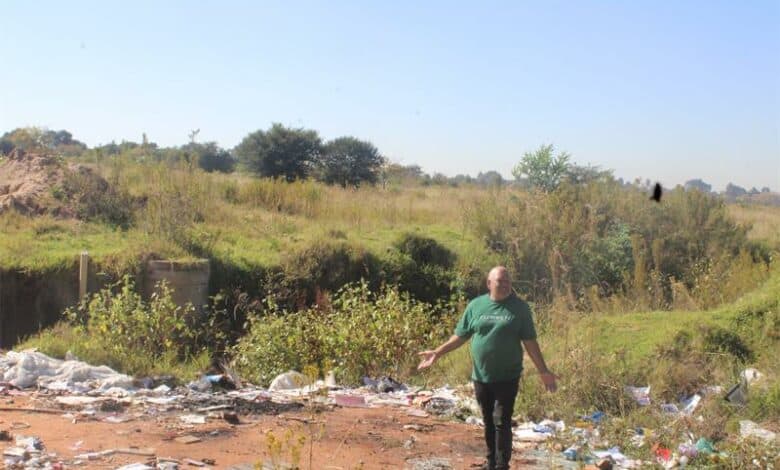
Ward Clr Desmond McKenzie has voiced serious concerns over the CoE’s R2.2b Esselen Park Mega Housing Project, calling it a stark example of poor governance and mismanagement.
The project, launched in 2016, was initially intended to deliver 7 198 residential units, including subsidised and affordable bonded housing.
However, McKenzie said it had failed to meet its objectives because of inadequate oversight and planning.
The Gauteng Department of Agriculture and Rural Development (GDARD) has since suspended the project, citing overlooked environmental concerns during the initial assessments.
One of the key issues raised was the failure of the project’s environmental impact assessment (EIA) to identify a critical wetland on the development site.
ALSO READ: Questions raised for unaccounted funds at Gauteng Social Development
Additionally, the Traffic Impact Assessment (TIA) was deemed insufficient, having dismissed valid objections from residents on both sides of the P91 (R25) route.
McKenzie said the lack of meaningful public engagement further highlighted the city’s failure to consider community input.
“The city has shown a lack of accountability and transparency and has excluded the very communities it claims to serve,” he said.
He has called for interventions, including a comprehensive EIA redone in full compliance with environmental legislation.
McKenzie said a revised TIA that addresses community concerns, particularly traffic flow and safety on the R25, should also be completed.
“Transparent public participation processes will give residents an active voice. There must be clear accountability from the city, including detailed reporting on the project’s planning, implementation, and financials.
“Residents have been left in the dark about this project for far too long. They deserve answers and a housing initiative that improves lives rather than creating more problems,” said McKenzie.
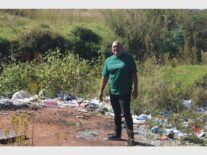
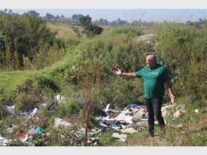
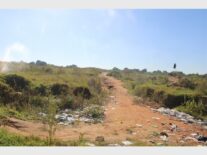
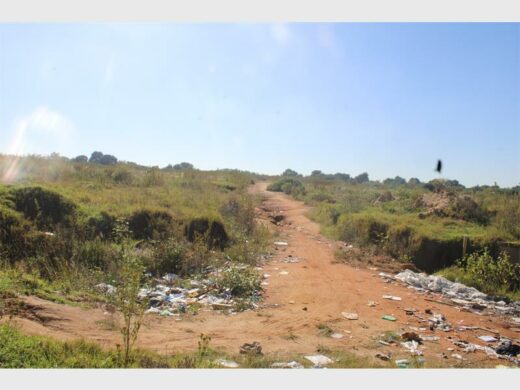
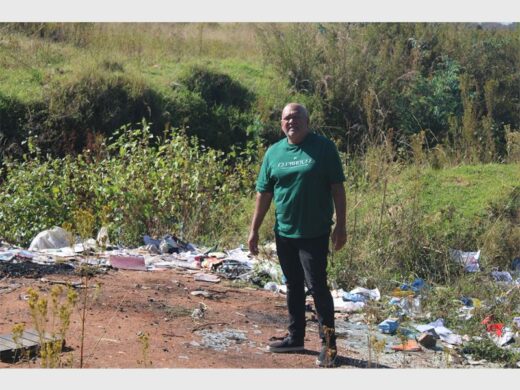
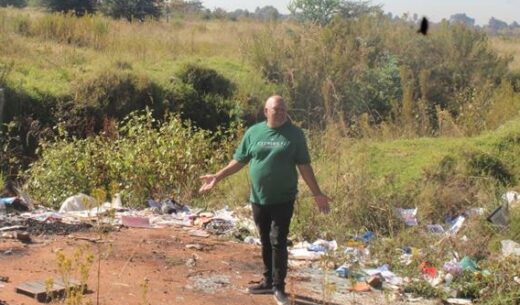
“The area has become a dumping site and a hotspot for criminal activity.”
In response to inquiries from the Kempton Express, CoE spokesperson Zweli Dlamini confirmed that the GDARD rejected an offset rehabilitation plan in November 2024.
The plan had aimed to preserve the current layout and services, but the GDARD requested a township redesign to include a buffer for the newly identified wetland.
ALSO READ: Funding for NPOs finally approved by Gauteng Social Development
“The project is currently on hold as intergovernmental processes are underway to find a resolution. GIBB Consulting Engineers did the original EIA, and environmental authorisation was granted in 2016,” said Dlamini.
He added that the GDARD, as the environmental authority, failed to properly advise the city, causing services based on flawed guidance to be installed.
Due to updated technical studies such as Geotech and EIA, the project yield has dropped from 7 198 to 6 333 units, with a further reduction of about 200 units anticipated.
A complete redesign will involve road closures, rezoning and stand consolidation.
Dlamini stated that although the EIA was previously approved, the GDARD had requested additional amendments, which are being processed.
Meanwhile, Gautrans has approved the TIA, and Dlamini confirmed that the department intends to proceed with the existing traffic studies to avoid fruitless expenditure.
ALSO READ: Curro Clayville introduces Early Childhood Development short course
“The traffic report includes plans for road widening and additional entrances and exits to accommodate increased traffic on the R25,” he said.
Dlamini defended the city’s public participation process, saying the process was done during the town planning and EIA stages.
A project steering committee regularly update the relevant councillors, with the latest update issued on February 13.
He said that once the project resumed, the steering committee, led by the MMC for Human Settlements, would relay information to the public.
“The city has appointed a turnkey developer supported by engineering and project management teams, with oversight provided through regular progress and cash flow reports to ensure transparency.
ALSO READ: Thembisa woman shares passion for youth and social development
“The public is kept informed through councillors on the committee, as per municipal protocol,” said Dlamini.
He reiterated that the project delay stemmed from a revised wetland boundary determined after installation had begun, not from procedural neglect.
Dlamini said the department would, in the future, strengthen verification processes with external bodies and ensure every project included a detailed plan outlining scope, budget and management structures.
The department also plans to appoint its own consultant to monitor the developer’s work and avoid cost overruns.