Debunking the myths of cancer
This year's theme will be a welcome and empowering change which will be used to strengthen the case for preventative measures in reducing the risk of cancer.
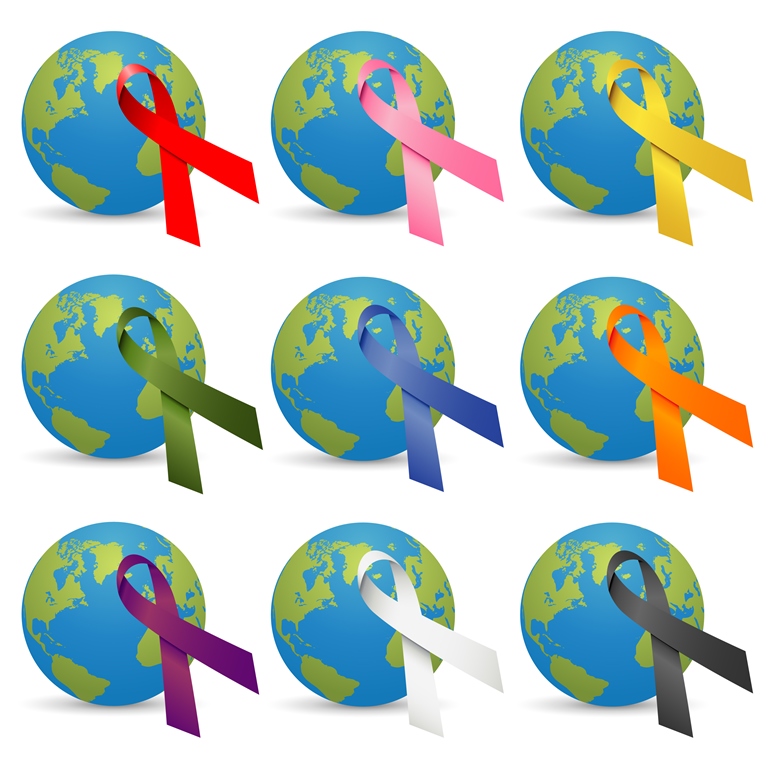
Commemorated annually on 4 February, World Cancer Day’s focus this year is on highlighting and debunking the many myths surrounding the disease.
“Taking a pro-active role in your own health is a big step towards getting rid of the debilitating myths that so often surround cancer and leave people feeling powerless“ — Allison Vienings, the Executive Director of the Self-Medication Manufacturers Association of South Africa.
Allison Vienings, the Executive Director of the Self-Medication Manufacturers Association of South Africa (SMASA) says that this year’s theme will be a welcome and empowering change which will be used to strengthen the case for preventative measures in reducing the risk of cancer.
The day, which was first organised by the International Union Against Cancer in 2005, has since been held every year to create awareness among average citizens about the risk of cancer and the types of treatment available.
Vienings says this year’s theme, ‘Debunking the Myths’ focuses on the basic misconceptions surrounding cancer and one in particular that is close to the heart of the self-medication industry – the fact that there is nothing we can do about cancer.
“Nothing is further from the truth. As an organisation favouring self-help, we are strong proponents of a healthy, cancer-beating lifestyle, and consequently, of disciplined, regular self-checks as a means of early detection.
“Taking a pro-active role in your own health is a big step towards getting rid of the debilitating myths that so often surround cancer and leave people feeling powerless,” she says.
According to worldcancerday.org, the four most common misconceptions people have and which create huge stumbling blocks in the treatment and prevention of cancer are:
• That there is no need to talk about cancer.
• There are no signs or symptoms of cancer.
• There is nothing we can do about cancer.
• They do not have the right to cancer care.
Worldwide, a total of 14,1 million new cancer cases and 8,2 million cancer deaths were reported in 2012, with lung and breast cancer the most commonly diagnosed cancers in 2013, according to Globocan 2013, an international agency for research on cancer.
Globally cancer kills more people than tuberculosis, Aids and malaria combined. In South Africa approximately 100 000 people are diagnosed with cancer every year with a survival rate of 6 out of 10.
One in four South Africans are affected by cancer, with prostate cancer being the number one form of cancer among men and breast cancer being the most common form among women.