
Put a spring in your pet’s step this winter
Eight out of ten South African owners say their pet was walking, running, playing and rising from rest more easily after being fed the right food.
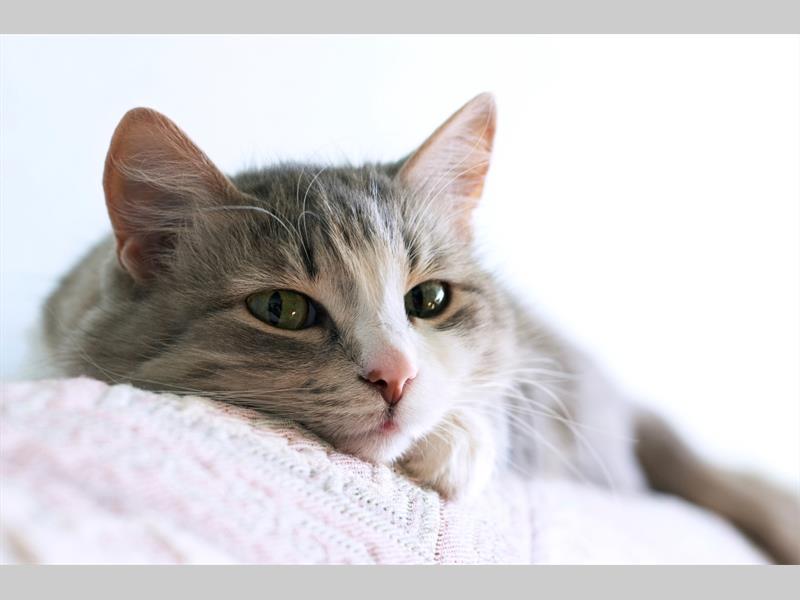
Have your pets lost their bounce this winter?
They may be suffering from arthritis. This painful joint disease is the most common cause of chronic pain in dogs and affects two-thirds of cats 12 years and older. The symptoms – which include stiffness, limping or difficulty rising from rest – are often more evident during colder weather.
Here’s the expert’s plan on how to put the ‘spring’ back in your pets’ step:
Dr Guy Fyvie, veterinary advisor for Hill’s Pet Nutrition, says it’s important firstly to seek a professional diagnosis.
“The vet can prescribe pain relief or anti-inflammatory medication as necessary and also talk through nutrition and lifestyle changes that can help slow down the disease and improve quality of life.”
Being overweight is a big no-no; “Excess weight puts additional strain on the joints and increases inflammation,” says Dr Fyvie.
Maintaining optimum weight should be a priority for all arthritic pets.
Correct nutrition also can make a huge difference. Eight out of ten South African owners said their pet was walking, running, playing and rising from rest more easily after being fed the right food.
Moderate, low impact daily exercise is important – such as walking or swimming.
“Hydrotherapy is excellent because water supports the joints, minimising discomfort.”
Animal rehabilitator Sister Dawn Jones recommends physical rehabilitation: “Massage improves circulation, enhances muscle tone, releases muscle spasm, improves motion and stimulates endorphin release. Ideally, an arthritic pet should be massaged at least once a week and after exercise.”
Keep joints warm. “Heat packs and water bottles should not be too hot,” says Jones.
“An elderly pet with a thin coat may benefit from a jacket in winter.”
Playtime can be painful for arthritic pets.

“Don’t allow boisterous play. Before getting another puppy, consider whether it will be too much for your pet to handle,” advises Jones.
“Food and water bowls at ground level or within easy reach, a soft bed in a draught-free area, a low-sided litter tray and anti-slip mats are all ways to make your home easier for them to navigate.”
For excellent information on managing pet osteoarthritis visit www.hopskipjump.co.za.