
Strawberry quick meth and children – how much do you know?
Investigations so far have revealed there are four flavours, namely strawberry, creme soda, bubblegum and caramel.
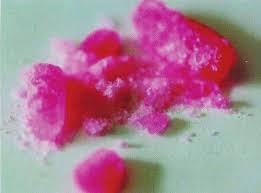
More cases of a drugs thought not to exist in society are being uncovered.
This was revealed recently by Quintin van Kerken from Anti Drug Alliance SA. Strawberry Quick, a combination of sugar, food colouring, flavourants and crystal meth, was thought to be a hoax a few years ago. An investigative journalism programme recently revealed it does in fact exist.
ER24 urges parents to be aware that this drug is said to be very accessible to children. Parents should seek help for children immediately should it be found they have ingested it.
Van Kerken said, “We know it has been in circulation for a number of months and are investigating the proliferation of the drug. We are uncovering more cases almost on a daily basis.
“We have identified a number of schools in Gauteng that have been targeted. In most cases it is sold by dealers posing as sweets vendors outside or in close proximity to primary and high schools.”
Investigations so far have revealed there are four flavours, namely strawberry, creme soda, bubblegum and caramel, with varying amounts of crystal meth.
Symptoms include chattiness, nervousness, dry mouth, dilated pupils, extreme energy followed by chronic fatigue, paranoia, jaw clenching, increased heart rate, excessive sweating, increased libido, and in severe cases hallucinations. Van Kerken urged parents not to allow their children to buy items from street vendors.
“If you believe your child may have ingested this drug, contact us immediately. Wrap the sweet, and we will test it for you,” said Van Kerken.
It is vital to find out where the children purchased the sweet or who gave it to them.
It is a known fact that drugs can affect people in a number of ways and even lead to death.
Explaining further, Dr Vernon Wessels from ER24 said, “Firstly, there is the direct effect of the substance in its usual dosage that can affect the heart, circulation and neurological systems in various ways. Typical with the amphetamines are an increased heart rate, palpitations, sweating, nervousness, possible hallucinations and even convulsions.
“In severe cases such as an overdose, this could cause death,” he said.
Dr Wessels said the second effect is related to the use of drugs, irrespective of the type, and the subsequent addiction. “Sharing needles for intravenous drugs is a common transmission mode for HIV and hepatitis B.
“As the addiction progresses, general health and hygiene are neglected and common infections, for example on the skin and in the respiratory track as well as malnourishment can develop,” he said. Addicts also become easy targets for criminals and therefore have a higher risk of sustaining injury. There is also an increased risk of mental illness.
Children
According to Van Kerken drug use and abuse among school children are increasing at alarming rates. Wessels said children should take note that their organs are not mature yet and the use of drugs could be detrimental to their development.
“Drugs like cocaine are a common cause of heart attacks in the younger population as the drug causes spasms of the coronary arteries. Respiratory depression and convulsions cause secondary damage to the brain and in some cases can be fatal,” he said.
He added that drugs are used mainly for their mind-altering properties. It provides a ‘means of escape from the stresses of daily living and studying’. This comes at a significant cost.
Judgement
Drugs can impact on judgement, resulting in people putting themselves in risky situations. Actions include unsafe sex and criminal activity. The risk of sexually transmitted diseases increases. There is a higher risk of suicide and accidental death when unsafe acts are performed while experiencing hallucinations.
Addiction
Wessels said although physical addiction usually does not develop from a single dose, there is an acceptance that if the first experience was enjoyable there will be another.
“Humans are programmed naturally to seek pleasure and anything that provides this will be pursued. With drugs, physical addiction develops rapidly and addicts find themselves having to use the drugs more often to prevent withdrawal symptoms instead of just the pleasurable experience,” he said.
Van Kerken urged parents to educate themselves about drug use among children and to make sure they know what is happening out there.
For further information on Anti Drug Alliance SA and its services call 081 577 7715 (Gauteng and inland provinces) or 072 400 8239 (Western Cape, Eastern Cape, Northern Cape and KwaZulu-Natal. Alternatively visit www.antidrugalliance.com.
ER24’s Emergency Contact Centre can be reached 24 hours a day on 084 124 for any medical emergency.