
Rate hike first of many … buckle up
The market is stronger than what it was in the immediate aftermath of the 2008 global credit crisis.
The decision of the Reserve Bank’s Monetary Policy Committee (MPC) to increase the repo rate by 50 basis points, taking it to 6,75 per cent (up from 6,25 per cent) and the base home loan rate beyond the 10 per cent barrier to 10,25 per cent (up from 9,75 per cent) comes as no surprise.
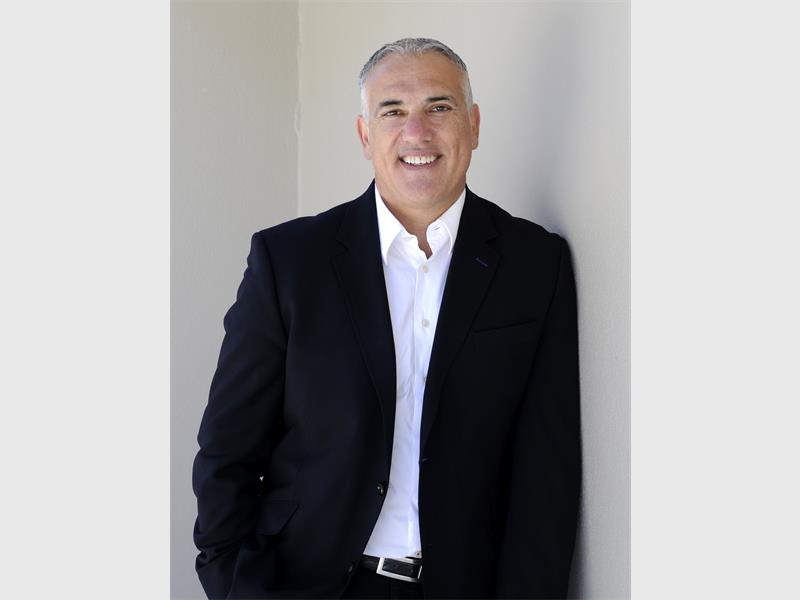
“Consumers should be aware that this is the first of more hikes to follow,” said Samuel Seeff, Seeff Properties group chairperson. Seeff said interest rates could rise by as much as one to three per cent this year, especially in the event of a credit downgrade to junk status.
Although not good news for consumers, it does send a strong message to the international ratings agencies and investors that the Reserve Bank is serious about curbing inflation and protecting the value of the rand.
The market has had some time to prepare for the rate hike and Seeff said consumers should know they are in for a bumpy ride this year and will have to do some serious belt-tightening.
“Basic living and property costs will climb considerably, as will mortgage loan costs. Affordability is going to be the key theme for the property market this year,” said Seeff.
Buyers will be looking very closely at prices and will be driving a hard bargain as they know that the market is getting tougher. The average price growth will deteriorate further and we may even see negative equity growth when we adjust for inflation.
Seeff believes that although the market will absorb the rate hike, there will be a knock-on effect, no doubt. The affordable and middle-income sector will feel the effect most.
Although we do not expect the banks to tighten their lending criteria any further, it will become tougher for first-time buyers. Bigger deposits may well become necessary, which also is not a bad thing for the market as it creates a financial buffer to an extent, he added.
For now though, we still sit with a fairly healthy housing market, packed with plenty of demand. Buyers are still eager and show house attendance still at much higher levels than what it was five years ago.
“This provides some insulation against some of the economic headwinds.”
The market is stronger than what it was in the immediate aftermath of the 2008 global credit crisis. Stock levels remain tight and we do not have to contend with the volume of distress that inhibited sales and price growth post 2007/8.
Having said this, for a good property market, you need a good economy. Both are heavily sentiment and confidence driven. So, while property will remain an attractive investment this year, the economic decline and deteriorating confidence is a serious concern.
Consider for example that while the decline in the value of the rand is seen as a boon for foreign buyers, it is also a cause for concern as to the value of their investment.
In October last year, investors would have bought R17 for a British pound. By December, the rand – and their investment value – had declined by 18 per cent to around R20 to the pound.
You might also be interested in:
• Fed minutes: Rate hike conditions ‘could well be met’ by December
• Dollar up in Asia on rate hike talk, boosting Japan stocks
• Fed stays ‘patient’ on rate hike, sees ‘solid’ US growth