
Check cloud conditions to predict bad weather
Clouds are a quite accurate indication of whether you should take the day off work to finish watching the latest season of Game of Thrones or if you should scatter around to prepare your house for possible hail storms.
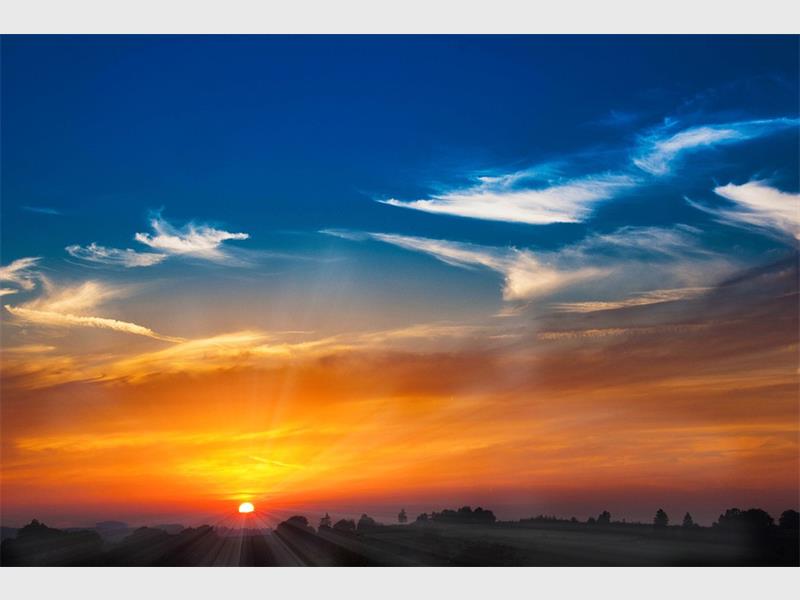
Predicting what the weather for the day might be up to can be as simple as looking up into the sky at the clouds, since clouds are often dead giveaways of upcoming bad weather conditions.
But what do the different cloud formations mean?
There are three main types of clouds, characterised by the way they look, and each brings about different weather.
Cirrus clouds are strings of clouds that resemble hair strands. ‘Cirrus’ is the Latin word for ‘curl of hair’. The water droplets in these clouds are frozen. These clouds usually indicate cold rising winds and point in the direction the wind blows. They appear on cold days. They are often the precursors of unsettled weather conditions and can indicate that a thunderstorm is approaching. This is the best weather to surf, go motorcycling or to spend time outdoors, as the summer heat is often interrupted by cold gusts of wind.

Photo: Pixabay
Stratus clouds are sheet-like clouds that cover the air with a grayish blanket. They form close to the ground, often bringing a slight drizzle or mist to the area they cover. This is the best book reading, binge movie/ tv watching or cuddling weather. Fog is nothing more, or less, than stratus clouds on the ground.

Photo: pixabay
Cumulus clouds are are shaped like cotton-balls. They indicate fair weather and appear when the air on the ground is warm. This is the best picnic weather as the ground temperature is warm and the sun is blocked by a passing cloud every now and then.

Photo: Pixabay
Variations on each of these cloud types exist and adding ‘nimbo’ to the name of the cloud type indicates the variation. ‘Nimbo’ is the Latin word for rain, and often indicates that the clouds will be dark.
Cumulonimbus clouds are more commonly known as thunderstorm clouds. They are dark thick clouds and usually bring with them hail and a large amount of rain. The term silence before the storm was derived from a phenomenon that occurs just before rain falls from a cumulonimbus cloud. Before rain or hail starts falling from these clouds, the wind dies down completely and silence fills the air. Then the cloud breaks and a large storm hits.
Insurance companies often use this phenomenon as an indicator to warn their clients about possible hail damage.
Accas (an acronym for ‘altocumulus castellanus’) clouds are indicators that a thunderstorm could occur later that day. They resemble a sheet of sheep wool that covers the air.
It is also said that the higher the clouds, the less likely it will be to rain. Although there are many factors that affect the weather, clouds provide quite an accurate indication of whether you should take the day off work to finish watching the latest season of Game of Thrones or if you should scurry round preparing your house for hail storms.
Also Read
El Nina and La Nina: Complex weather patterns
Extreme weather conditions expected
Tornadoe’s: Nature’s hardest weather event to predict
Tips for driving in unpredictable weather