
What to do when exposed to a toxic substance
An ammonia spillage in Krugersdorp West could have resulted in an unfortunate incident.
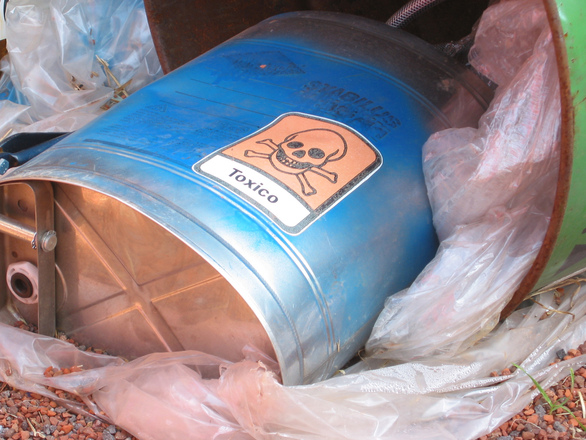
Following the spilling of ammonia in a storm-water drain in Krugersdorp West, the News has compiled some useful information which can help if you ever find yourself in a similar situation.
Exposure and effects of ammonia:
Ammonia is an industrial chemical commonly used as agricultural fertiliser. In gas form, the vapour usually sweeps close to the ground, but can easily rise above knee height as it is a lighter gas than many other substances. The vapour can cause a burning nose, throat and respiratory tract. Exposure to large amounts of the gas causes destruction of the airway resulting in respiratory distress or failure.
Although children may be exposed to the same amount of ammonia as adults, they usually breathe in a larger amount of gas as they are closer to the ground and thus closer to the gas. Their lungs are also larger in comparison to their bodies.
Ammonia vapour can also cause rapid skin or eye irritation. A large amount of ammonia causes severe skin burns. Contact with concentrated ammonia solution (in liquid form) can cause corrosive injuries such as severe skin burns and blindness. Contact with the eyes may not cause immediate blindness, but blindness can occur a week after being exposed. Contact with liquefied ammonia can cause frostbite injuries.
Ingesting ammonia can cause corrosive damage to the mouth, throat, and stomach. Ingestion doesn’t normally result in poisoning.
Ammonium hydroxide causes the death of tissues through disruption of cell membrane lipids (saponification) leading to cellular destruction. As cell proteins break down, water is extracted, resulting in an inflammatory response that causes further damage.
Antidote, cure and treatment:
There is no antidote for ammonia poisoning, but the side effects can be treated. Extensive rinsing with water can decontaminate affected skin and eyes. Ingestion treatments include administration of humidified oxygen, bronchodilators and airway management. Consumption of copious amounts of water and milk can dilute ammonia in the stomach and relieve side effects.
Identification of ammonia:
• Ammonia is a colourless liquid with a foul smell
• At room temperature, ammonia is a colourless, highly irritating gas with a pungent, suffocating odour
• Ammonia is not highly flammable, but containers of ammonia may explode when exposed to high temperatures
• Ammonia’s odour serves as a warning of its presence
• Ammonia gas dissolves easily in water to form ammonium hydroxide
• Ammonia can be in liquid or gas form
• Ammonia interacts immediately upon contact with available moisture in the skin, eyes, oral cavity, and respiratory tract
Related article:
Raw sewage spillage flows into water canals