
If you can read this, there’s someone who cant
Dyslexia is a learning barrier and not a disability, your child can still excel academically despite having learning difficulties.
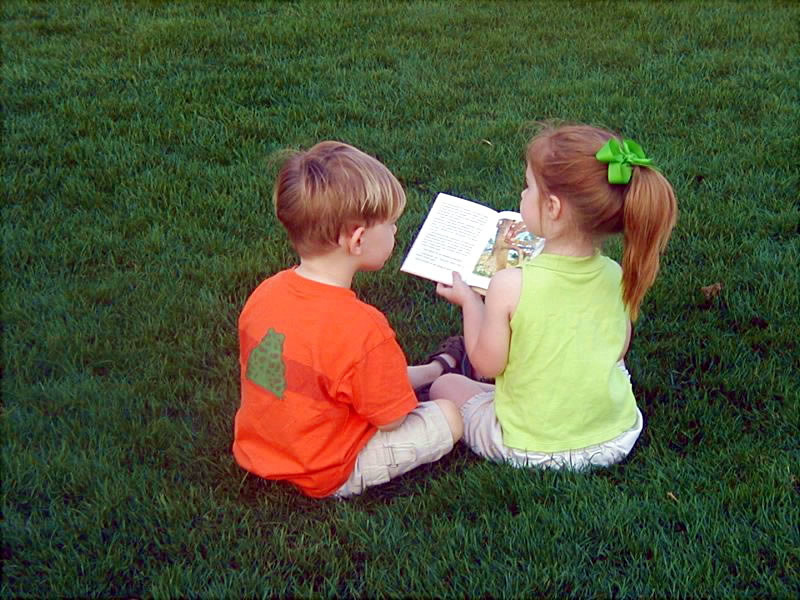
Ask yourself these questions: “What if I couldn’t read this?”
“What if I couldn’t write my own name?” This is a reality many adults are facing because they had learning and reading difficulties that weren’t adequately dealt with when they were young.
Many of us expect our children to learn how to read naturally, without any difficulties. We take it for granted that we can read and write and look down upon those who can’t, instead of giving them a hand up. Reading from a young age opens children up to a different world, but children with reading and learning difficulties need more help to get the same experience.
In order for us to have a nation that leads, we have to start with children who read – and that is why reading difficulties such as dyslexia have to be made a priority.
“The country’s most urgent educational priority is to promote reading and schooling from an early age, as brain sensitivity for the development of children’s foundational language skills is the greatest in the first few years of life,” said Dr Nick Taylor, who is the head of education evaluation and research at the Joint Education Trust.
Susan du Plessis, director of the educational programmes at Edublox, says that there is hope for children who struggle to read. She believes that focusing strongly on the development of reading skills during the foundation phase could be the key to unlocking the learning potential present in all children, including those diagnosed with dyslexia.
“An understanding of the causes of dyslexia can help parents support their children in overcoming it. Reading is not a natural or instinctive process but an acquired skill that must be taught, and parents must remember that learning is a stratified process during which one skill has to be acquired first before it becomes possible to acquire subsequent skills,” she said.
Susan shared the following tips on how parents can help children prevent and overcome reading difficulties:
It is important to provide children with enough opportunities to hear language from infancy. If your child is experiencing problems such as letter reversals, difficulties with letter order, poor comprehension, mispronunciations and poor recall, the best approach is to take immediate action.
Approach a professional reading clinic specialising in cognitive development that focuses on aspects such as concentration, perceptual skills, memory and logical thinking. It often helps to list your observations and concerns before setting up a meeting with an educational practitioner.
Most children look forward to learning to read and do so relatively quickly. But for dyslexic children or slow readers, the experience is very different. For them, reading appears to be beyond their grasp. Parents are advised to be sensitive of the feelings of such children.
However, dyslexia does not spell academic doom for your child – it’s just a learning barrier that can be overcome, not a disability.
Related articles :
Mom’s nomination leads to gold award
Videos: Leer meer oor aandagafleibaarheid