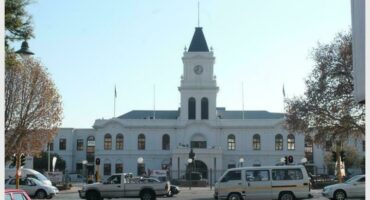
Government housing project just one big sham?
Sanco acknowledges that while there are laws prohibiting the sale of BNG houses, the practice is rife and the law doesn’t bite as hard as it should.

The South African National Civic Organisation (Sanco) was so excited when the Gauteng Department of Human Settlement (GDHS) in conjunction with the Mogale City Local Municipality (MCLM) wished to finalise the registration of the transfers Breaking New Ground (BNG), former Reconstruction and Development Programme (RDP) houses, but was unable to contact the claimants to verify their personal and stand details.
“This means, an occupancy audit was to be done to establish if the original beneficiaries still live in the houses,” Raliphi George Xolelizwe of Sanco said.
Xolelizwe said most exciting for Sanco was when it learnt that the GDHS and MCLM eventually decided to put the week of 24 to 27 October aside to invite the occupants to verify their details. Finally.
But as the dates were not enough for the beneficiaries, Sanco, GDHS and MCLM had to negotiate for an extension.
“Surprisingly, the event took place at Chief Mogale Hall in Kagiso – the area where the BNG (formerly RDP) houses allegedly were leased out to third parties for additional income while the others went back to living in shacks.” The cost of the units range between R60 000 and R300 000.
He stated that some beneficiaries of the free housing are illegally selling the houses “for a song”. The illegal practice is prevalent throughout the country where BNG houses are offered.
“Sanco acknowledges that while there are laws prohibiting the sale of BNG houses, the practice is rife and the law doesn’t bite as hard as it should. The BNG houses are advertised online and on classifieds websites. There are also advertisers who encourage the owners to sell their homes to make money.”
Ward 11 councillor, Jeremiah Molebats Jim said according to the national housing code, the government’s fully subsidised houses, BNG beneficiaries could only sell or alienate their houses eight years after the date of occupation.
“The Civic movement told the soft-spoken councillor that there were owners who continued to sell their homes and move to informal settlement before the stipulated eight years have expired.”
A Kagiso-based estate agent who refused to be named confirmed that some people were selling houses even without title deeds.
“They usually go into an agreement with a buyer who is unaware of the processes buying a house entail. In the end, the unsuspecting buyer would lose out because without a title deed the family may demand to have the house back,” he said.
Jim said the impact of illegally sold houses created a perception that the government is not doing enough to provide houses to the needy.
Read more:
A reminder of the history of the civic organisation
First United Front West Rand regional launch in Roodepoort
Public needs to attend public meetings
‘Will anyone join them defending our vernacular?’
It’s time they get back to the people