
Shortage of paramedics imminent
Some paramedics might not be able to progress as they work because it is not longer an option.
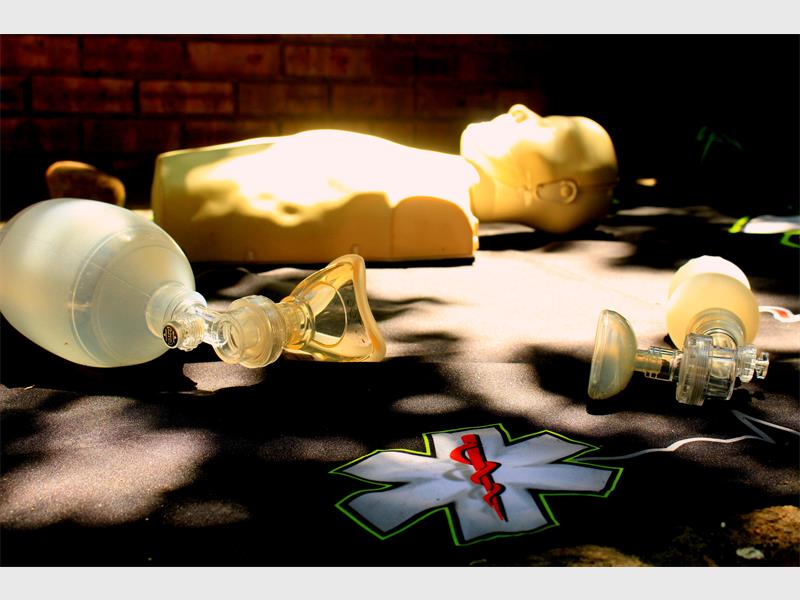
Krugersdorp Paramedics recently expressed their concern about the Department of Health and the Health Professions Council of South Africa’s (HPCSA) decision to terminate all Critical Care Assistant (CCA) and Basic Life Support (BLS) paramedic short courses at the end of 2017.
At the end of 2016, the department signed a document that notified the paramedics that the short courses will be terminated entirely and those who wanted to train for a higher qualification would now have to attend university for four years before they can start their work on an ambulance. All Intermediate Life Support (ILS) courses will also be stopped in 2019.
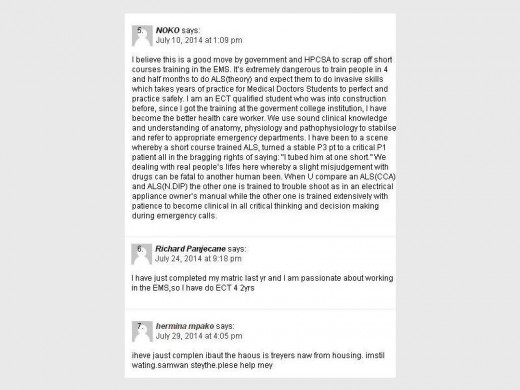
Photo: West Cape News
The main concern the paramedics expressed was that the university qualification could only be obtained every four years, which means that the demand for paramedics would far surpass the supply and the country could face a shortage in 2018.
“The short courses produced trained paramedics every six weeks, feeding the gap made by those who leave the profession,” said Denver Ramnarain, owner of Quick Response Service (QRS) and qualified advanced life support paramedic.
“The universities will now only produce less than 50 students every four years, while the West Rand needs about 100 paramedics every year because of the high staff turnover.”
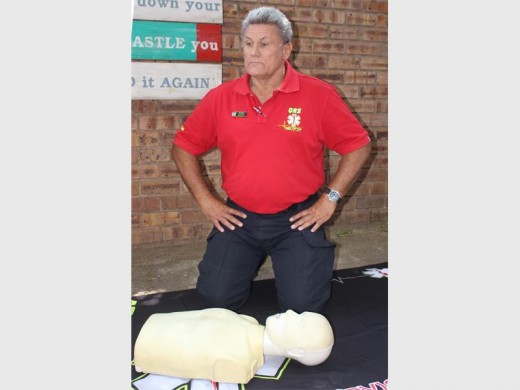
Photo: File Photo/ Bianca Pindral
The universities that offer the paramedic courses only take about 16 to 20 students per year. There are about five universities that offer the paramedic full courses. Therefore in four years universities not necessarily produce enough trained paramedics to fill the staff turnover gap. This is if all of the students graduate. For the West Rand to function adequately, they need 240 paramedics distributed equally between the different ambulance services. There are about 24 ambulances, which need eight full-time paramedics (four ILS paramedics and four BLS paramedics).
Another concern with the cancellation of all short courses is that those who want to study, have to take off four years from work, without income to study for a paramedic and those who have a BLS have to start over because their current qualification is not recognised by universities.
Wian de Beer, ILS paramedic for QRS said his whole plan was to do the short course and then work his way up towards an Advanced Life Support (ALS) paramedic, but now he has to start all over again.
“I’m at the point where I’m unable to do it because no one is offering the course anymore. My only way to do it now is to go to university for four years and start from scratch. It takes all of my experience of five years away. I don’t have the money to take off four years to study.”
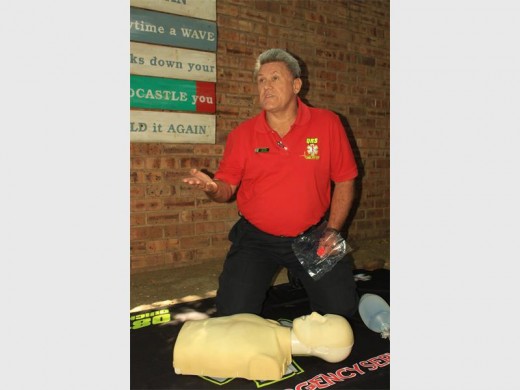
Photo: File Photo/ Bianca Pindral
Rene Schoeman, an BLS for QRS resigned her job to become a paramedic. “Now I’m not able to progress because it’s no longer an option,” said Rene. “I have a 15-year-old daughter to support and can’t take time off work for four years.”
This is not the only concern that Denver has regarding the university courses. He feels the short courses allowed medics to grow within the industry and learn from ground level, while the university route takes students from school and turns them into a paramedic with limited patient exposure.
“What concerns me the most is that the department took a running system and replaced it with a crawling system,” said Denver. “It took the council 10 years to implement new changes to the system – how long will it take before they produce enough to feed the demand? I feel they should have gradually introduced the system, making the grow gradually, instead of cutting the working system completely.”
However, some good things come from the new system. The paramedics who graduate are senior paramedics who are already completely qualified as ALS’ and the courses give the graduate a higher NQF level. Whereas the short courses doesn’t have any NQF levels.
“The future for paramedics are very uncertain, however we have tried to protest the action and it failed. We have to live with it now.”
Here are some of the pros and cons of the courses:
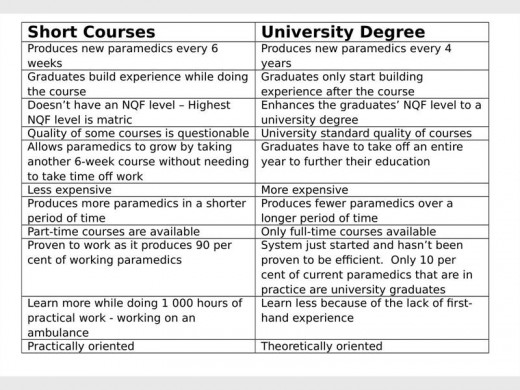
Image: Bianca Pindral
Read more here
Tow truck driver becomes paramedic
What to do when you come across an accident