
Trilogy: What to do when … you are in a car accident
Emergency service numbers, tips and insurance, everything you need to know when involved in a smash.
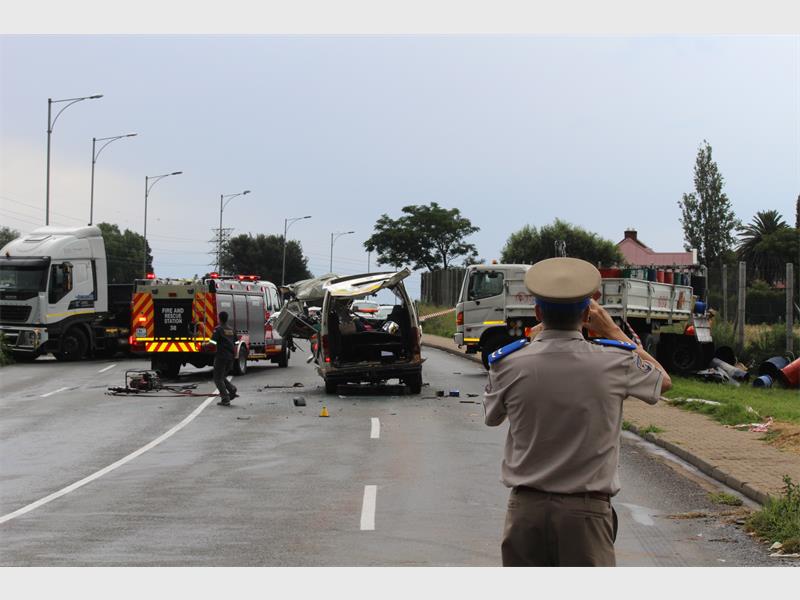
The News has once again decided to start a new series to the benefit of our readers.
This time we want to give the community news that they can use in the future. The series will be called “What to do when …”, and will aid the public by giving them tips on things they can do in certain situations. We would like members of the community to give us suggestions on things they would like to know while dealing with certain kinds of situations, for example, “What to do when a snake bites you”, or “What to do when someone chokes”. The first article in this series is entitled “What to do when … you are in a car accident”.
Before you get on the road, here are a few precautions:
• Insurance: Before you even drive a brand new car off the dealership floor, the company forces you to take out insurance on it. However, Times Live recently revealed that 11,4 million cars on South African roads are still uninsured. This means your chance of colliding with a car that is not insured is incredibly high. This figure does not even include the 800 000 cars that are said to be unroadworthy or unregistered. While car insurance can cost you an arm and a leg, it is much better to drive around with the assurance that you don’t have to sell your organs to buy a new car if someone smashes into yours.
Insurance does not just help you to pay the unsettled crash bills, but might also assist you if the assumed guilty party doesn’t want to pay for damages to your vehicle.
• Simple changes: Some simple inspections and changes can save you from a nasty road accident. On 22 February a prison warden sustained serious injuries after his vehicle suddenly spun out of control. It turned out to be a broken CV joint, which caused the vehicle to spin through 180 degrees and collide with a lamp-post. A simple inspection could have prevented this nasty accident.
Read here: Prison warden injured in serious car crash
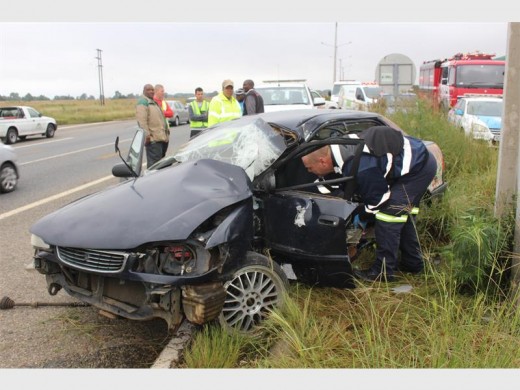
Photo: Bianca Pindral/ File photo
The News’ journalist, Bianca Pindral, was involved in an accident in November 2016, when a trailer dislodged from the bakkie that was towing it, and hit her car on the driver’s side. If the trailer had been hooked up properly, the accident would not have happened. The K53 drivers’ booklet teaches new drivers how to inspect their cars before even getting into them.
Here are some of the tips the K53 gives on pre-driving inspection:
Inspect and recite the following, starting on the right-hand side of the vehicle:
1. No leaks or obstructions under the car.
2. Seat belt and door in working order.
3. Mirror and windshield secure.
4. Wiper-blade unperished.
5. Tyre tread and pressure checked, wheels secure
6. Headlights and bonnet secure.
7. Water, oil, brake fluid and fanbelt checked.
8. Repeat steps 1 to 7 on the left-hand side of the vehicle.
9. Licence disc valid and petrol cap secure.
10. Back window and tail lights secure/ not cracked, boot securely closed.
11. Back door and tyres, same as before.
Keep emergency numbers nearby
Emergency contact numbers are not just the usual 911 contact details, but also CPF, area specific ambulance services and traffic police numbers. Here is a list of the Krugersdorp area’s numbers:
• Ambulance services:
QRS: 0812 777 777
HELP24: 071 360 3764
Netcare911: 082 911
Emer-G-Med: 0861 007 911 (outside of Krugersdorp/ Johannesburg only)
Vodacom and MTN emergency number: 112 (takes longer because it is a countrywide service)
• Krugersdorp hospitals casualty room numbers:
Netcare Pinehaven Hospital: 011 950 5505/06/07
Netcare Krugersdorp Hospital: 011 951 0201
Dr Yusuf Dadoo State Hospital: 011 951 6000
Leratong State Hospital: 011 411 3500/ 011 411 3551
Traffic Police: 011 951 3000
Krugersdorp Police: 011 951 1111 (Police only attend scenes where people have died)
Get Medical Aid!
It may seem like a waste of money, but when you are lying in casualty, covered in injuries and bleeding internally, that few hundred bucks a month could have saved your life. Ambulance services don’t take you to private hospitals if you don’t have medical aid – they take you to state hospitals and their casualty fatality rates are much higher than those of private hospitals.
Also, if paramedics do take you to a private hospital upon request, you have to pay a substantial amount of money before doctors at the hospital even look at you or take an x-ray.
Arrive Alive also suggested that you have the following three things with you at all times:
• Always carrying your ID or driver’s licence with you.
• Always have your medical aid card on you, whenever practical.
• Use your medical aid sticker to identify your vehicle.
For more helpful information visit https://www.arrivealive.co.za/Medical-Aid-Accident-and-Hospital-Admission.
Be sure to visit the News’ tomorrow for part 2 of this trilogy.
Read more:
Put tyre safety on your summer checklists
1 480 tyres inspected in four hours
Six must-read guidelines for safe driving
Top 10 summer travel trips to avoid roadside breakdowns