
Trilogy part 3: What to do when… you are in a car accident
Emergency service numbers, tips and insurance, everything you need to know when involved in a smash.
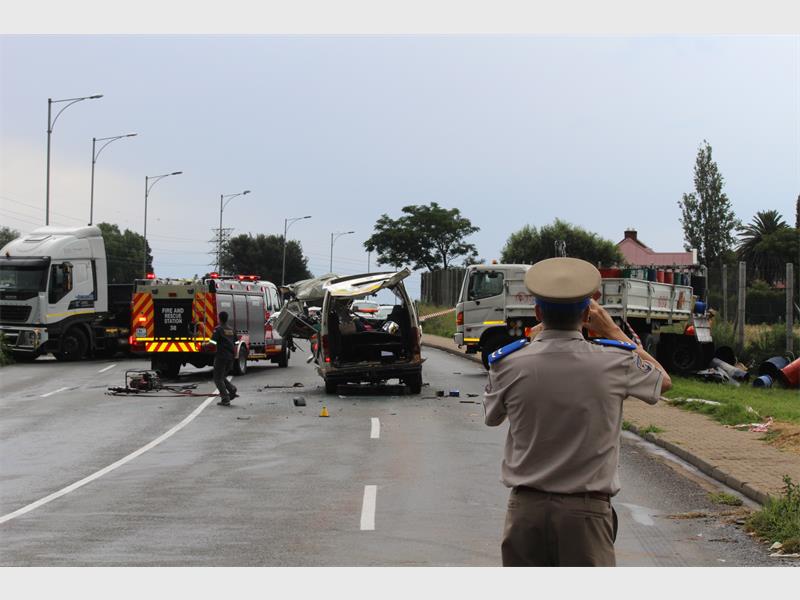
Part 3 of the News’ What to do when … trilogy deals with what needs to happen, and who is to blame, after being involved in an accident.
Click here in case you missed part 1 and part 2.
Photo: Bianca Pindral/ File photo
What to do after the accident happened:
If you are not taken to a hospital, and if you are not injured badly, go to the nearest police station as soon as possible. Although it might seem useless to open a case, it is highly beneficial for you when dealing with insurance claims and court cases.
You will have 24 hours to open a case at the police station. Even if officers do not investigate the accident, the case number is of great importance as it serves as evidence in court if you are sued.
Never consume strong narcotics or alcohol within 24 hours after the accident. The police might request drug or alcohol tests and might deem you to have been under the influence, even if you took the substance after the accident. The better alternative would be to get stress/ trauma relieving medicine or injections from a doctor, but keep the prescription or proof of the injection with you.
Contact your insurance broker or company as soon as possible and inform them about the accident. Send the photographic evidence, contact details of the other party, case number and all other details to them.
After this, it is up to the insurer to fight against the other party’s insurer to pay for the damages to the vehicles. You don’t have to contact the other party at all.
Who is to blame?
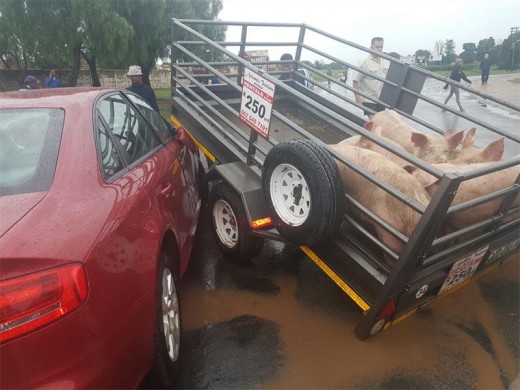
There is no simple answer to this question; however, Arrive Alive defines it in a very simple way –as apportionment of blame. After all the facts of the incident are made clear, the percentage of blame of each party is determined.
For example: if party one was negligent, as in the case where the trailer was not hooked up properly, that driver would be 90 per cent at fault, while the other party would only be 10 per cent at fault, depending on the circumstances.
The percentage of fault is important because it determines who will be liable to pay what percentage of damages.
However, when going to court, remember that a very small number of accidents are investigated or scrutinised in the finest details, unless they involve major casualties (five or more deaths). These accidents will be analysed on scene by investigation teams.
Read more:
Top tips for rainy weather driving
When thick mist descends over Krugersdorp – drive with caution
These road safety campaigns will make you think