[PART 4] Meeting Homo naledi
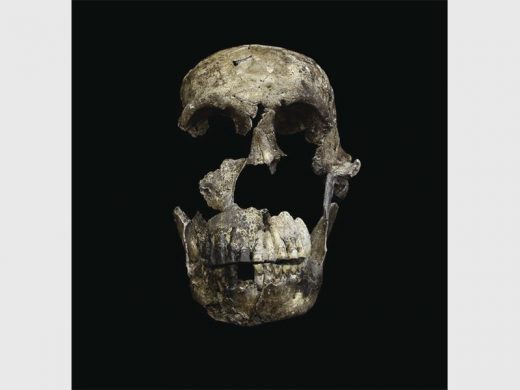
“The skeleton of Neo is one the most complete ever discovered."
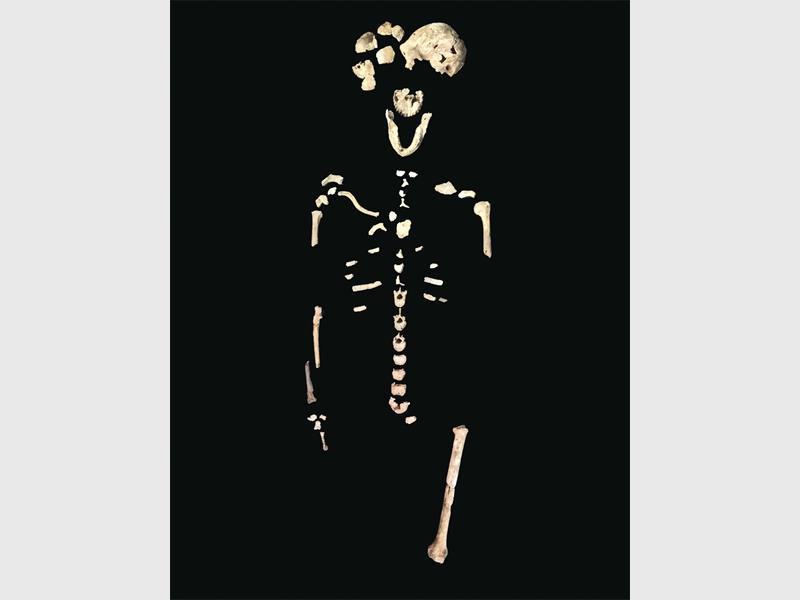
Following on from yesterday’s news about Homo naledi’s significant impact on our interpretation of archaeological assemblages and understanding which species made them, the team describes the skull of the skeleton as “spectacularly complete”.
To read PARTS 1, 2 and 3, click here:
New questions emerge from Homo naledi’s young age
Homo naledi: How old is it really
Homo naledi’s significant impact
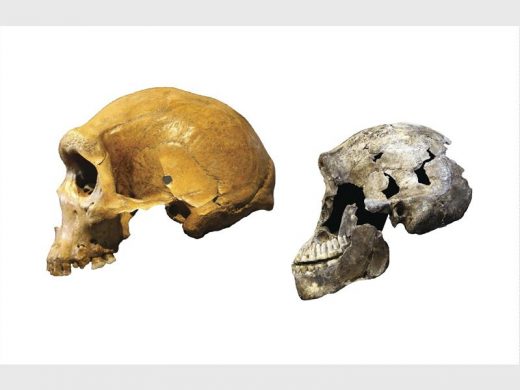
“We finally get a look at the face of Homo naledi,” said Peter Schmid of the Universities of the Witwatersrand (Wits) and Zurich, who spent hundreds of hours painstakingly reconstructing the fragile bones to complete the reconstruction.
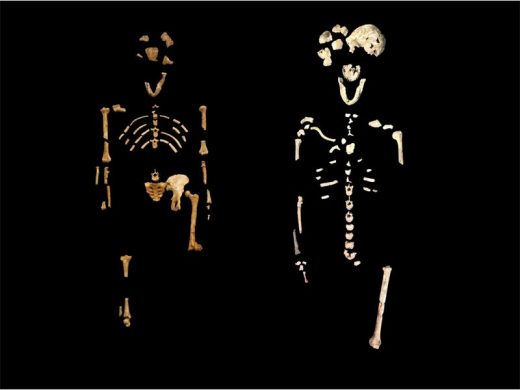
The skeleton was nicknamed “Neo” by the team, chosen for the Sesotho word meaning “a gift”. “The skeleton of Neo is one of the most complete ever discovered, and technically even more complete than the famous Lucy fossil, given the preservation of the skull and mandible,” said Wits professor Lee Berger
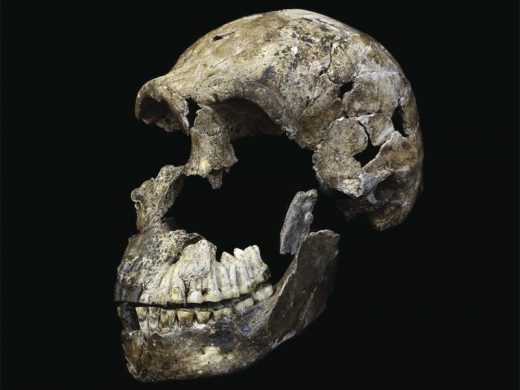
The specimens from the Lesedi Chamber are nearly identical in every way to those from the Dinaledi Chamber, a remarkable finding in and of itself.
“There is no doubt that they belong to the same species,” said John Hawks, also from Wits.
The Lesedi Chamber fossils have not been dated yet, as dating would require destruction of some of the hominin material. “Once described, we will look at the way forward for establishing the age of these particular fossils,” said Paul Dirks, from the James Cook University in Australia. Dr Marina Elliot, also from Wits, added that as the preservation and condition of the finds are practically identical to those of the Homo naledi specimens from the Dinaledi Chamber, the team hypothesises that they will be found to be of roughly the same period.
Berger believes that with thousands of fossils probably still in both the Lesedi and Dinaledi Chambers, there are decades of research potential. “We are going to treat ongoing extraction of material from both of these chambers with extreme care and thoughtfulness and with the full knowledge that we need to conserve material for future generations of scientists, and future technological innovations,” he said.
52 scientists from 35 departments and institutions were involved in the research.
Wits Vice-Chancellor and Principal, Professor Adam Habib said: “The search for human origins on the continent of Africa began at Wits and it is wonderful to see this legacy continue with such important discoveries”.
“The National Geographic Society has a long history of investing in bold people and transformative ideas,” said Gary E. Knell, president and CEO of the National Geographic Society, a funder of the expeditions that recovered the fossils and established their age.
“The continued discoveries from Lee Berger and his colleagues showcase why it is critical to support the study of our human origins and other pressing scientific questions.”
Click here to view the full gallery
Do you perhaps have more information pertaining to this story? Email us at krugersdorpnews@caxton.co.za or phone us on 011 955 1130.
For free daily local news on the West Rand, also visit our sister websites:
Remember to visit our Facebook, Twitter and Instagram pages to let your voice be heard!