
What you need to know about Antarctica’s split iceberg
Larsen C, a floating platform of glacial ice on the east side of the Antarctic Peninsula, is the fourth largest ice shelf ringing Earth’s southernmost continent.
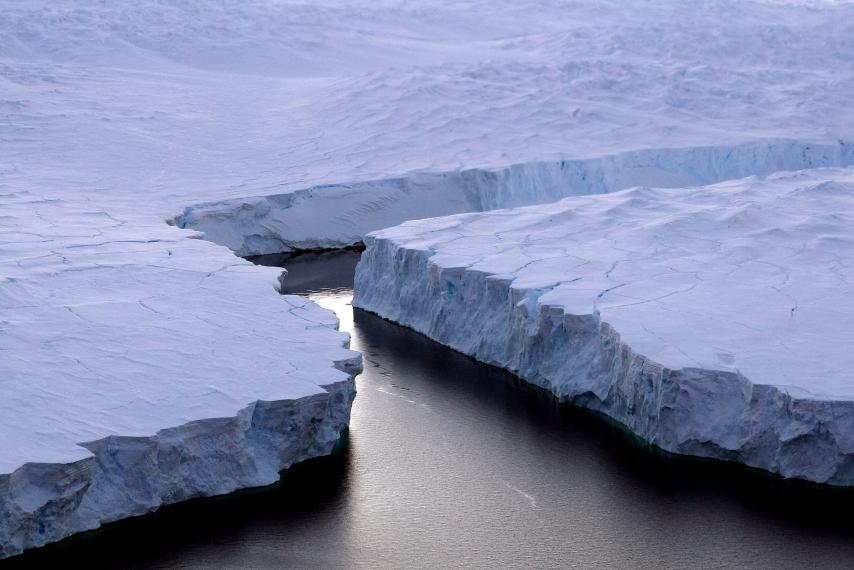
Sometime between Monday, 10 July and Wednesday, 12 July, an iceberg about a quarter of the size of the Kruger National Park split off from Antarctica’s Larsen C ice shelf.
According to Maria-Jose Viñas, a member of Nasa’s Earth Science News Team, this event was captured by one of Nasa’s Aqua satellites and confirmed by relevant joint instruments.
Read more here: Massive iceberg breaks off from Antartica
Larsen C, a floating platform of glacial ice on the east side of the Antarctic Peninsula, is the fourth largest ice shelf ringing Earth’s southernmost continent. In 2014, a crack that had been slowly growing in the ice shelf for decades suddenly started to spread northwards, creating the nascent iceberg.
Now that the close to 5 800 square kilometres chunk of ice has broken away, the Larsen C shelf area has shrunk by approximately 10 per cent.
While a direct connection hasn’t been made between the rift on Larsen C and the warming climate, it may be linked to warmer ocean waters eating away at the base of the shelf.
The United States National Ice Center will monitor the trajectory of the new iceberg, which is likely to be named A 68. The currents around Antarctica generally dictate the path that the icebergs follow. This iceberg will most likely drift north along the coast of the Peninsula, then northeast into the South Atlantic.
Do you perhaps have more information pertaining to this story? Email us at krugersdorpnews@caxton.co.za or phone us on 011 955 1130.
For free daily local news on the West Rand, also visit our sister websites:
Remember to visit our Facebook, Twitter and Instagram pages to let your voice be heard!