
Muldersdrift mothers learn the value of breastfeeding
The Department of Health recommends exclusive breastfeeding for the first six months of life, stating that no other food or liquid, not even water, is needed during this period.
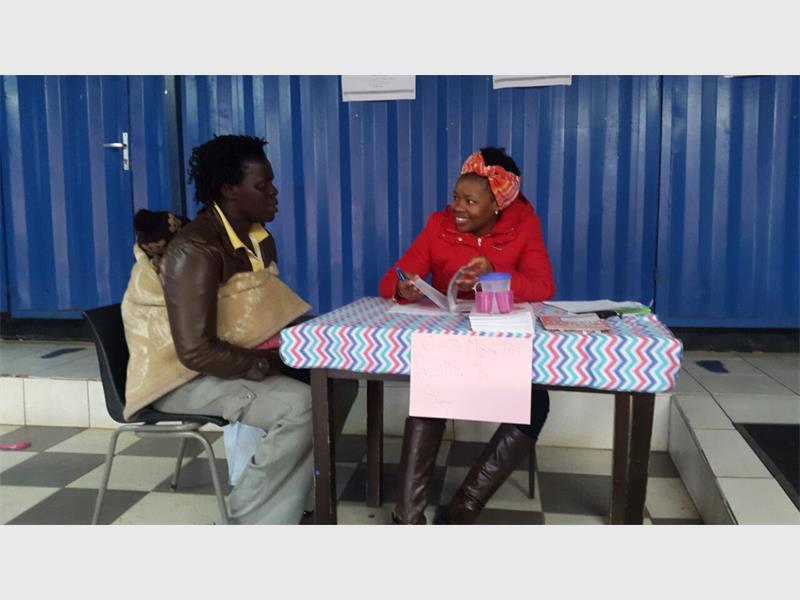
Breastfeeding Week is commemorated globally from 1 to 7 August, and Muldersdrift mothers highlighted its significance.
Breastfeeding is the first source of food an infant is introduced to in life. It is regarded by health experts as the healthiest for babies as a solid body of evidence shows that breast milk incorporates antibodies that protect babies from diarrhea, and respiratory, ear and urinary tract infections, among other childhood diseases.
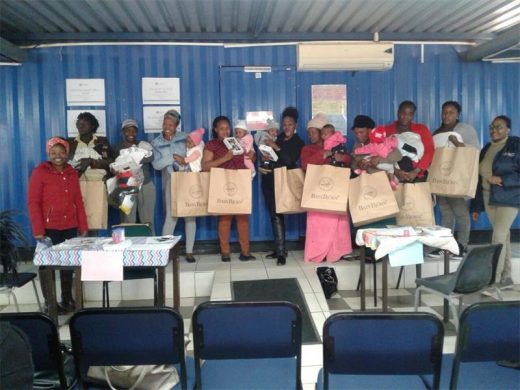
Breastfeeding is a critical first step on a child’s path to a healthy future. According to the World Health Organisation, those who were breastfed when they were babies are less likely to be overweight and develop Type 2 diabetes later in life.
On Friday, 4 August, the West Rand Health District celebrated breastfeeding week activities at the Muldersdrift Clinic in line with the theme ‘Breastfeeding at work – Let’s make it work’. Health promoters and dietitians ensured that education, songs and role-play took place. Pamphlets on the importance of breastfeeding, milk expression and storage were distributed.
Dietitian Achsa Leolo said most working women do not receive adequate maternity protection and often going back to work is a barrier to continued breastfeeding due to long periods of separation from their babies.
“Women need to be supported to continue breastfeeding when they return to work and everyone should work together to ensure that they receive support,” said Achsa.
Health Minister, Dr Aaron Motsoaledi, called on all communities, employers and family members to support breastfeeding mothers by enabling an environment in which they can breastfeed their babies.
“Breastfeeding is a human right, not just a woman’s issue or the sole responsibility of a woman, and the promotion and support of breastfeeding is a collective societal responsibility,” said Dr Motsoaledi.
The World Health Organisation noted that women are faced with conditions making it difficult to breastfeed, but continues to recommend that mothers breastfeed for at least six months to two years, or longer.
Do you perhaps have more information pertaining to this story? Email us at krugersdorpnews@caxton.co.za or phone us on 011 955 1130.
For free daily local news on the West Rand, also visit our sister websites:
Remember to visit our Facebook, Twitter and Instagram pages to let your voice be heard!