
Two separate quad bike accidents on one day
In one accident a male driver sustained serious injuries, in the other a motorcycle part impaled the female rider.
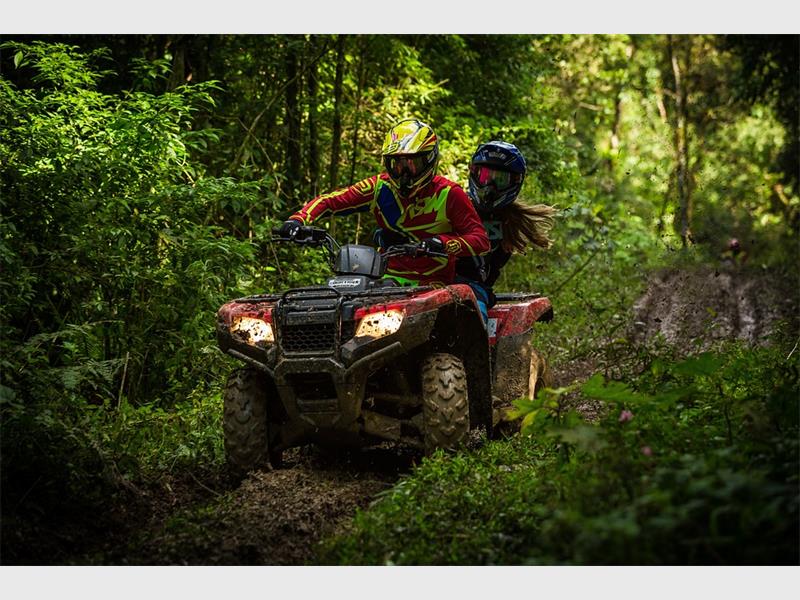
On Sunday, 26 November 2017, the Netcare 911 Flight Desk was contacted twice with requests for the Helicopter Emergency Medical Service (Hems) to be sent to two separate quad bike crashes.
The first accident happened at about 1pm, when Hems was contacted about a 29-year-old male who sustained very serious injuries to his lower body in a quad bike crash in Lanseria. Once stabilised at the scene, the man was airlifted to a trauma unit in Johannesburg for the specialist care that he required
The second accident happened at about 2.55pm, this time in the Rayton area outside Pretoria. Reports from the scene alleged that the quad had overturned, impaling its 40-year-old female driver with a protruding part. Netcare 911 paramedics had stabilised the patient and administered pain medication prior to the arrival of the helicopter. The patient was then airlifted to a specialist Trauma Unit in Johannesburg for surgical intervention.
Also Read: Men in blue on bikes of red
“As the holiday season approaches, we encourage outdoor enthusiasts to take the necessary precautions and wear certified activity-specific helmets for skateboarding, motor sports, cycling, and climbing, and the recommended protective clothing for water and motor sports,” said Nick Dollman, spokesperson for Netcare 911.
Arrive Alive has provided an incredibly useful and comprehensive list of things to do to ensure your safety before and during riding, as follows:
Pre-ride checklist:
A proper pre-ride inspection will ensure that everything on the machine is adjusted and working properly to prevent a breakdown or even an accident. Take the time and check the following:
• Tyres: Always maintain proper pressure in the tyres and ensure that all tyres are inflated to the same pressure. If the pressure in a tyre is not the same as the tyre opposite it, the vehicle may be difficult to maneuver. Use a pressure gauge capable of reading low pressures accurately. Also check for wear and visible damage.
• Wheels: Make sure axle nuts are tight, secured and that none are missing. Riding on rough terrain may cause nuts and bolts to loosen. While the engine is off, check for loose nuts or bolts.
• Brakes: Check the brake operation – footbrakes and handbrakes. Check the cables and linkages to ensure they are moving smoothly. The controls should be positioned so that they are easy to reach and use.
• Throttle: The throttle should operate smoothly in all steering positions and snap back to the idle position when released. Make sure that turning the handlebars from left to right has no effect on throttle operation. If it does, adjustments should be made immediately.
• Seats/ Carriers: Check the security of seats/ carriers
• Lights and Switches: The ignition switch should be functioning properly before riding. The kill switch should be working properly because it could prevent an accident. Also check the warning lights. All lights must be working when riding at night, but they also make riding during the day safer.
• Clutch: Check the clutch (if manual), for smooth and positive operation.
• Oil and fuel: While the engine is off, check the oil level. An engine cannot operate for long without oil. Always check fuel level before starting a long ride. Make sure that there are no fuel or oil leaks.
• Chain or drive shaft: Check the chain for proper adjustment and lubrication. Also check for improper wear. If the ATV has a drive shaft instead of a chain, make sure it has the correct amount of oil and does not leak.
• Tool kit: Make sure the vehicle is equipped with a complete tool kit, as supplied by the manufacturer.
Planning for emergency situations:
• Ride with others – never alone!
• Know the location’s details before they are needed in an emergency.
• Ensure that a designated and responsible person knows the suitable emergency contact procedures.
• Carry a cellphone and consider GPS equipment
• Ensure the operators can provide the emergency services with enough detail for them to be found if there is an accident, e.g. the grid reference, the distance from the main road, the type of access (suitable for car/ four-wheel drive/ emergency services)
• Carry a safety kit that includes flares, a flashlight, compass, blanket, matches and a sounding device.
Route planning:
Planning your route will go a long way towards ensuring the safety of drivers:
• Plan your route to avoid severe slopes and unstable ground conditions.
• Plan regular routes to avoid rocks, stumps, drainage ditches and steep slopes.
• Always survey deep vegetation to identify hidden obstructions.
• Drainage ditches should be piped or bridged on regular routes. Thatch soft spots where necessary.
• Luminous marker posts may be used on permanent routes to help the operator in poor weather or poor light.
• Remove the lower branches of trees on regular routes.
Personal protective equipment:
The correct protective equipment is required:
• Suitable head protection must be worn – the helmet is the most important piece of protective gear for safe riding. It should fit snugly and be securely fastened.
• Eye protection (a visor or safety glasses) should provide protection against flying insects, dust or branches. Sunglasses are not safety goggles and do not provide adequate eye protection. The eye protection should not block the vision of the driver.
• Protective boots with good grip and ankle support must protect the feet of the driver. Never ride barefoot – leather high-top boots with heels to prevent the feet from slipping of the footrests are recommended.
• Gloves protect your hands, provide a better grip, and help you control and handle the vehicle. Gloves also prevent fatigue from vibration, scratches from brush, and protection from cold weather. Off-road type gloves, which have padding over the knuckles, offer the most protection.
• Wear non-snag long pants and long-sleeved shirts that will prevent scratches from bushes. The use of high-visibility clothing may also be appropriate. Serious riders should wear off-road racing gear [ballistic jacket] that has padded areas at the knees, elbows, and shoulders.
• A chest protector is also advised.
For more quad bike safety tips, visit https://www.arrivealive.co.za/Quad-Bikes-Safety
Do you perhaps have more information pertaining to this story? Email us at krugersdorpnews@caxton.co.za or phone us on 011 955 1130.
For free daily local news on the West Rand, also visit our sister websites:
Remember to visit our Facebook, Twitter and Instagram pages to let your voice be heard!